

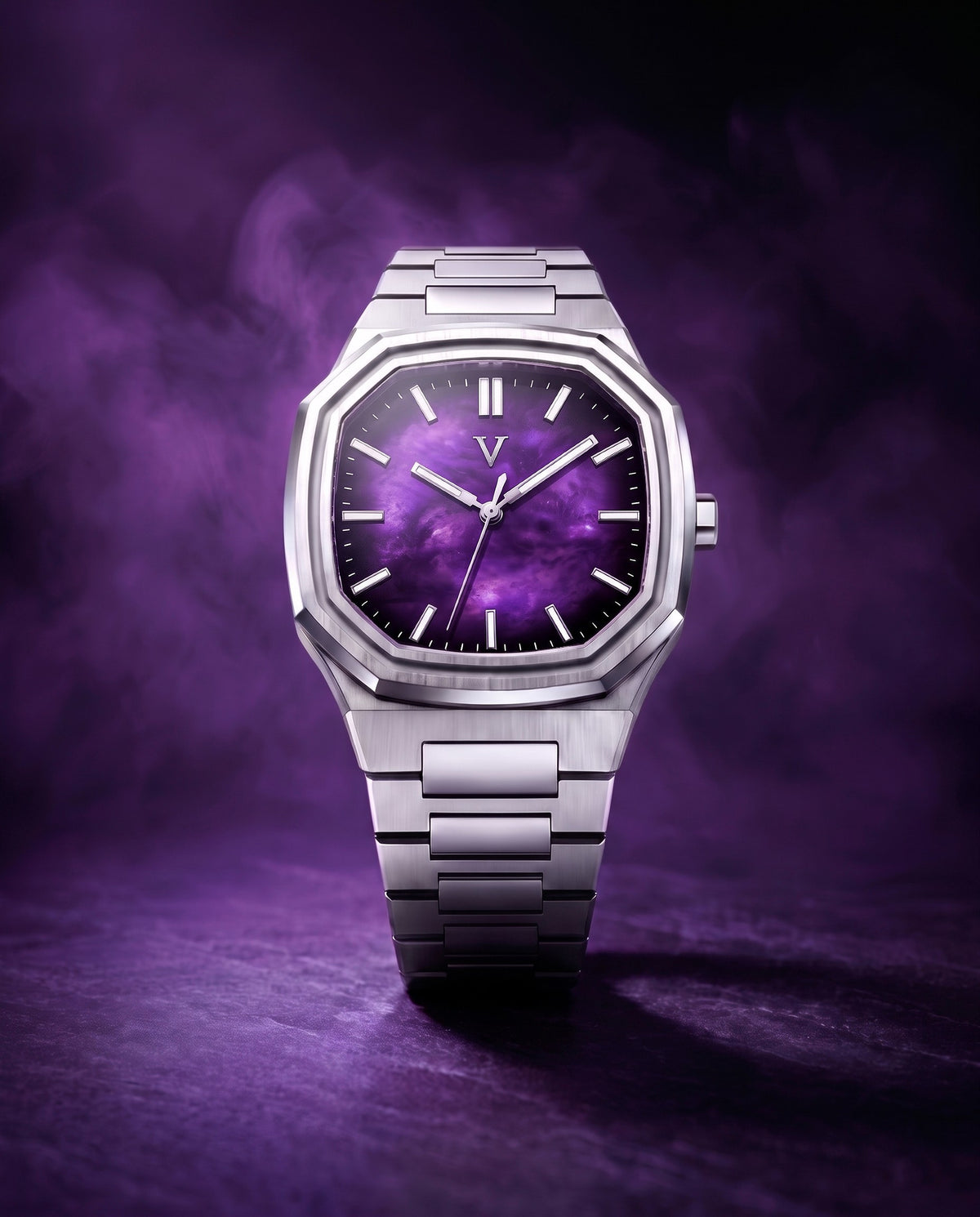

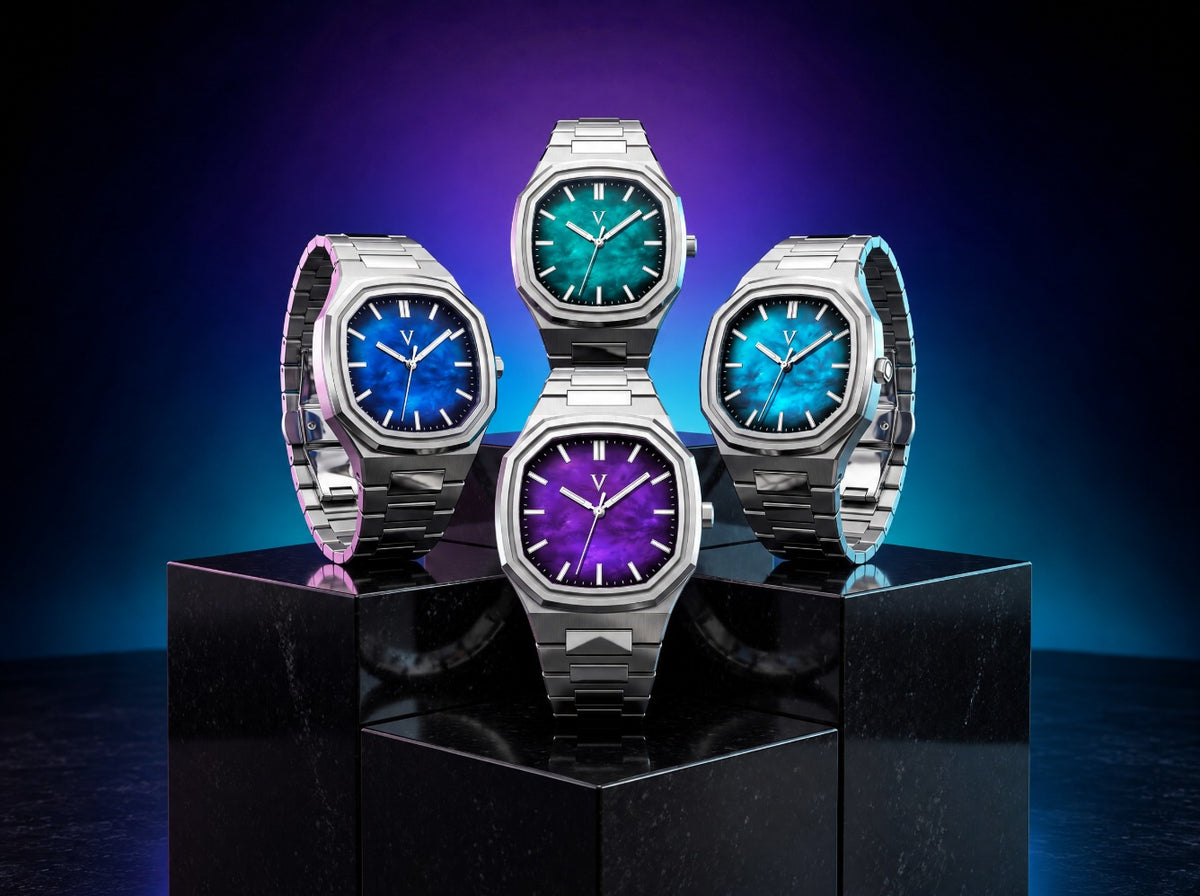



316L Surgical Steel. Why It's the Only Grade We Use.
THE STEEL THAT EARNS ITS PLACE
NOT ALL STEEL
IS EQUAL
316L surgical-grade steel is the baseline at Valusis. Here's what that means — and why it matters in 3 years, not just day one.
 SEE THE COLLECTION
THE GRADES OF STEEL
Stainless steel comes in dozens of grades. The most common in budget watches is 304 — widely available, inexpensive, and adequate for light use. It tarnishes under sweat and salt water. It scratches faster and holds a polish for months, not years.

316L is the next level. The 'L' indicates low carbon content, which increases corrosion resistance and makes it fully hypoallergenic. It's the grade used in medical implants, food processing equipment, and marine hardware.

WHAT THIS MEANS FOR YOUR WATCH
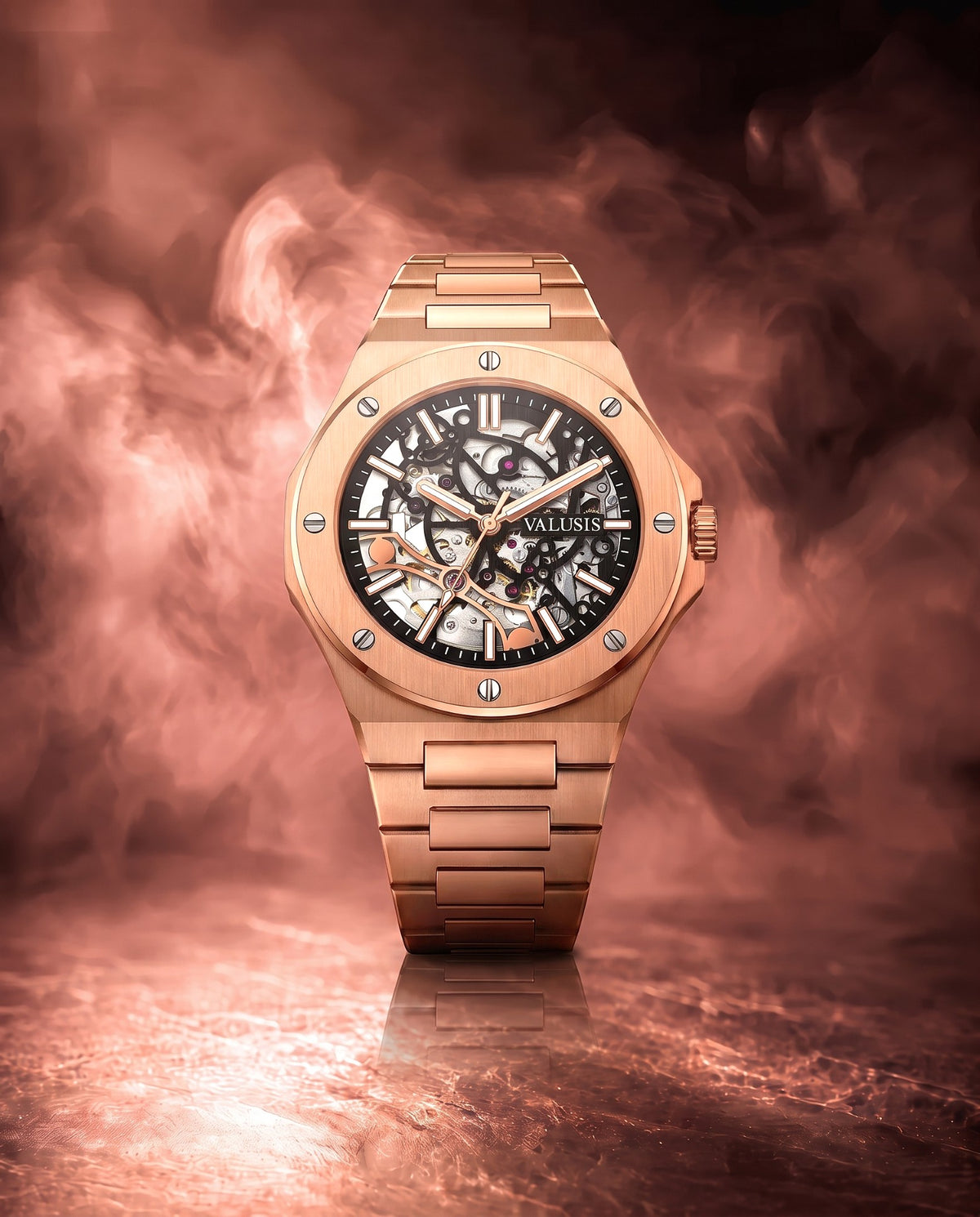
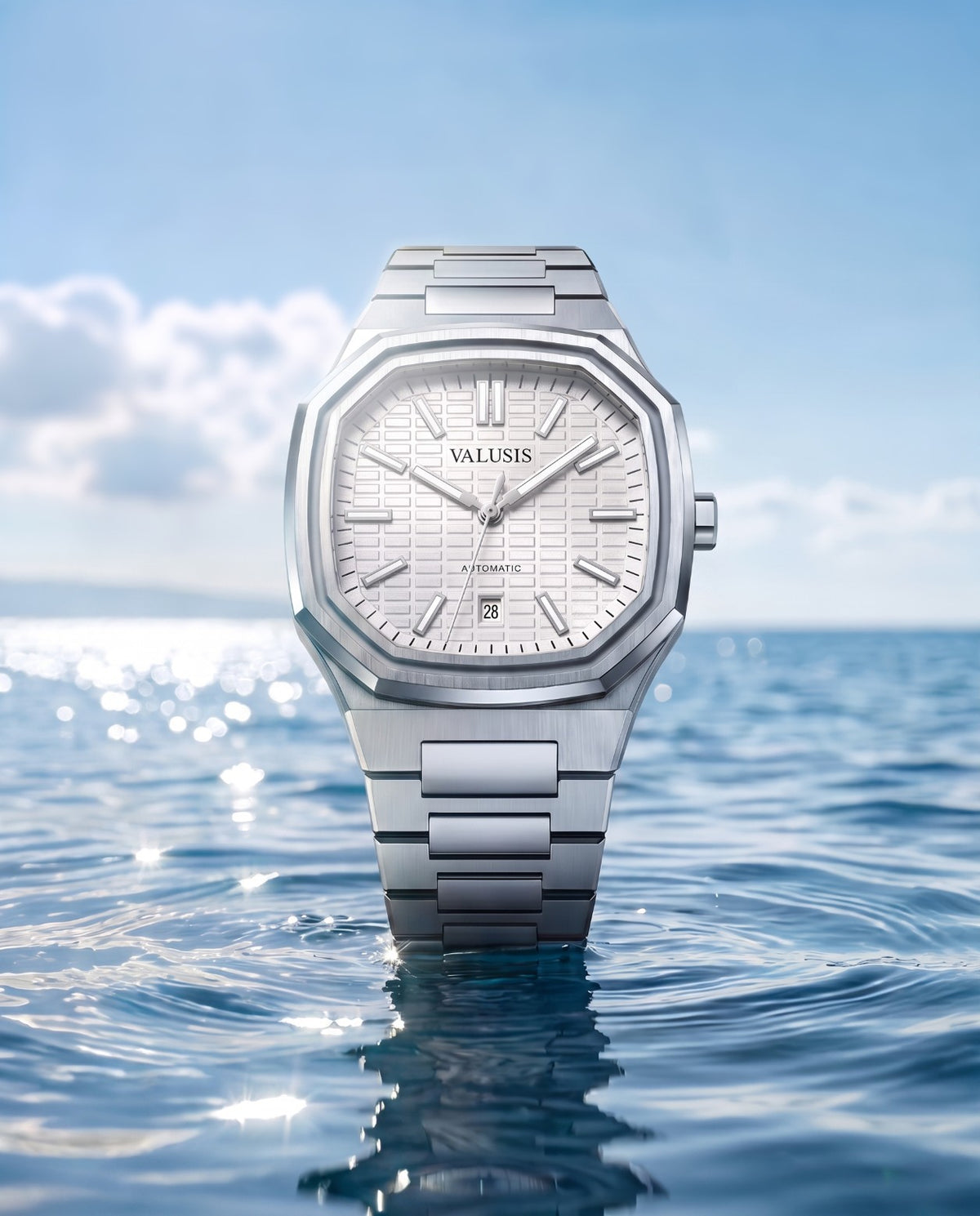
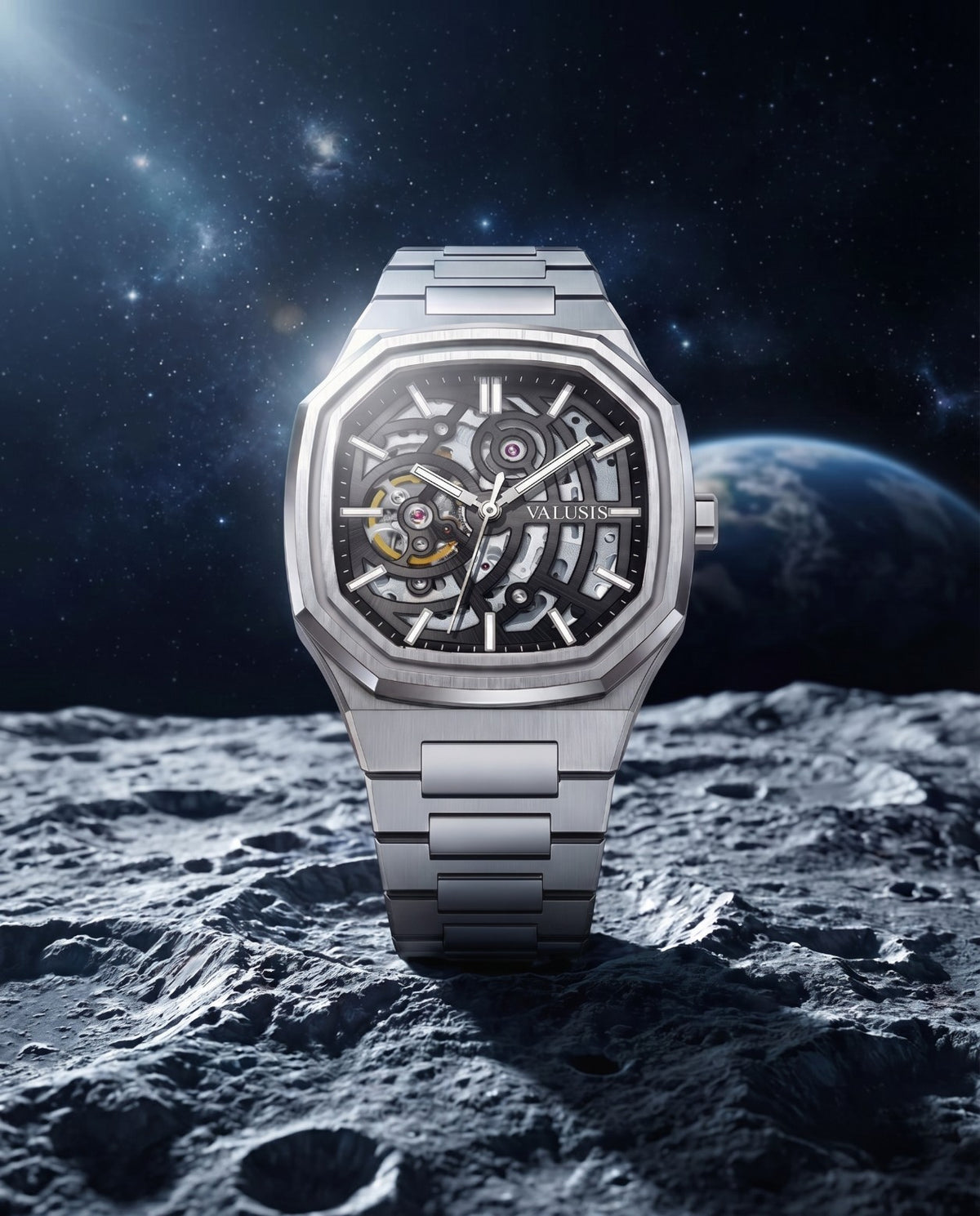
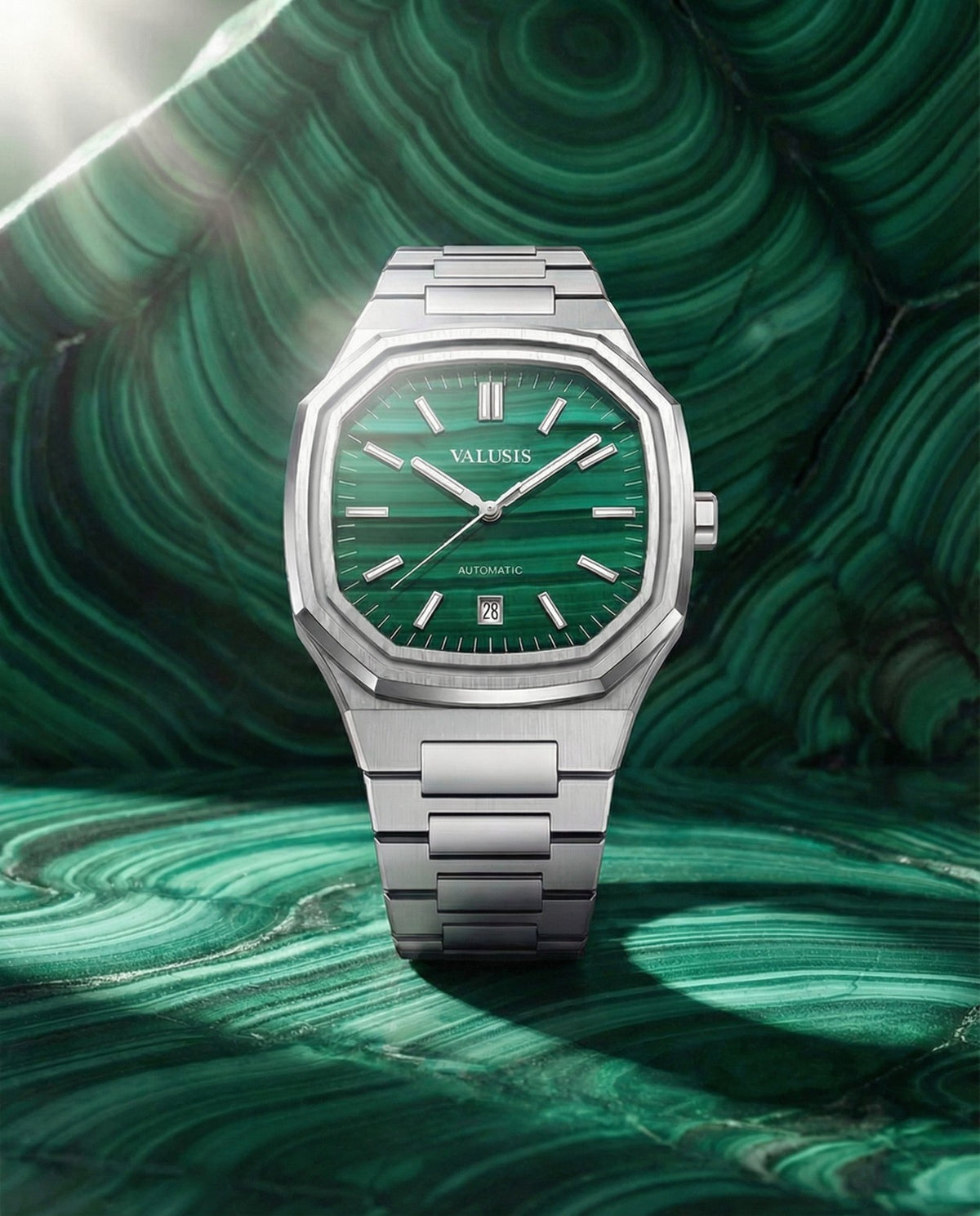
A 316L case and bracelet will look better after two years of daily wear than a 304 case will after six months. The polish holds longer. The brushed finish resists micro-scratches better. Sweat, water, and sunscreen don't degrade it.

This isn't visible on day one. It shows itself over time — which is exactly the point. A watch built to last needs materials built to last.

CASE AND BRACELET — SAME SPECIFICATION
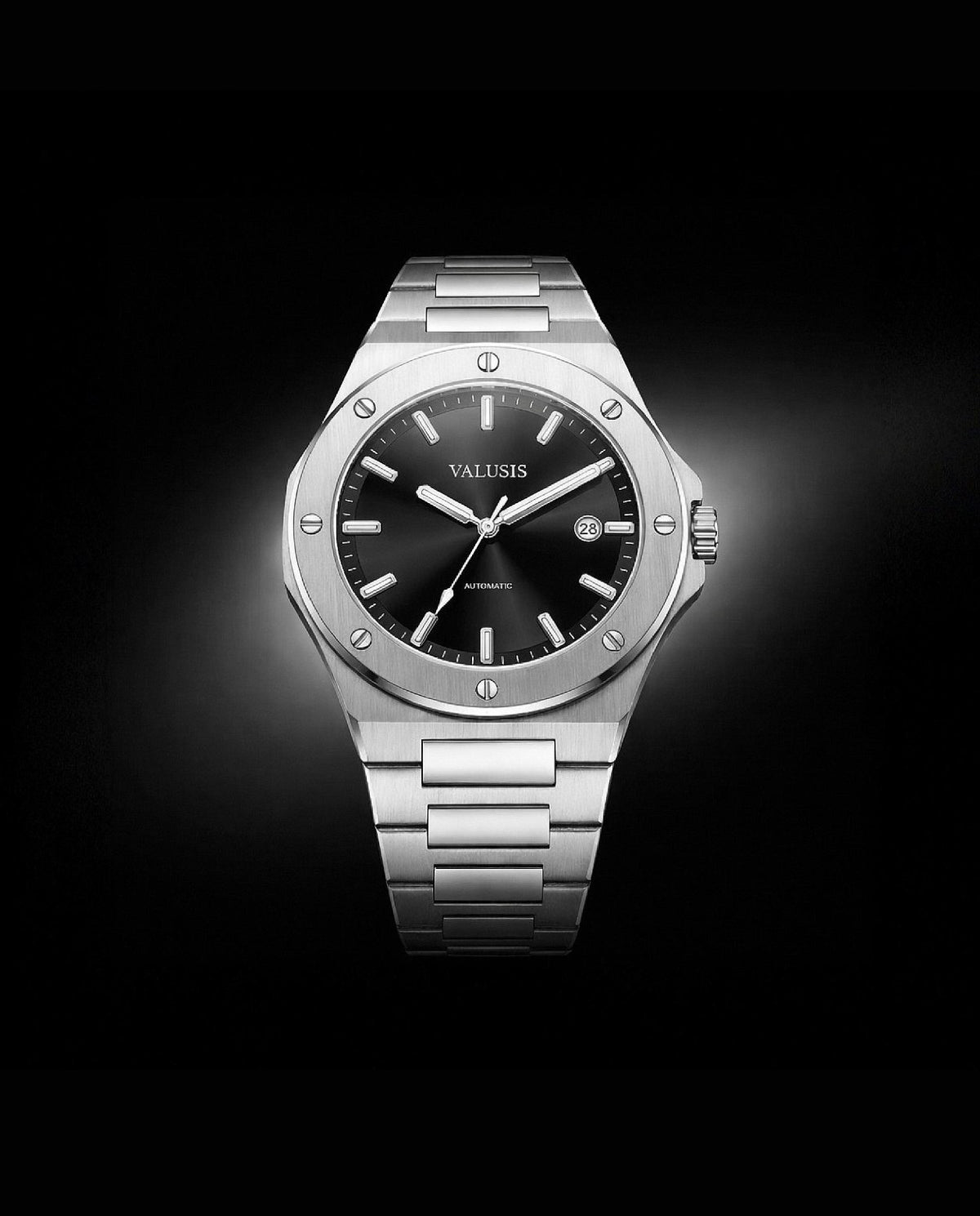
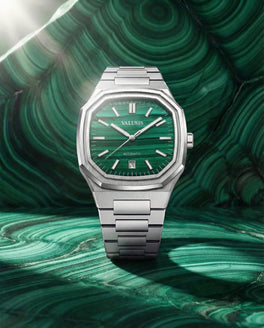
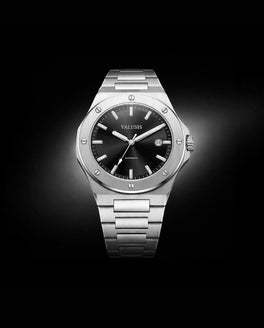
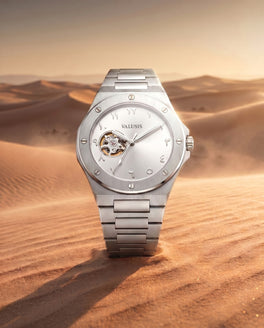
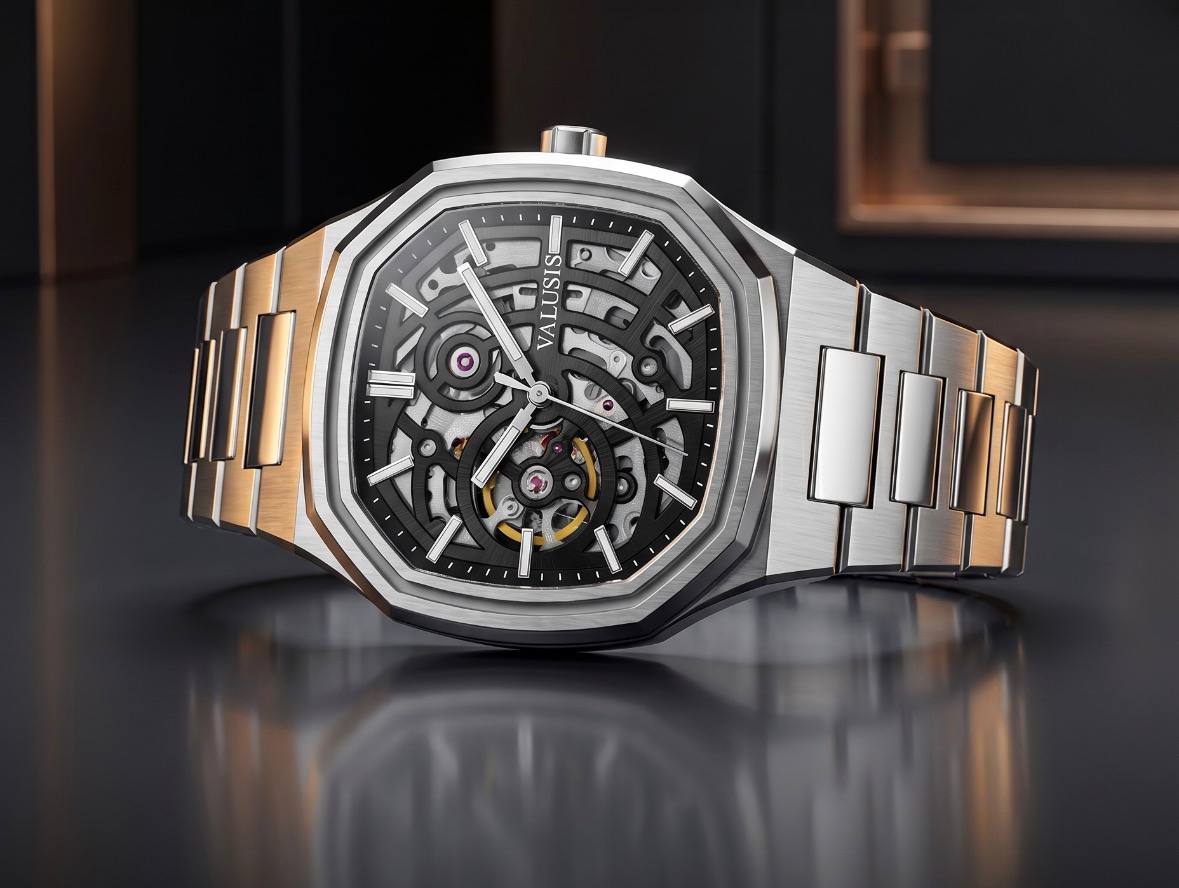
Some brands use 316L for the case and a cheaper alloy for the bracelet, where it's harder to check. Valusis uses 316L throughout — case, bracelet, and clasp. Consistent specification, not selective marketing.

The alternating brushed and polished finish on every link is applied after forming — not before. That's why the finish is consistent even on complex curved surfaces.

THE LONG GAME
Most fashion watches are designed to look good in the first 90 days. Valusis is designed to look good in year three. The steel grade is part of that commitment.

You're not paying for the name on the dial. You're paying for what the watch is made of. That's the only calculation that holds up over time.
