





The Watch Paradox: Why Cheap Watches Make You Look Poorer Than No Watch at All
The Watch Paradox: An Uncomfortable Truth About Cheap Timepieces
Here is a proposition that makes most people pause when they first encounter it: wearing a visibly cheap watch makes a worse impression than wearing no watch at all.
At first glance, this seems counterintuitive. Surely any watch is better than nothing? Surely the gesture of wearing a watch — of caring enough about time and presentation to put something on your wrist — counts for something?

In reality, the answer is more complex — and the implications for how you approach your next watch purchase are significant.
Why No Watch Beats a Bad Watch
The absence of a watch is neutral. It communicates nothing in particular about your taste, your spending habits, or your relationship with quality. In most social and professional contexts, wearing no watch is simply unremarkable.
A visibly cheap watch, however, communicates actively. It tells people who notice: this person chose to signal an interest in watches but prioritised cost over quality. This person wanted the look of something without the substance. This person either does not know what good looks like, or does know but made a compromise that shows. In social and professional settings where people notice — and many more people notice than you might think — this is a worse signal than no signal at all.
The Commodity Trap
The fashion watch industry has thrived for decades on the promise that you can signal quality without paying for quality. A recognisable brand name at an accessible price point, a design that references genuine luxury — this is the business model of DW, MVMT, Vincero, and dozens of similar brands. And for buyers who understand the trade-off, there is nothing dishonest about it.
"A cheap watch does not signal thrift — it signals an inability to recognise quality, which is a far more damaging impression to make."
The problem arises when buyers who want to appear sophisticated end up appearing the opposite — because the knowledgeable people whose opinions most matter can see immediately that the watch is quartz, that the crystal is mineral, that the brand is a marketing creation rather than a watchmaking heritage. The attempt to project quality without paying for quality is, in these circles, immediately visible.

The Better Approach: One Good Watch Over Many Cheap Ones
The most intelligent approach to watch buying — the one that actually achieves the goals most buyers are unconsciously pursuing — is to spend seriously on one genuinely good watch rather than rotating through multiple cheap ones.
A single quality mechanical watch at USD 600 will make a better impression than three USD 200 fashion watches combined. It will also last longer, look better after five years of daily wear, and serve as the kind of possession that accrues meaning rather than depreciating into irrelevance.
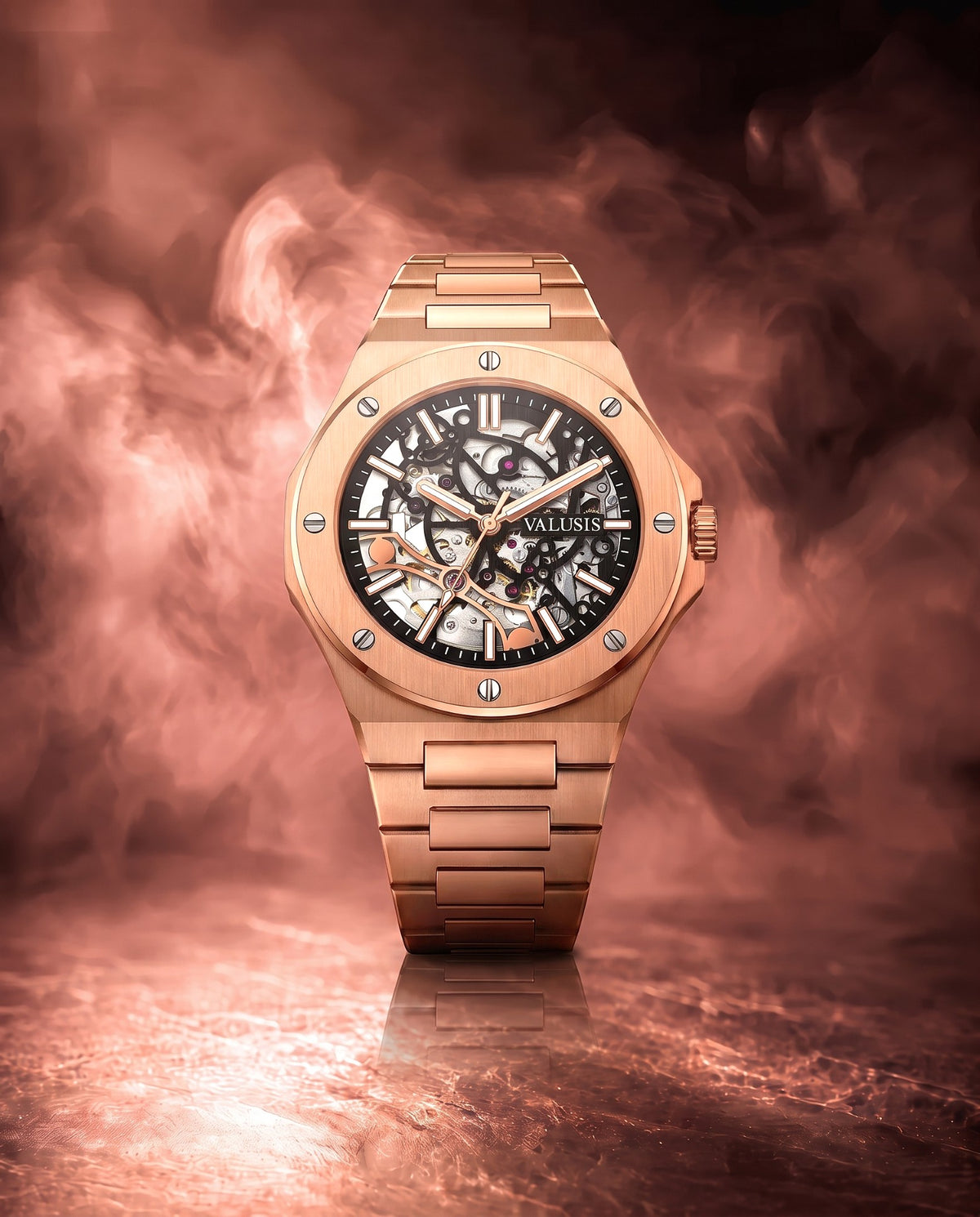
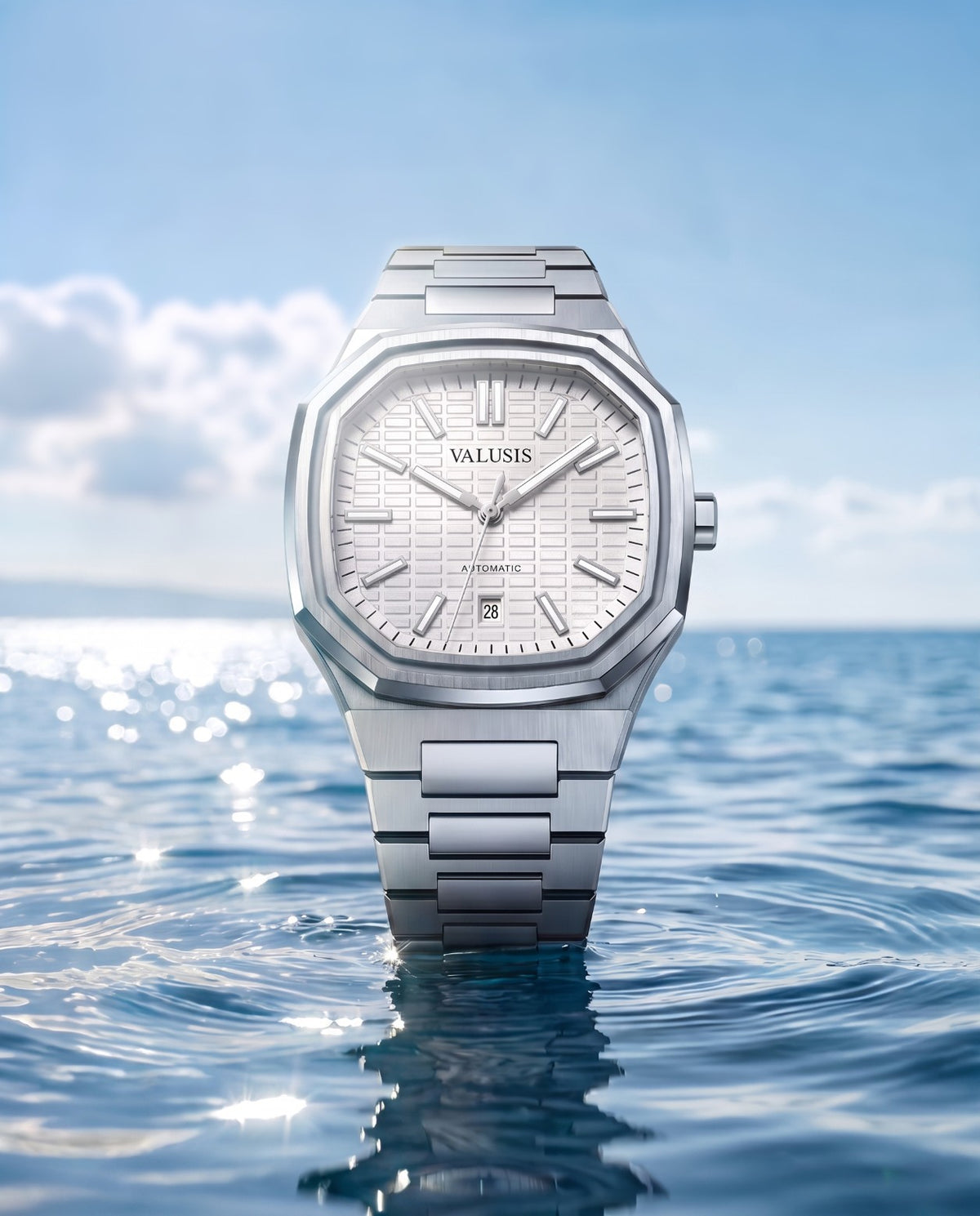
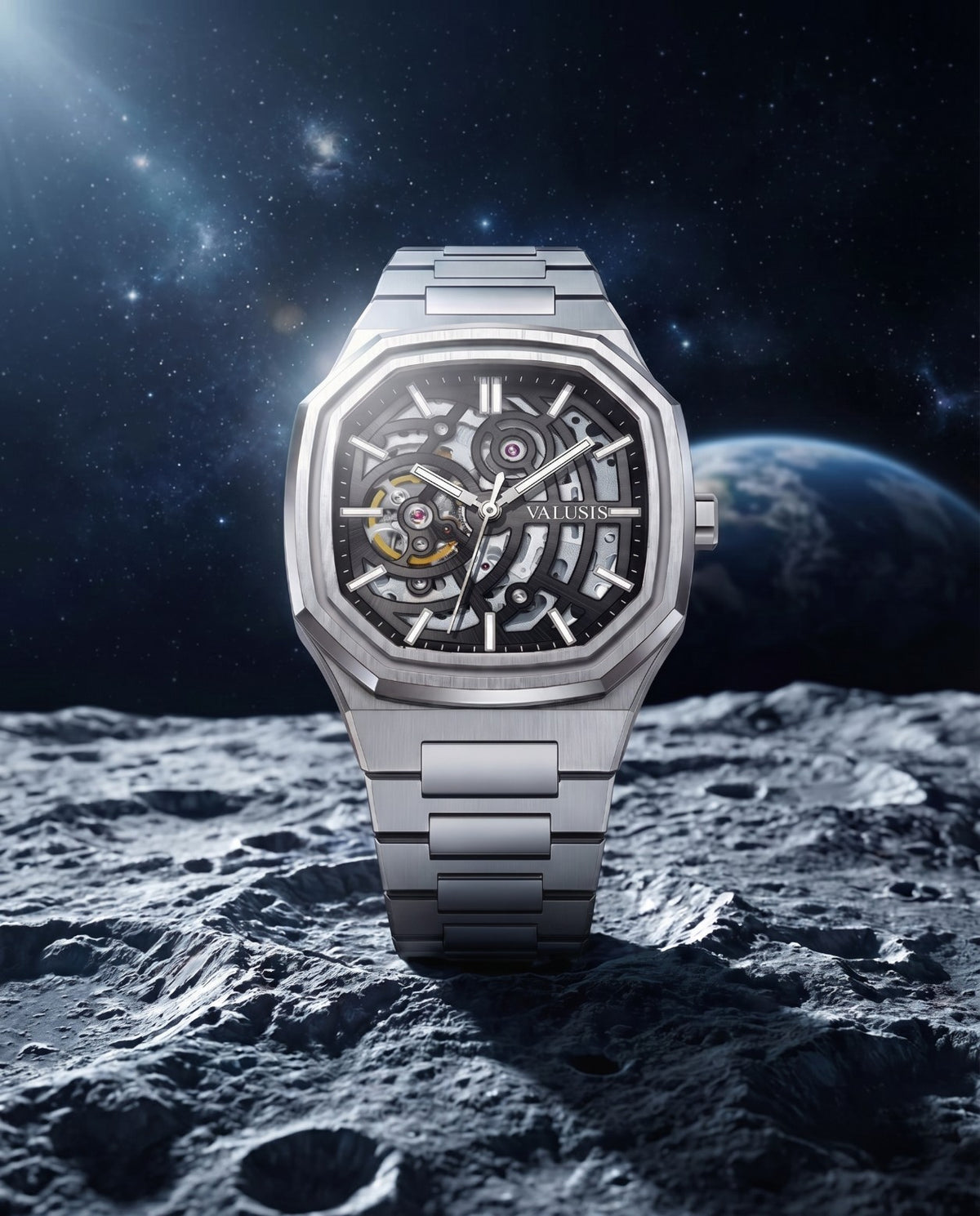
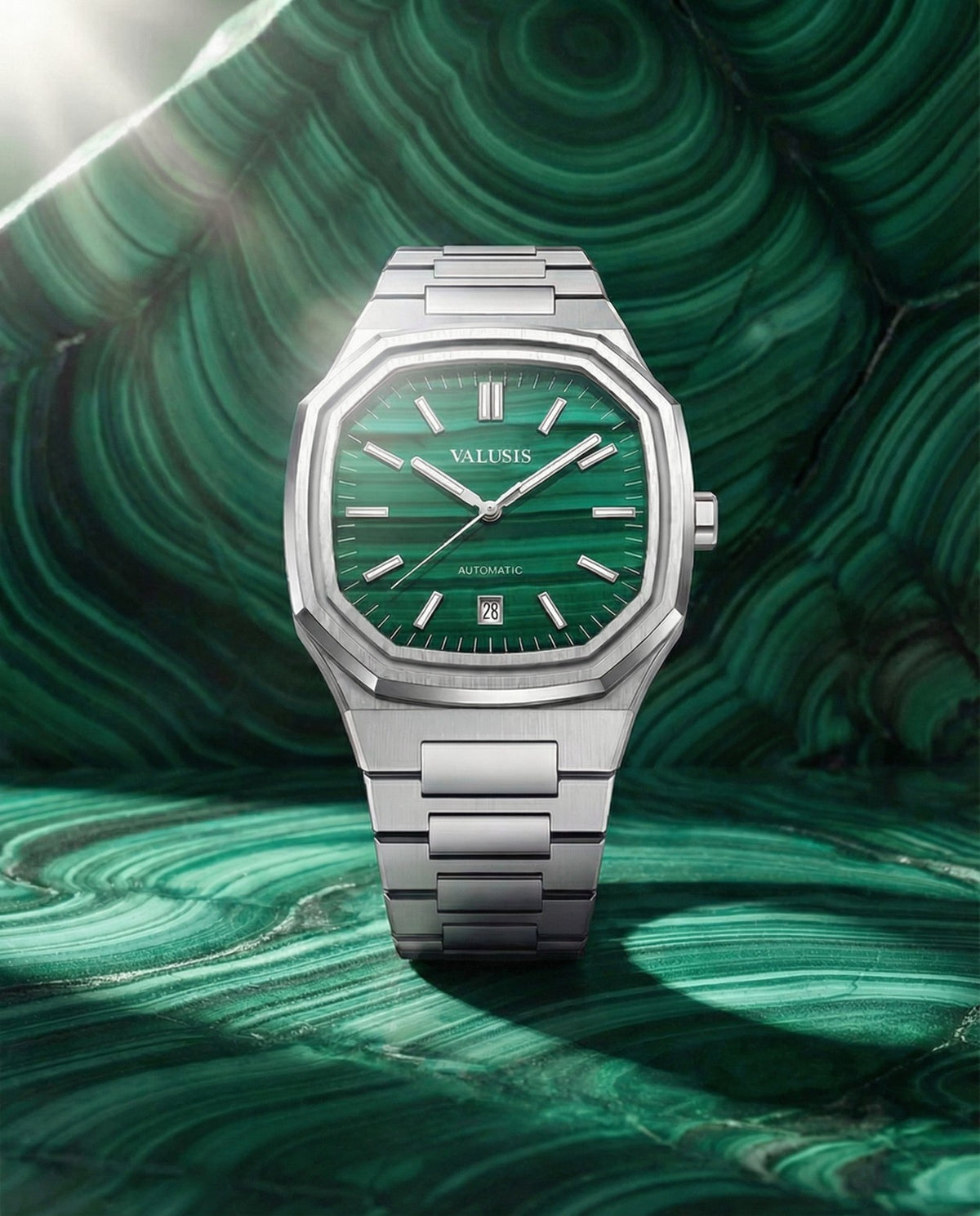
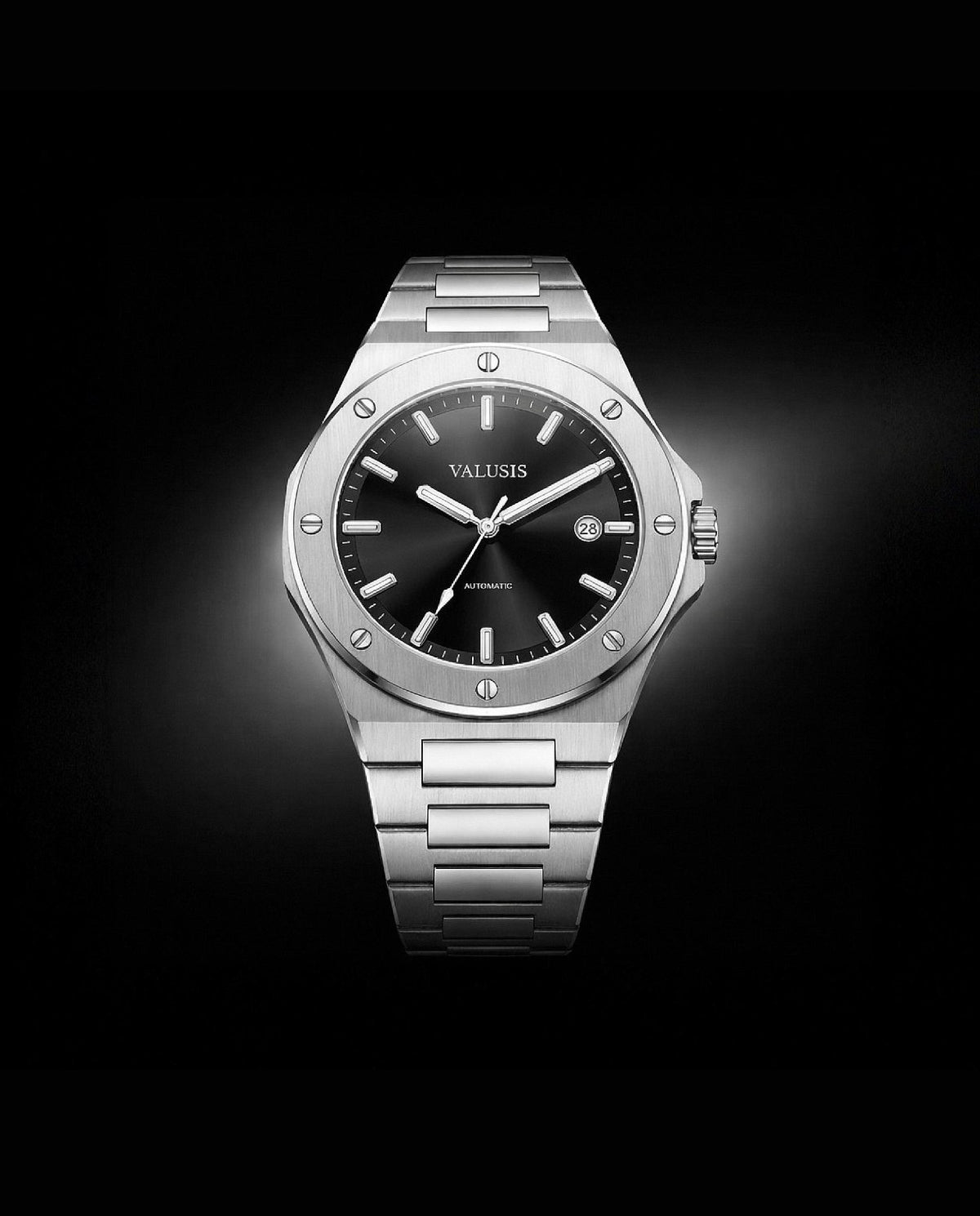
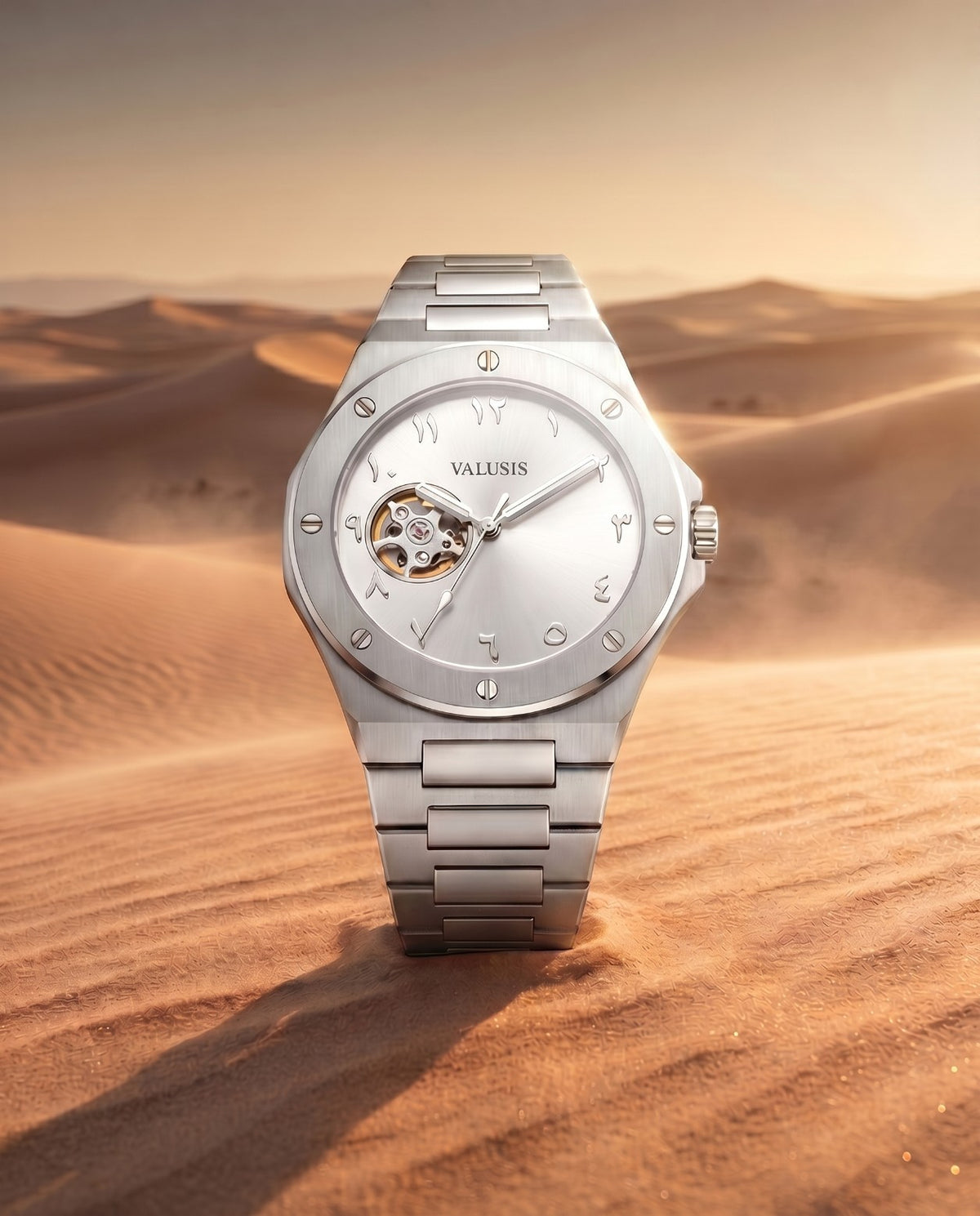
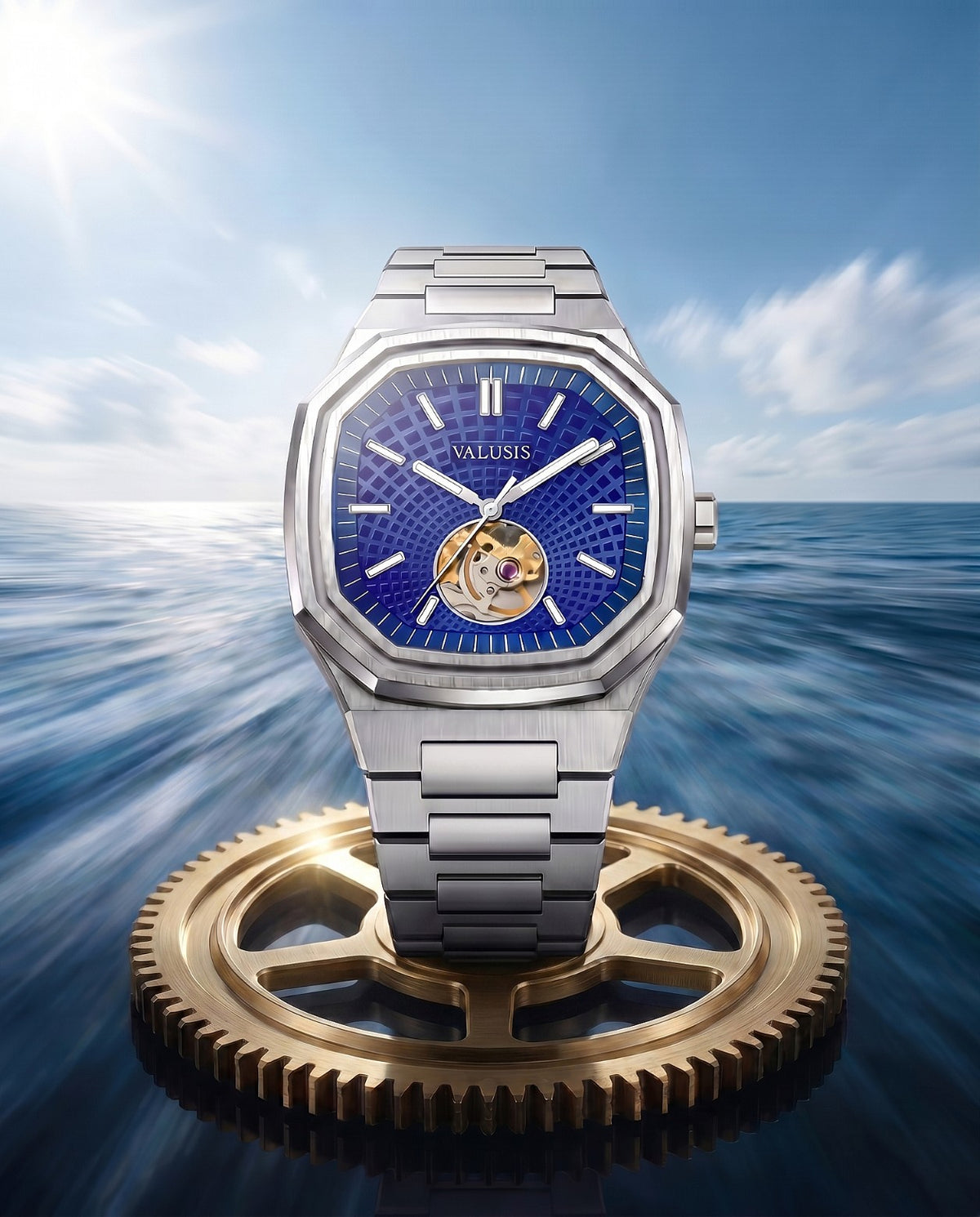
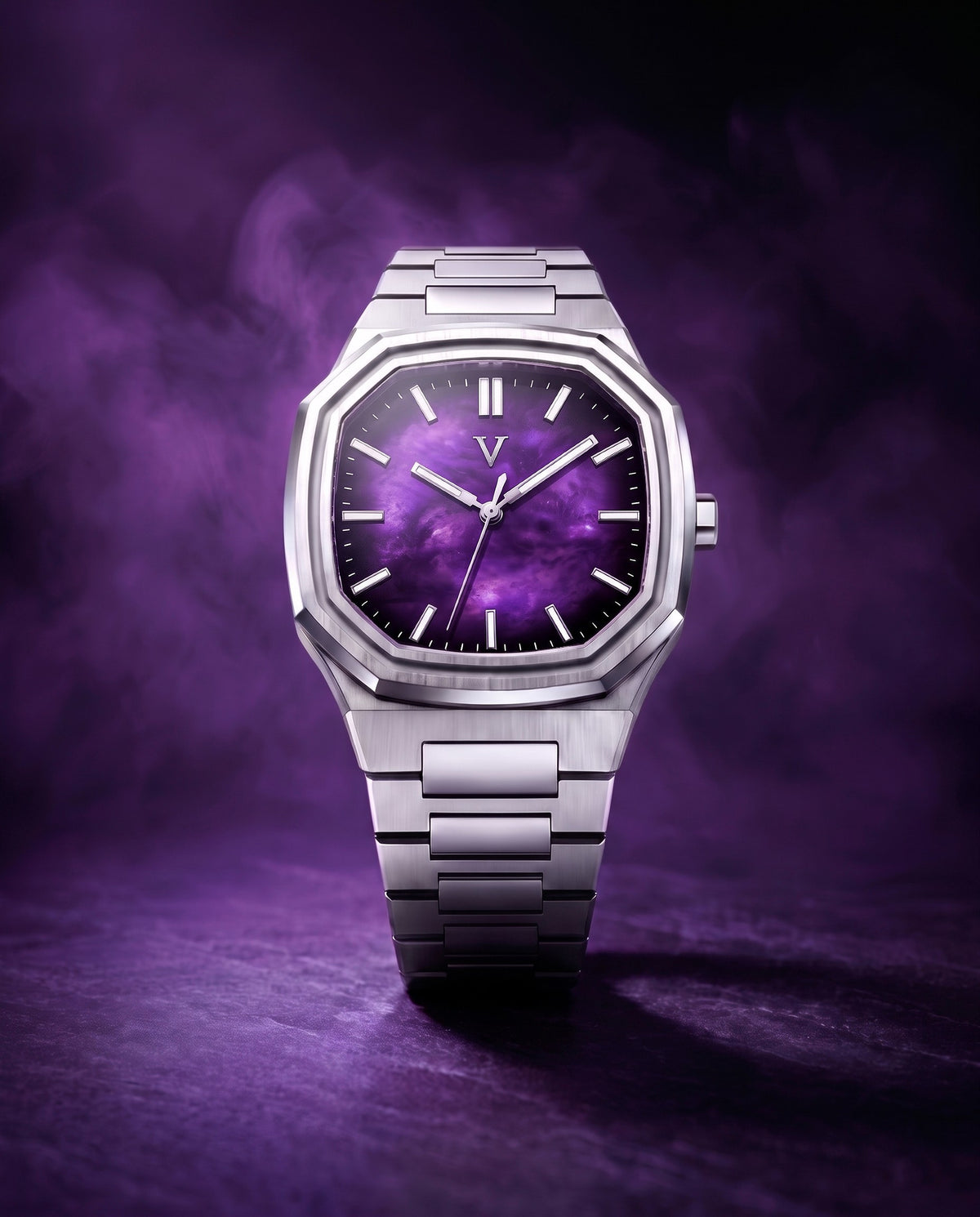
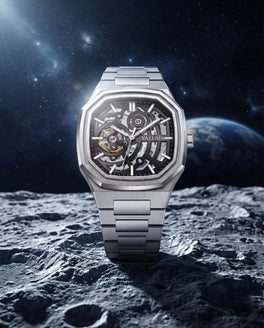
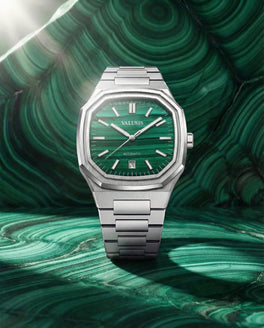
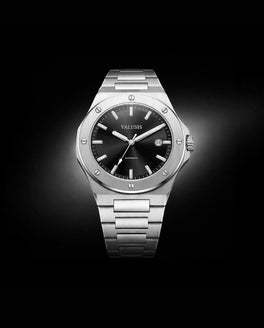
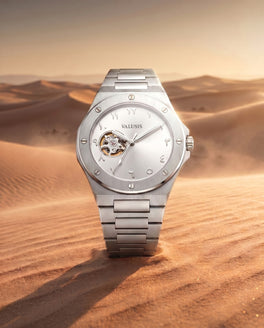
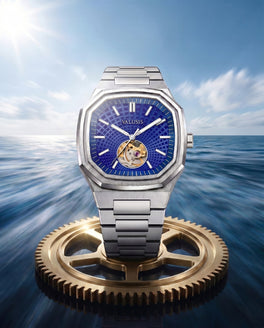
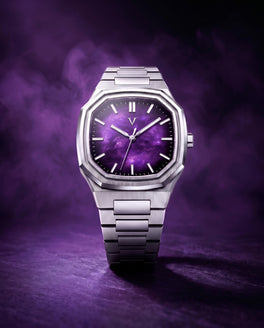
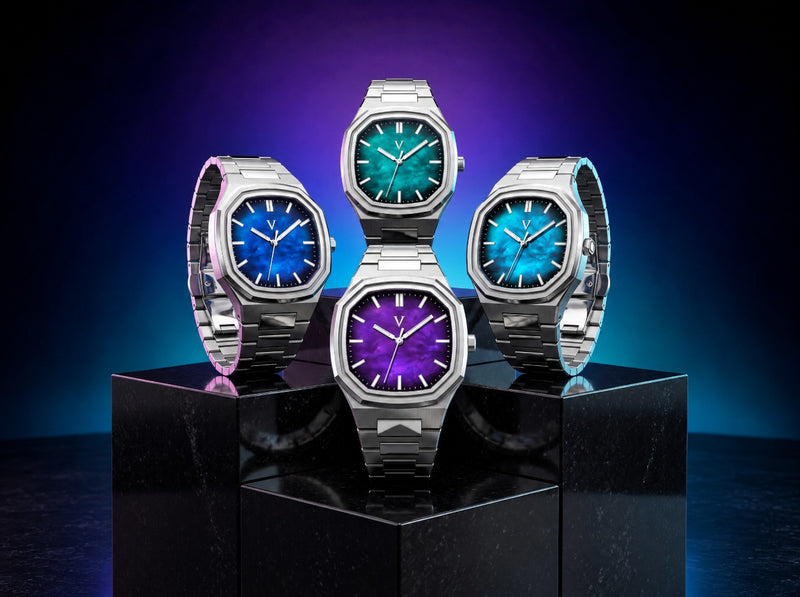
This is the core argument behind investing in a watch like the Valusis Volt Skeleton (USD 600) rather than cycling through quartz fashion alternatives. The Volt Skeleton offers:
- Japanese automatic movement — real mechanical craft, no battery, lasting quality
- Sapphire crystal — still scratchproof and immaculate after years of daily wear
- 10ATM water resistance — wearable everywhere without anxiety
- Distinctive design — the octagonal case creates an impression that most watches at any price point cannot match
- 3 industry awards and 917 five-star reviews — verified, real-world quality confirmation
At USD 600, the Volt Skeleton is accessible enough to be a considered purchase rather than a reckless one. It is expensive enough to be a genuine quality signal. And it is mechanically serious enough to impress the people whose opinion on your watch actually matters.
The Math of the Watch Paradox
Consider the typical fashion watch buyer. They spend USD 150 on a DW, wear it until it looks worn (typically 12-18 months of daily use with mineral crystal), buy another, cycle through three watches over five years at a total cost of USD 450-500.
Now consider the Valusis buyer. They spend USD 600 on a Volt Skeleton. Five years later, the sapphire crystal is still essentially scratchproof. The Japanese automatic movement is still running reliably. The watch still looks like a serious piece of mechanical engineering. Total cost over five years: USD 600. Better impression across every professional and social context: confirmed.
The cheap watch paradox is ultimately a math problem with a clear solution: spend more once, spend less overall, look better throughout.
The Bottom Line
A cheap watch does not save you money in any meaningful sense. It costs you something more valuable — the impression of being someone who understands quality and invests in it accordingly.
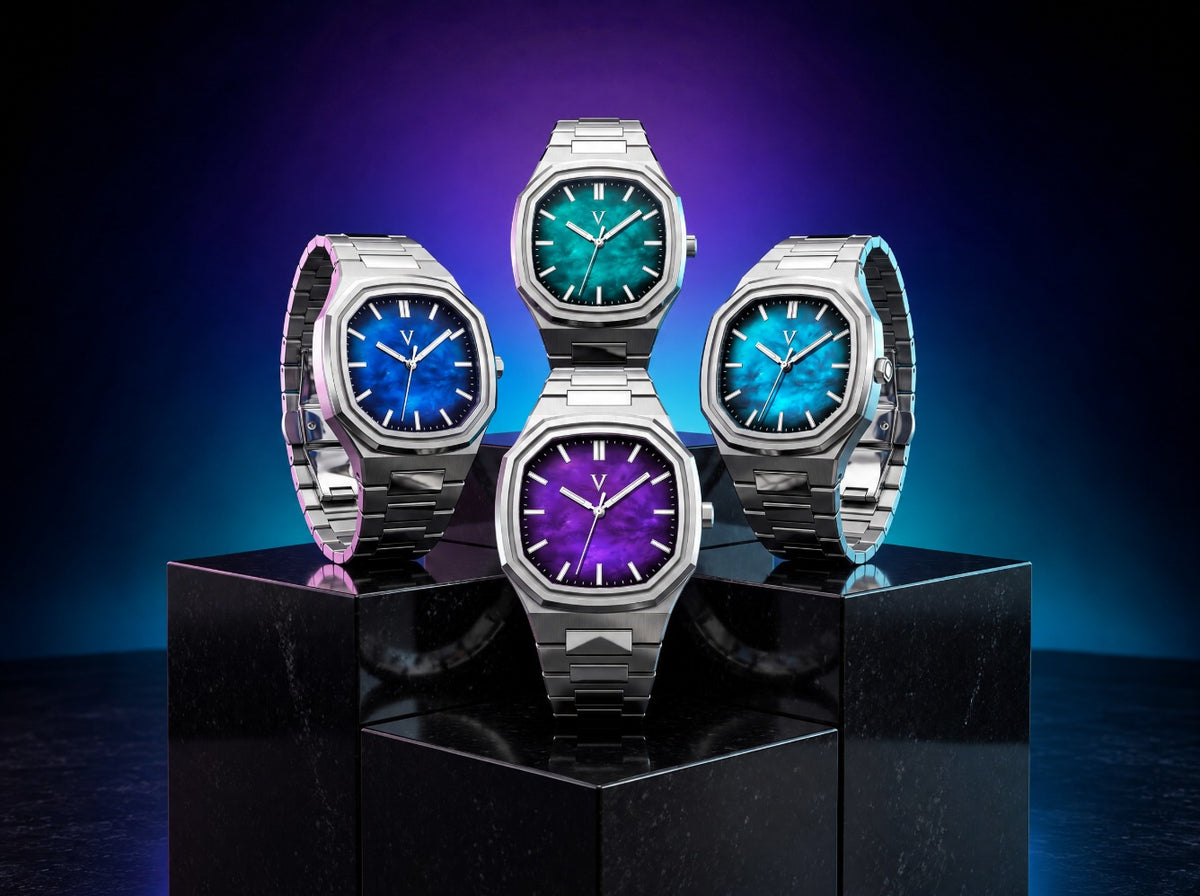
Buy one watch. Buy it well. The Valusis collection starts at USD 210 — a price that is genuinely accessible and genuinely impressive. Explore it at valusis.com. One good watch, worn every day, for years. That is the move.
VALUSIS QUICK SPECS
- Japanese automatic movement
- Sapphire crystal glass
- 10ATM water resistance
- 316L stainless steel case
- 5-year warranty
- From USD 210 — valusis.com