





How to Choose the Right Watch Size
SIZE CHANGES EVERYTHING
HOW TO CHOOSE
THE RIGHT SIZE
The wrong size watch looks wrong immediately — even if you can't say why. Here's how to get it right.
 FIND YOUR WATCH
CASE DIAMETER: THE STARTING POINT
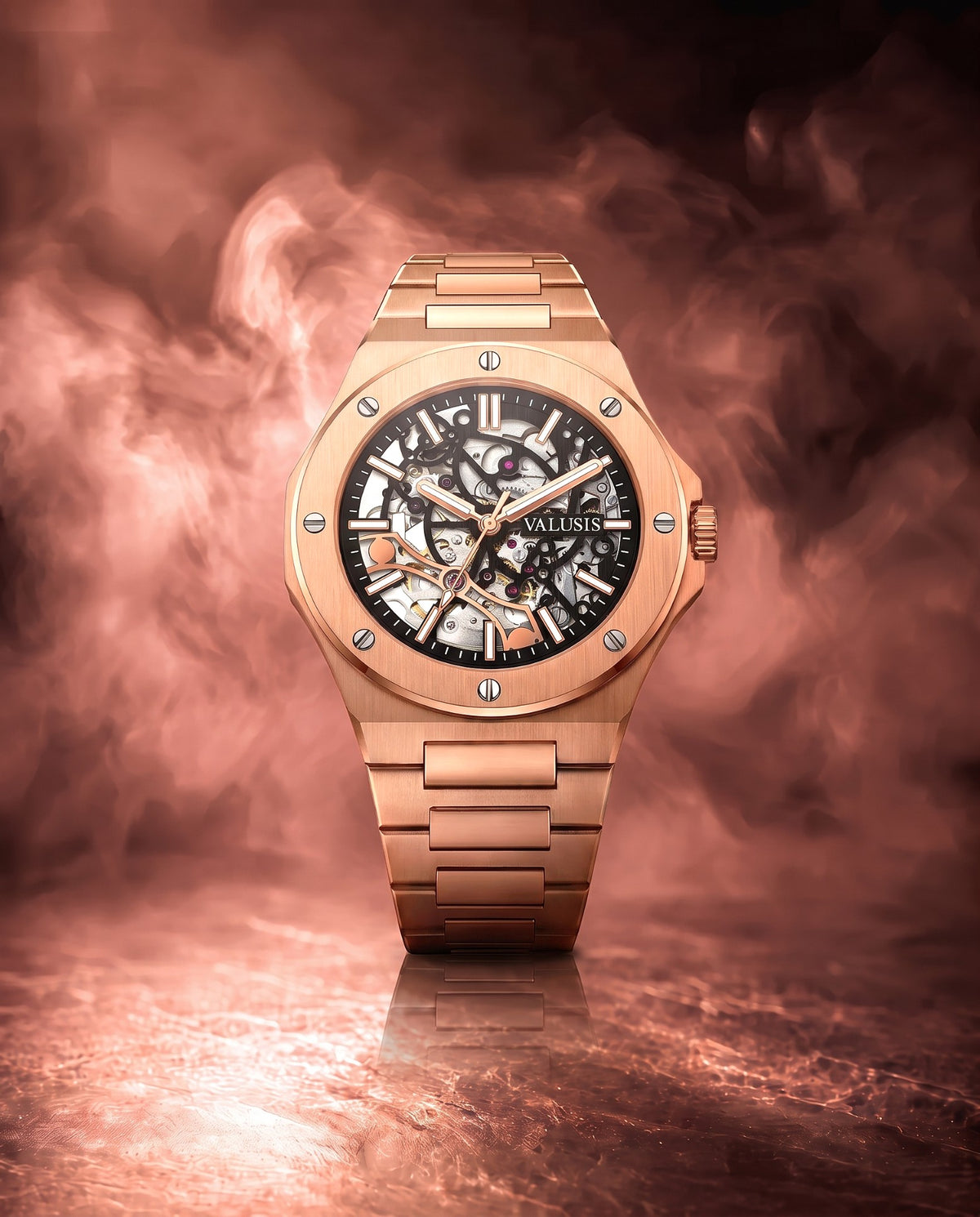
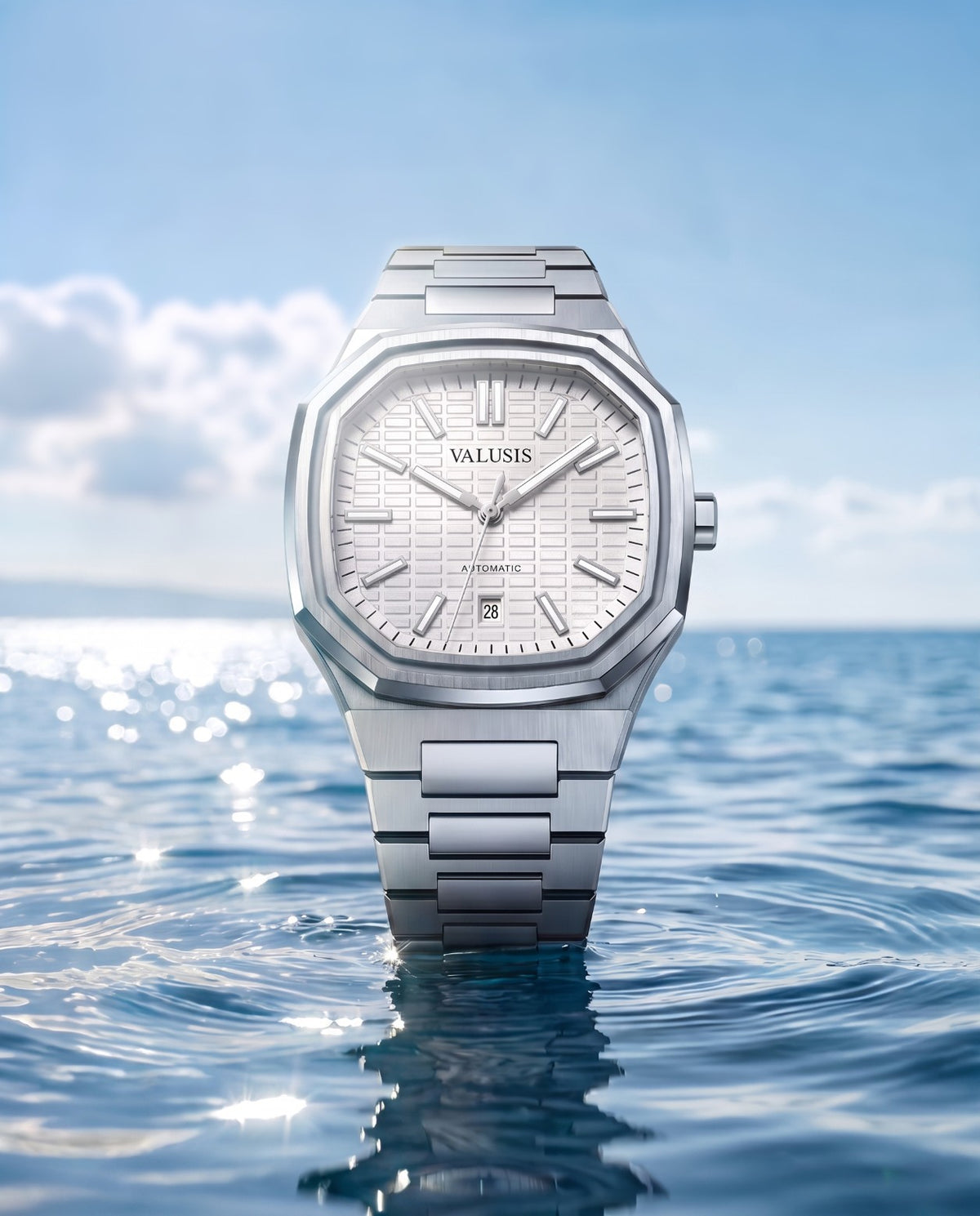
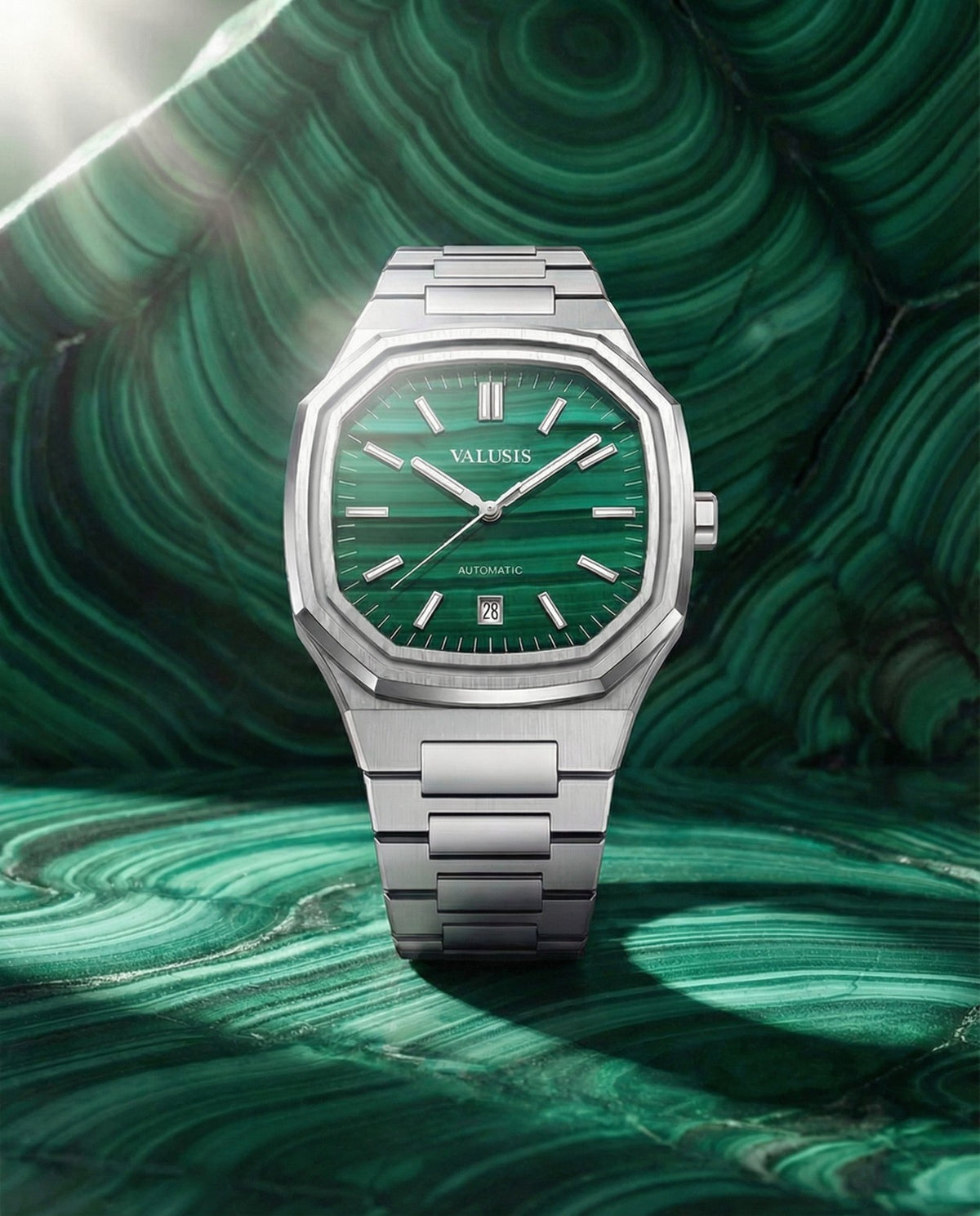
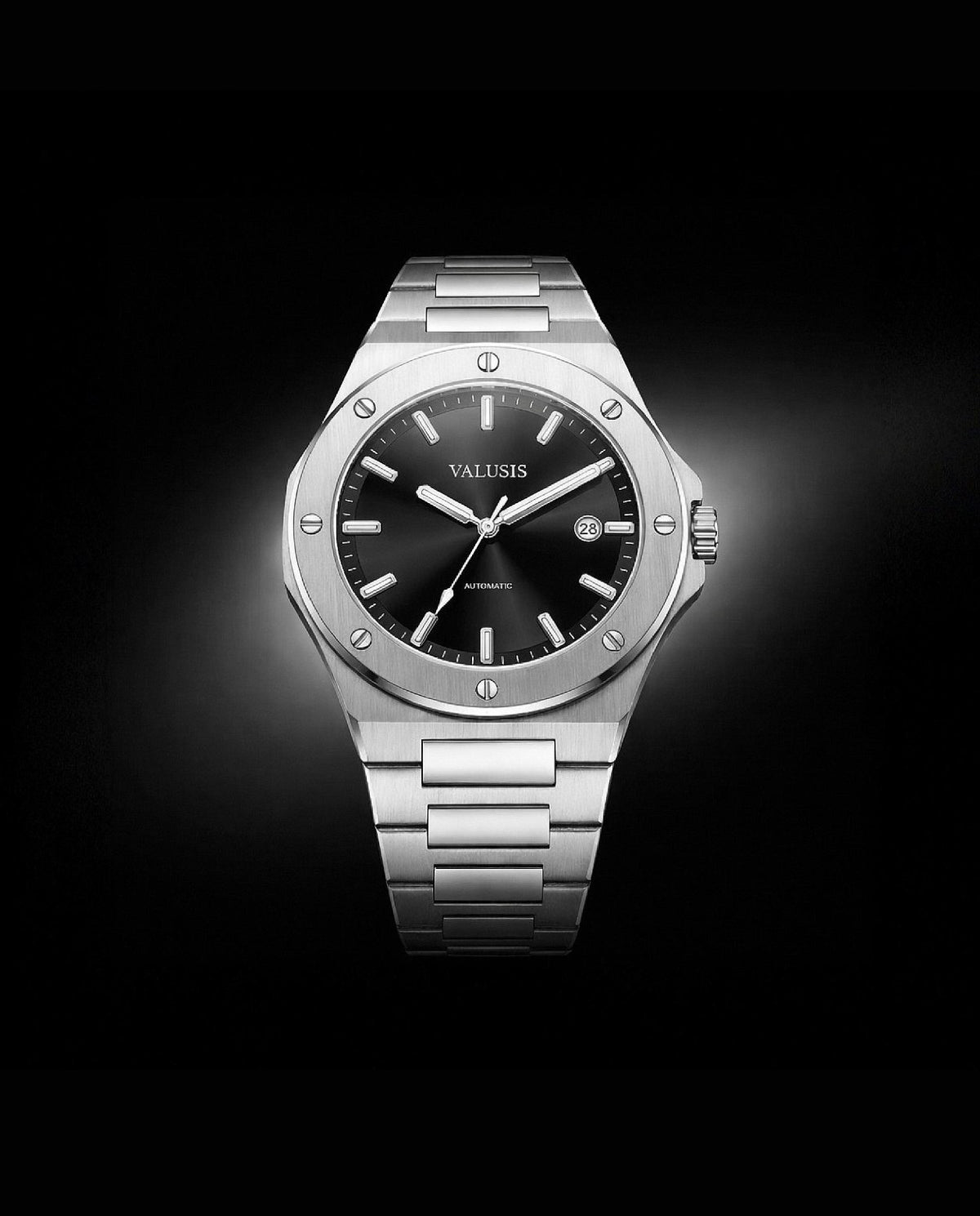
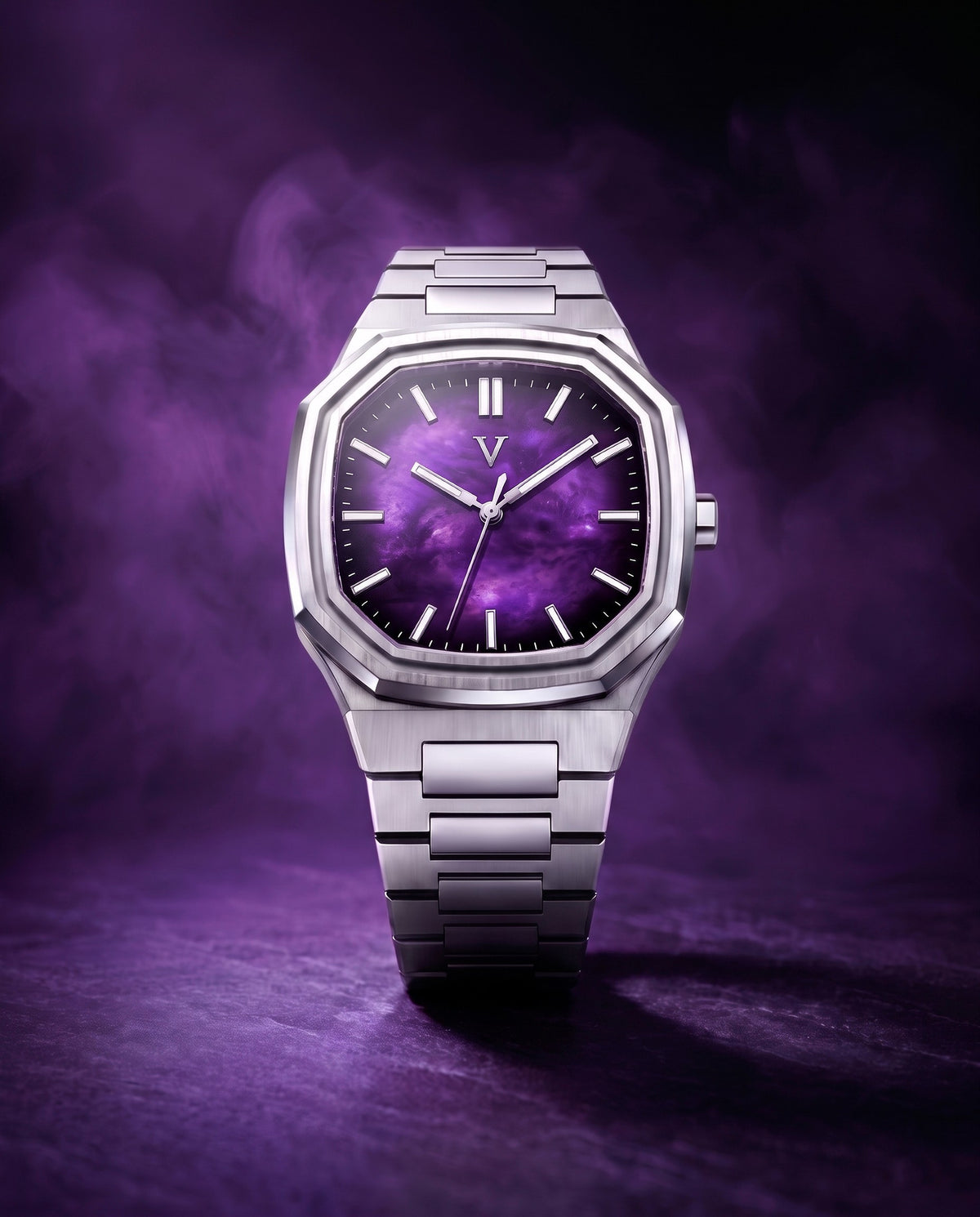
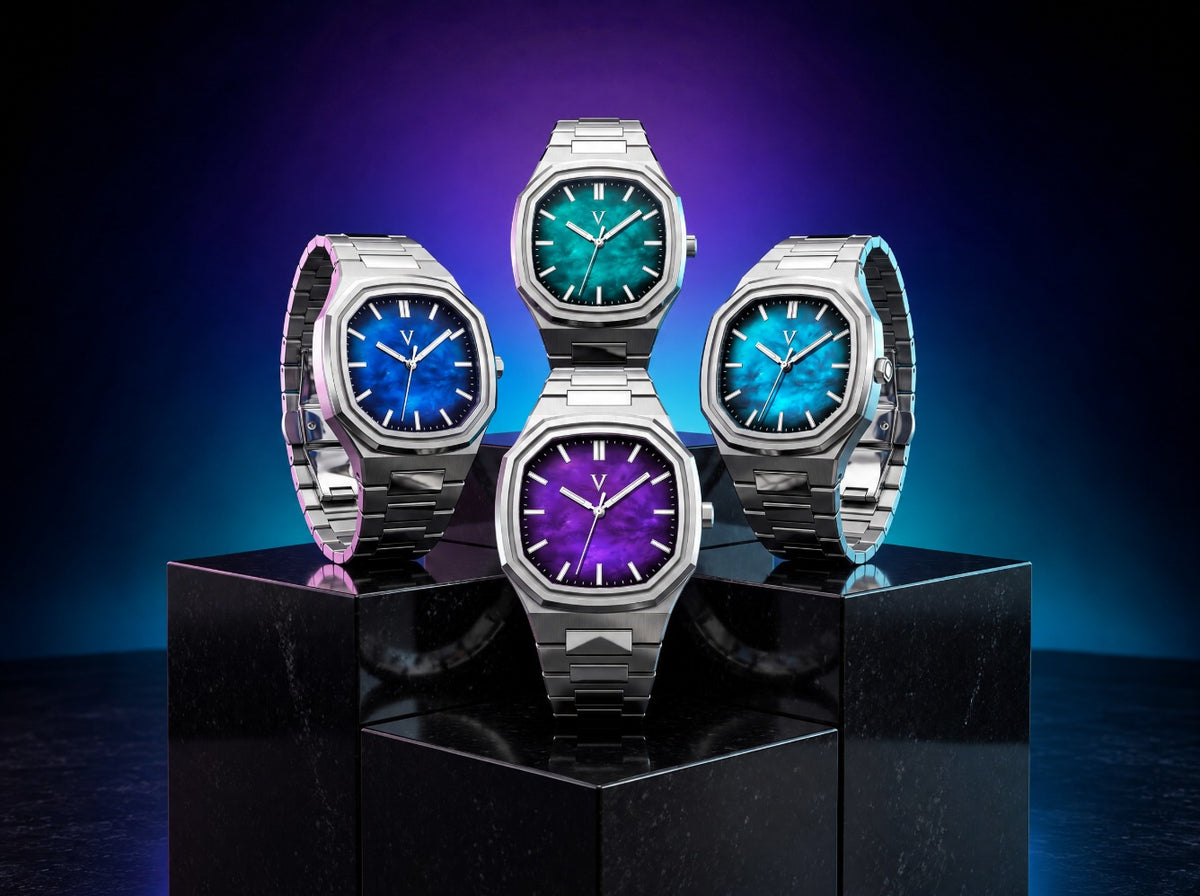
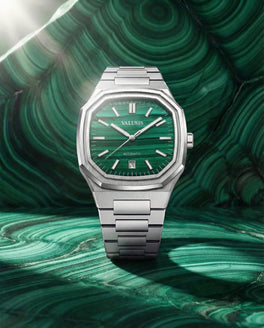
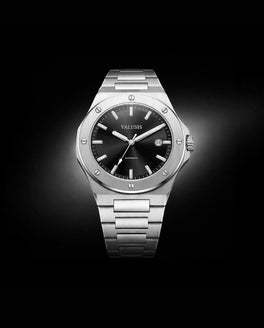
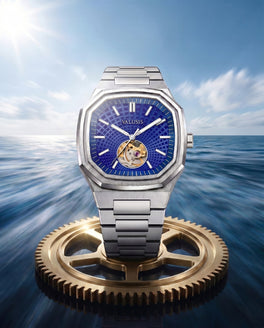
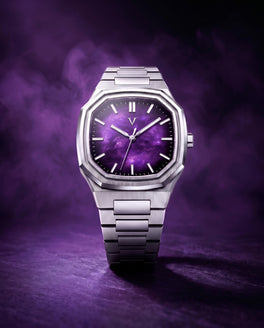
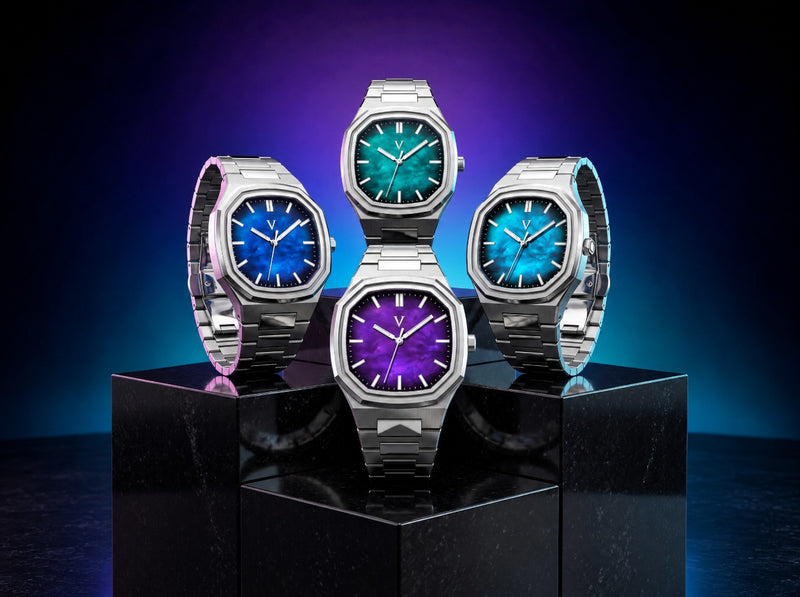
Case diameter is measured in millimetres across the face of the watch, not including the crown. Most modern men's watches range from 38mm to 45mm. The Valusis Volt sits at 42mm — the current sweet spot for a presence-forward watch that doesn't dominate a slim wrist.

40mm is considered the classic size — proportional on most wrists, works under shirt cuffs, readable without being imposing. 44mm and above is statement territory: visible at a distance, demands an open cuff.

LUG-TO-LUG DISTANCE
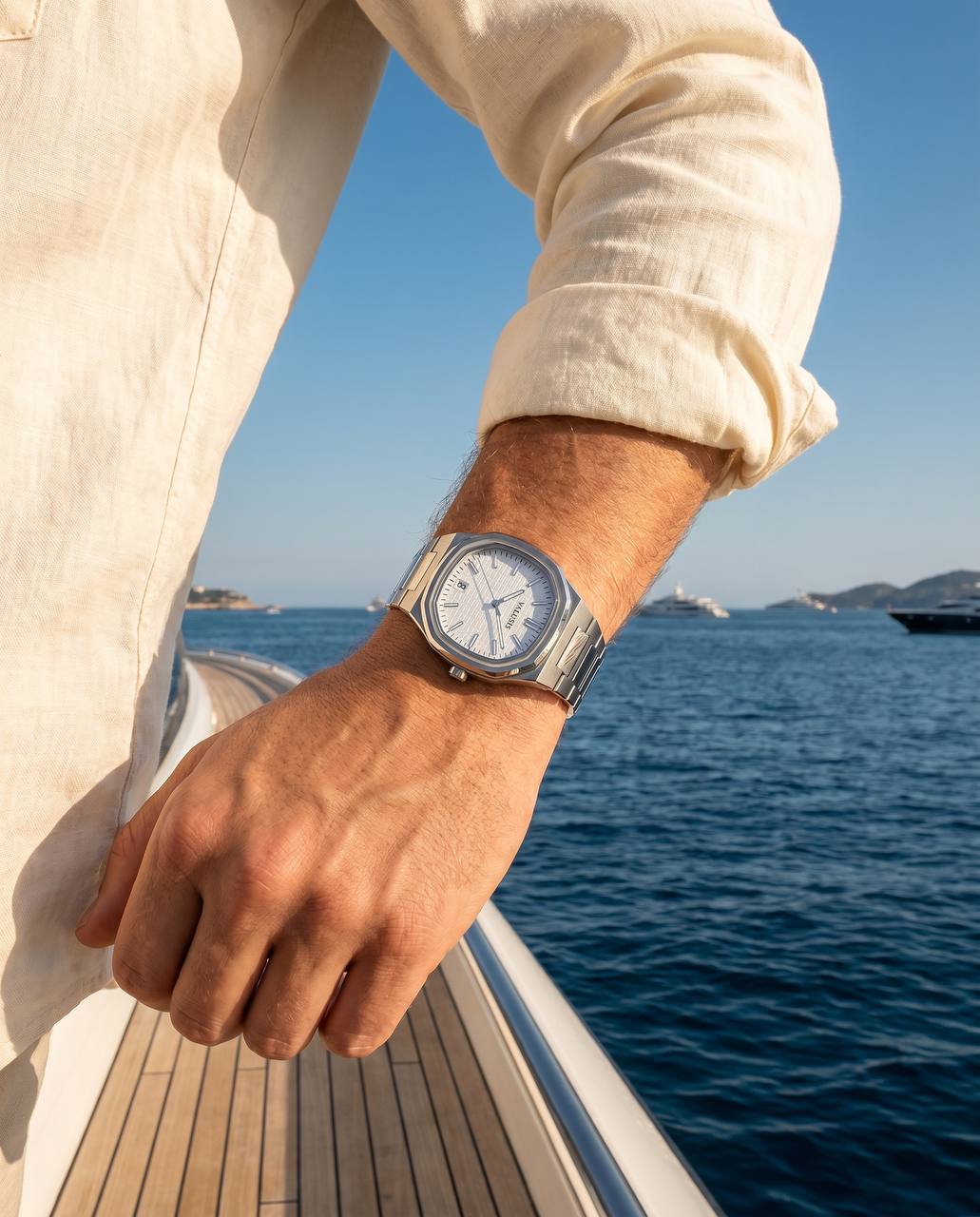
Lug-to-lug is the measurement from the top of the case to the bottom — the vertical dimension that determines how the watch sits on the wrist. A watch with a high lug-to-lug relative to wrist circumference will overhang the sides. It looks wrong.

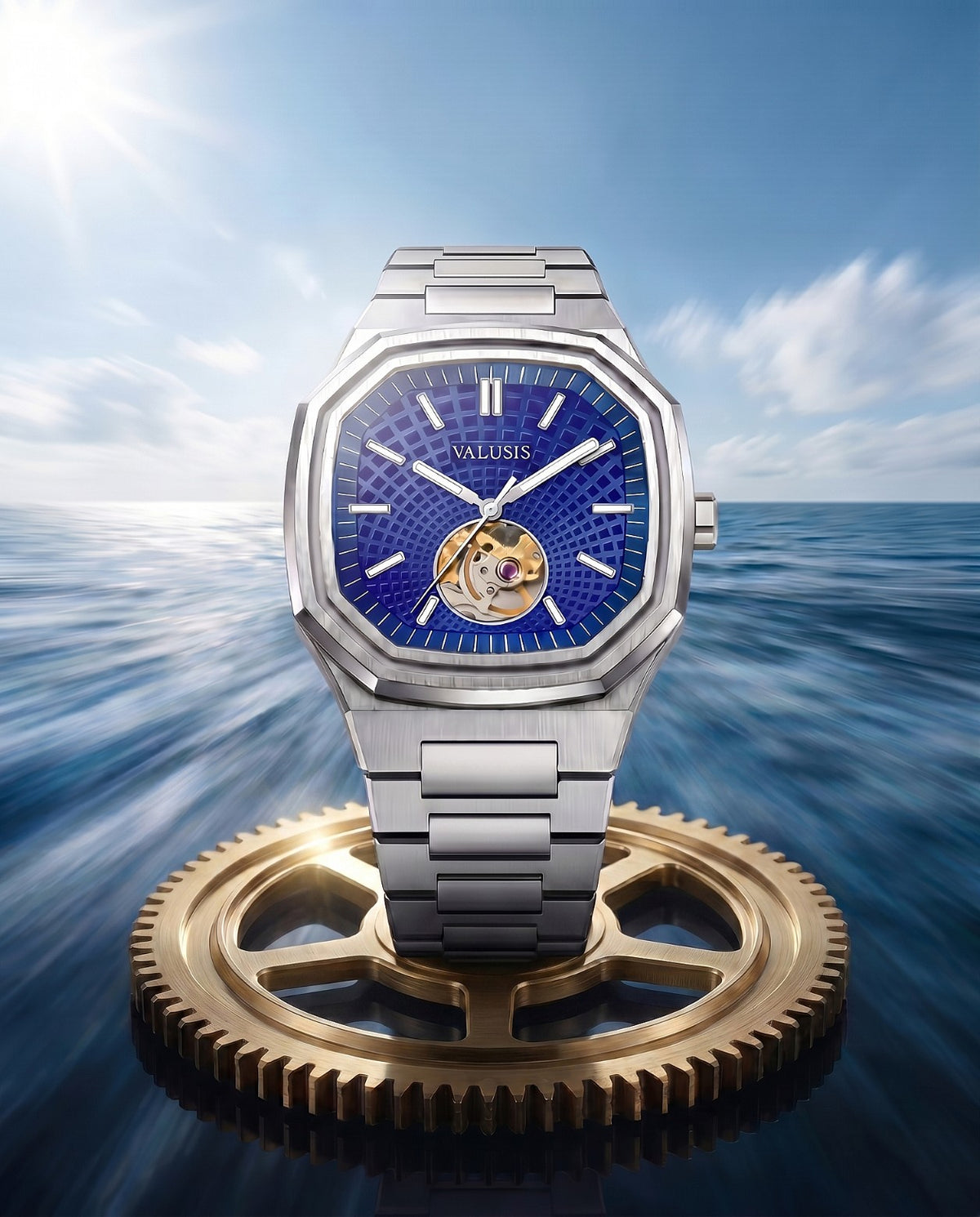
For most wrists between 16cm and 18cm, a lug-to-lug of 46–50mm sits correctly. The Valusis Volt is designed within this range. If you have a particularly slender wrist, the Lysium line offers a slightly more compact footprint.

WRIST CIRCUMFERENCE
Measure your wrist with a tape measure or a strip of paper just above the wrist bone. Below 16cm: consider watches under 40mm. 16–18cm: 40–44mm is the natural range. Above 18cm: 44mm+ looks proportional.

These are starting points, not rules. The most important test is: does it feel right on your wrist? A 42mm watch on a 15cm wrist may look large — or it may look exactly like you intended.

THICKNESS
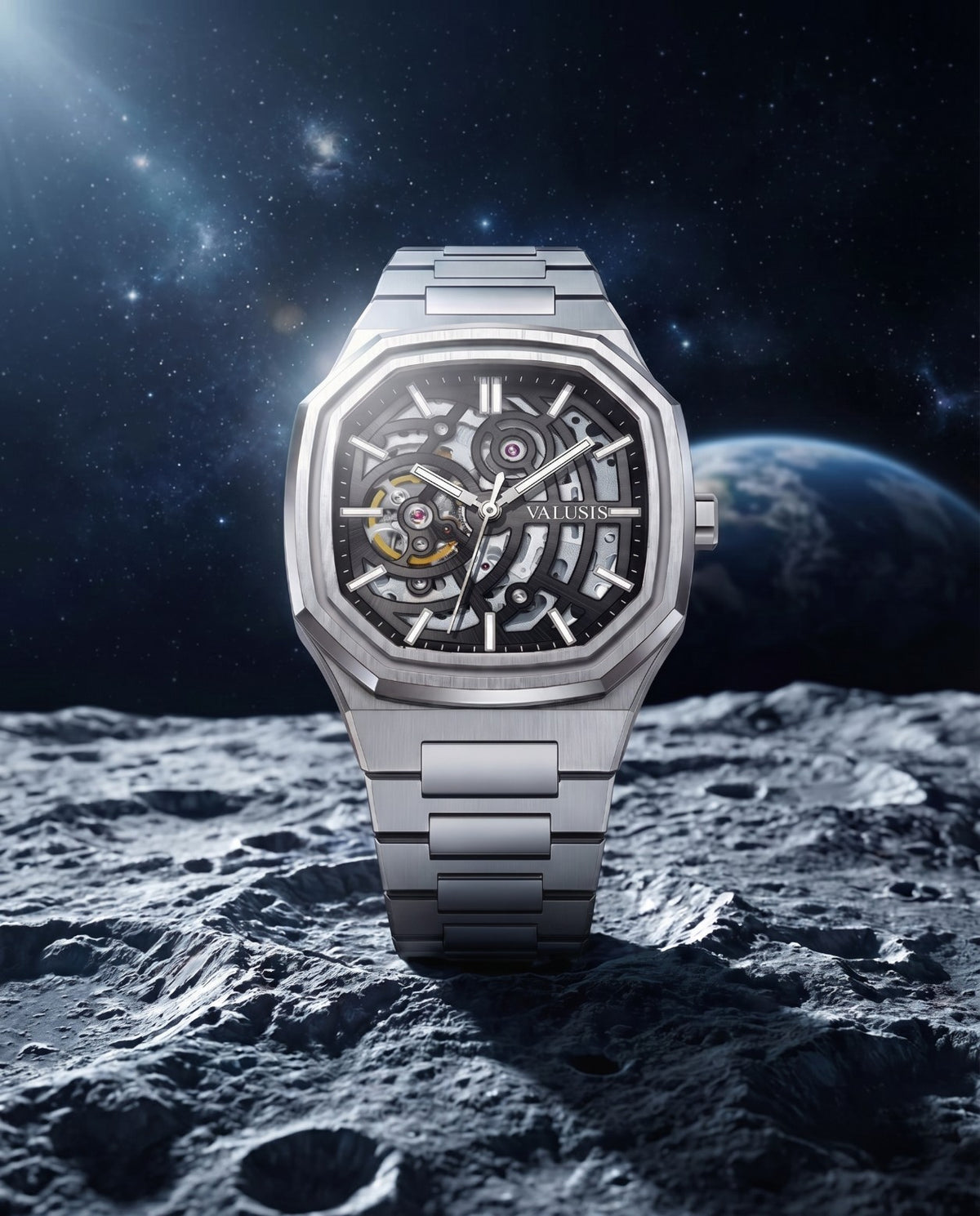
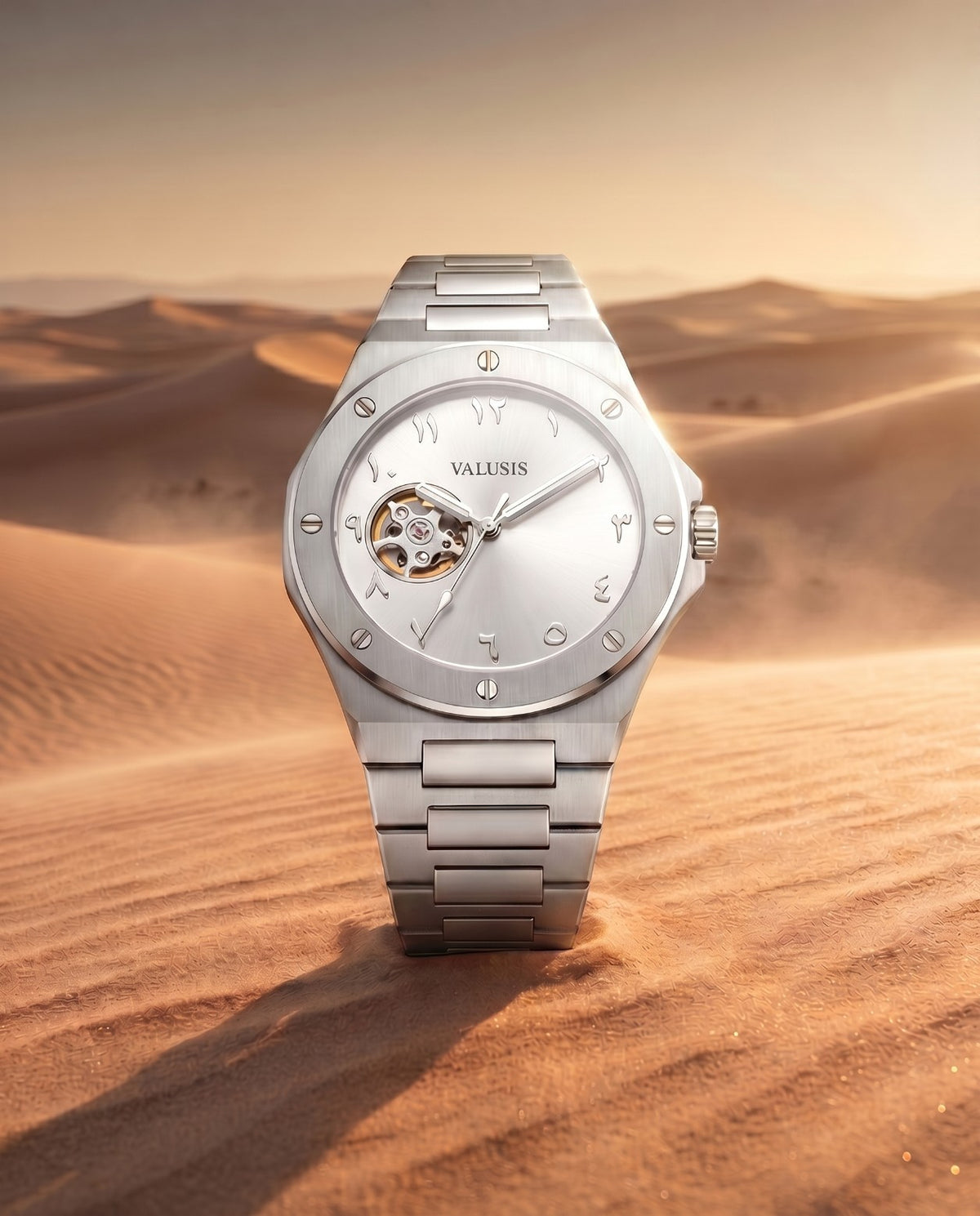
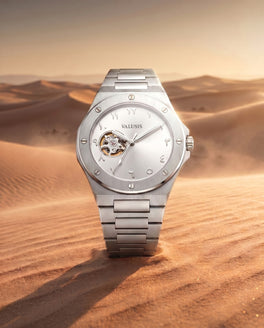
Thickness affects how the watch sits under a cuff. Dress watches run 8–10mm. Sports and skeleton watches run 12–14mm. The Valusis Volt Skeleton sits at 13mm — substantial, but still workable under a suit jacket.

If you wear suits frequently, check thickness before buying. A watch that won't slide under your cuff is a watch you'll only wear on weekends.
