





How to Read a Watch — The Parts, The Terms, The Meaning
EVERY DETAIL HAS A NAME
HOW TO READ
A WATCH
Crown, bezel, lug, caseback. Every part of a watch has a name — and knowing them makes you a better buyer.
 EXPLORE THE COLLECTION
THE CASE
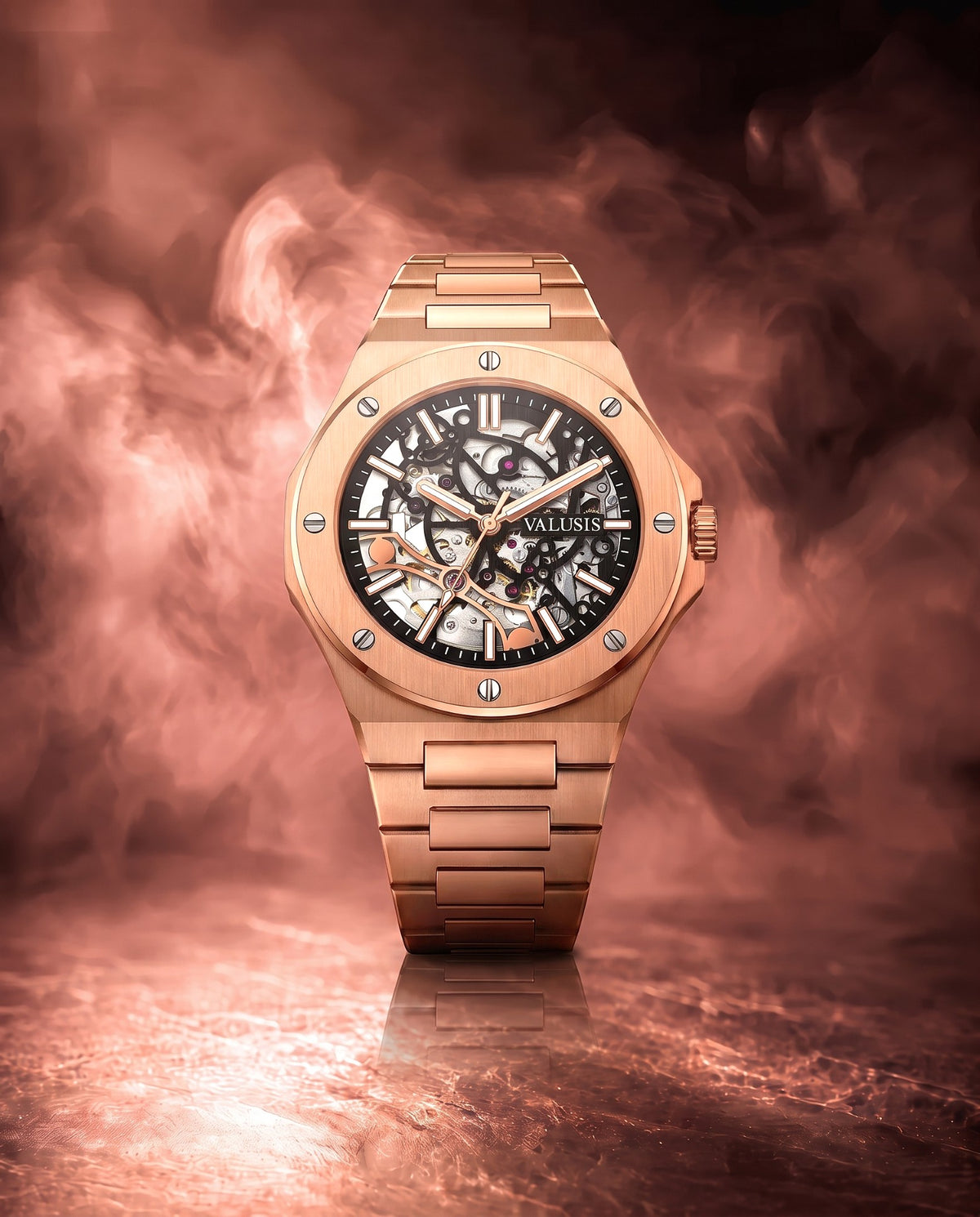
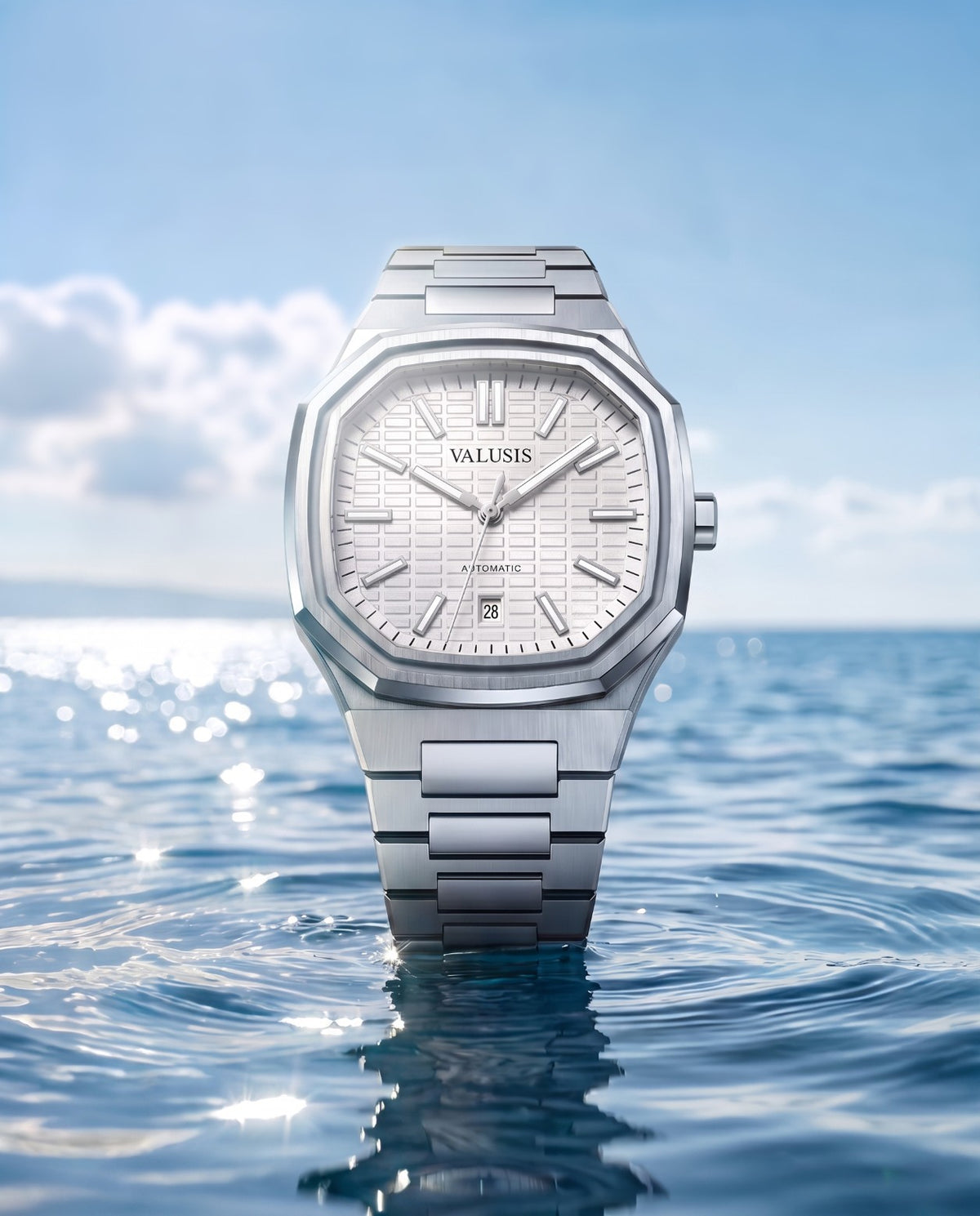
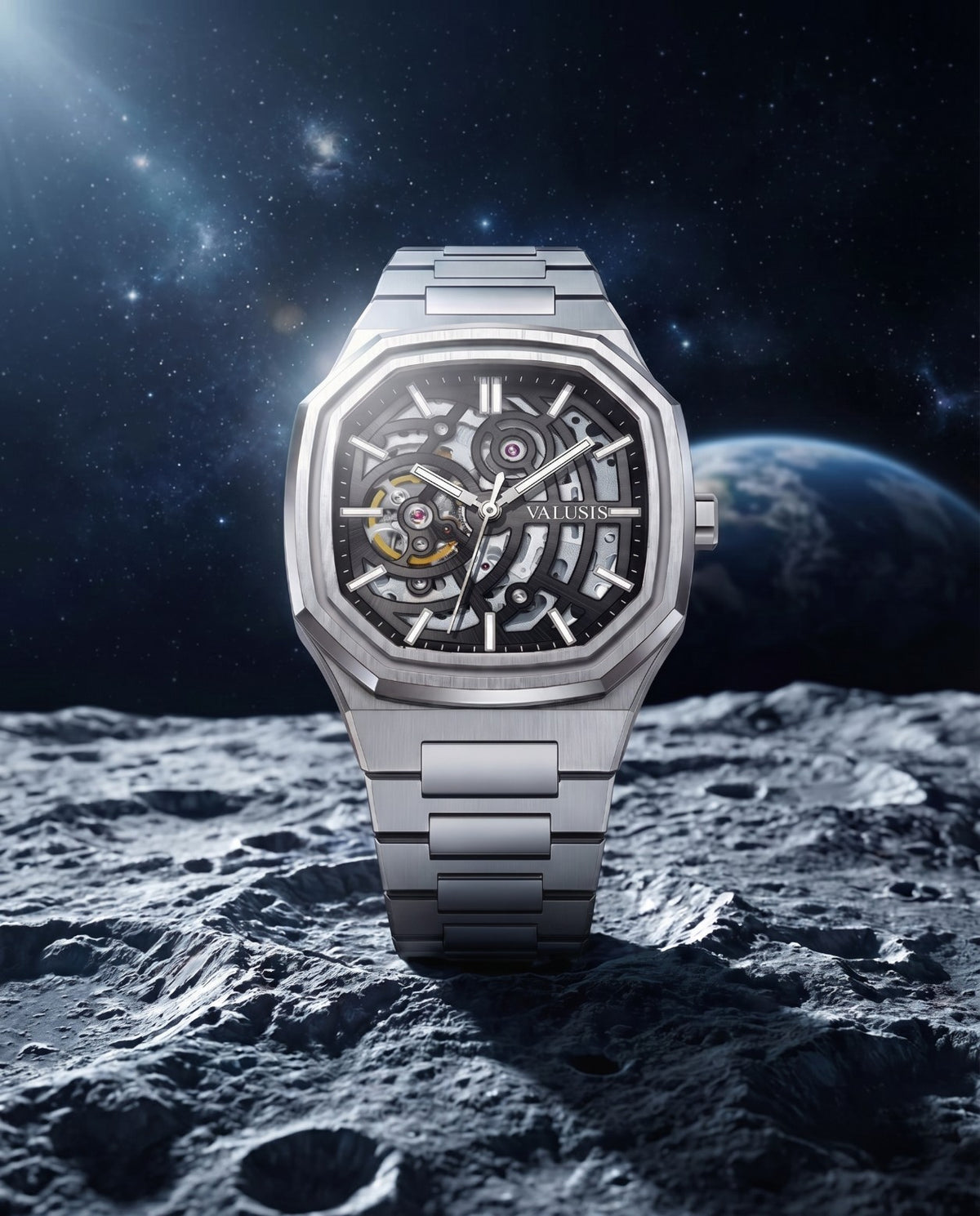
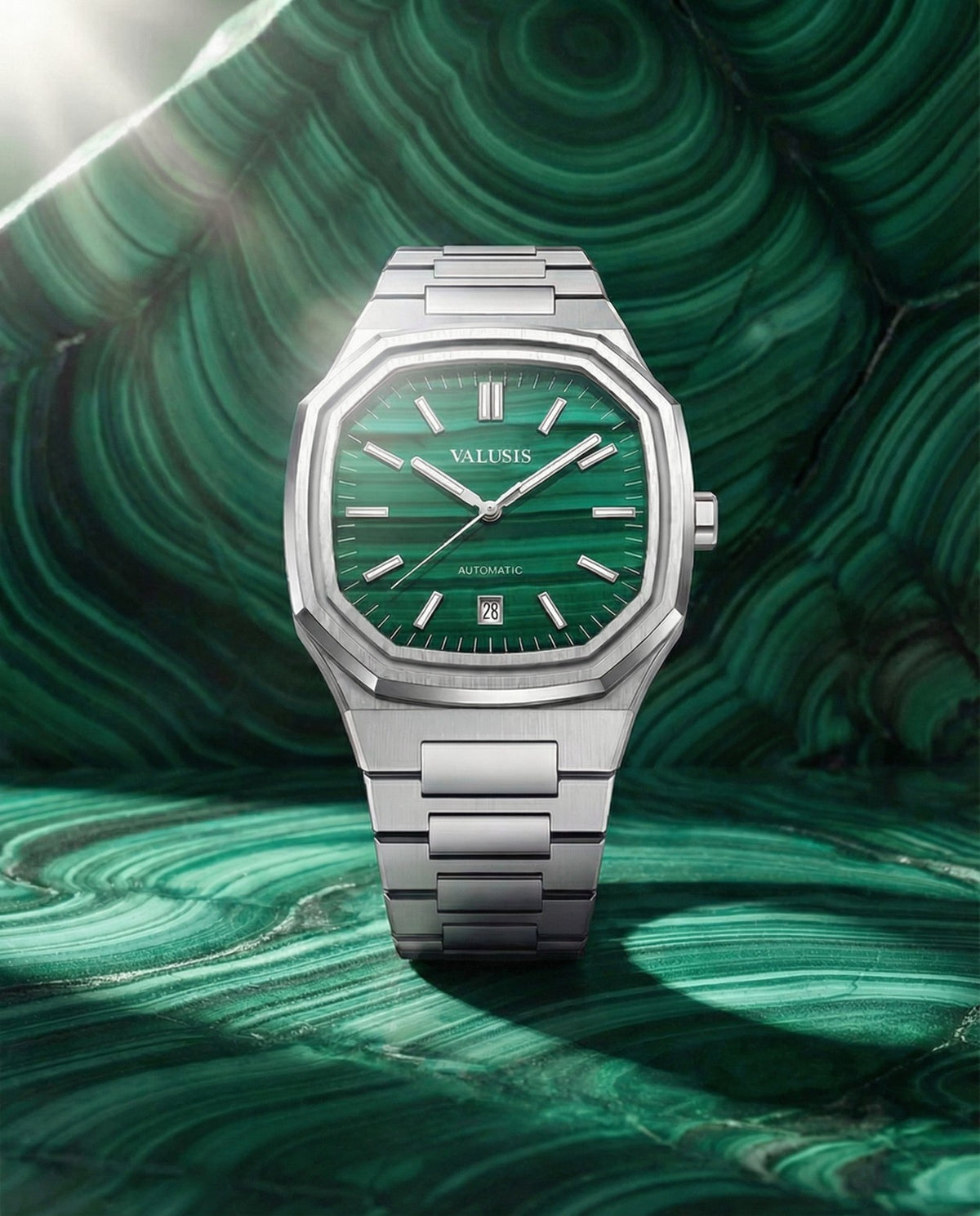
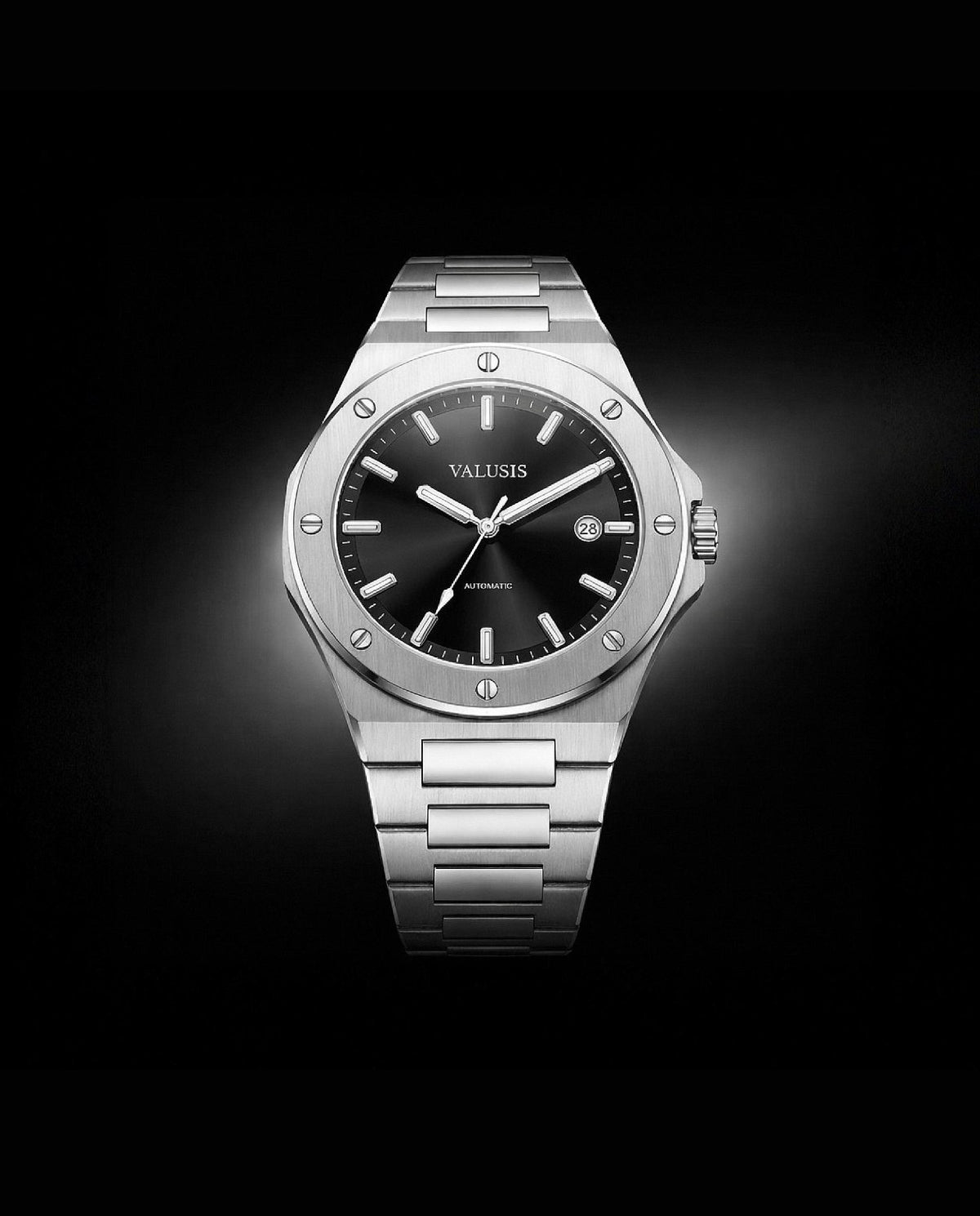
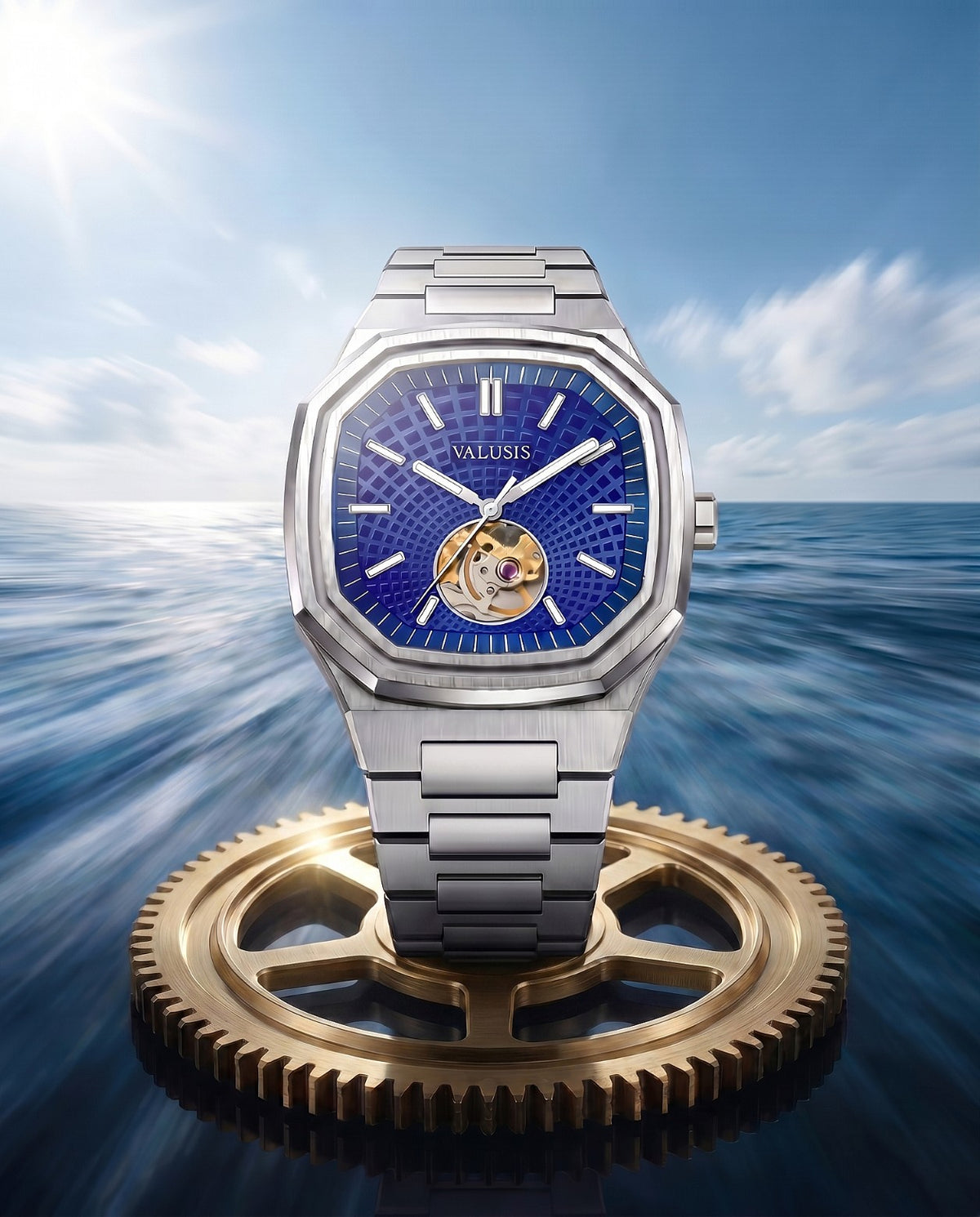
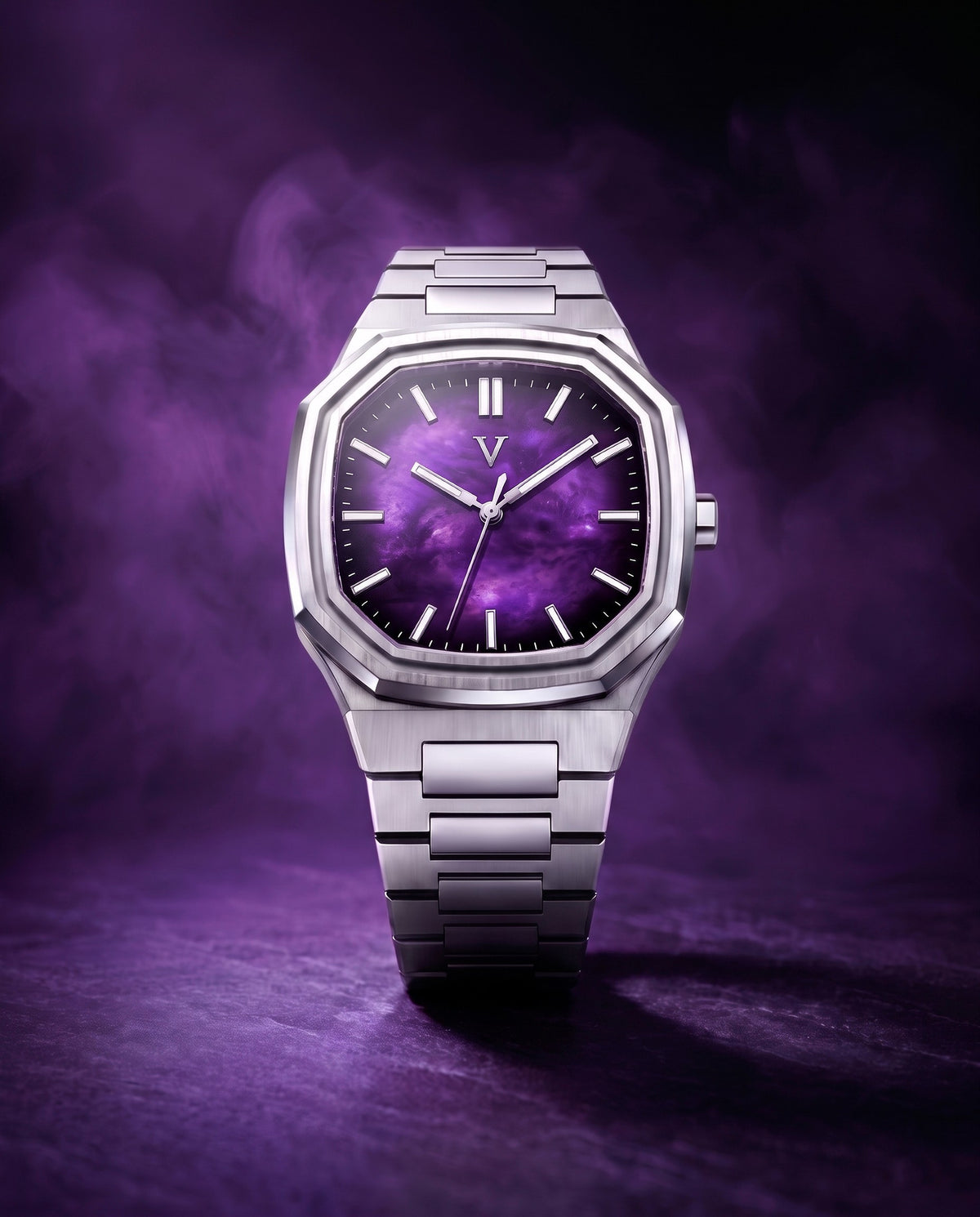
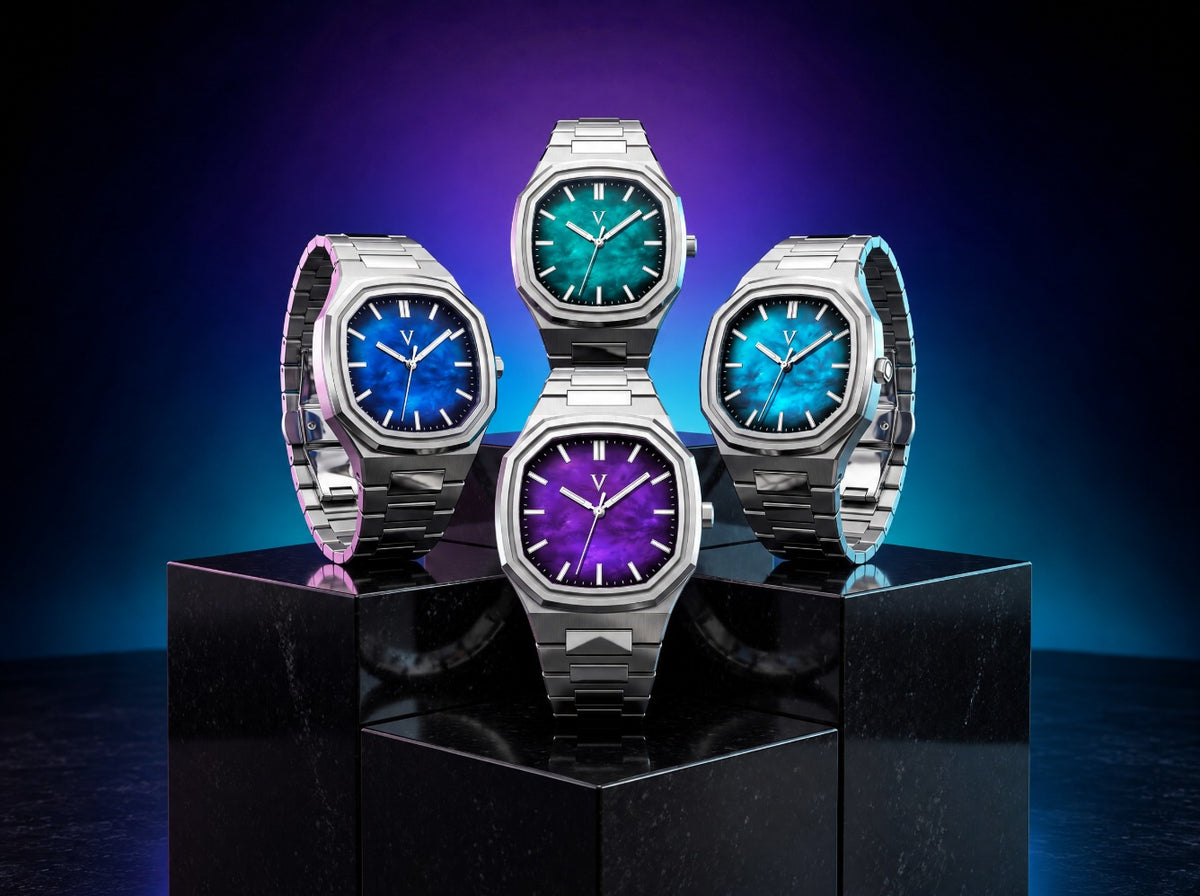
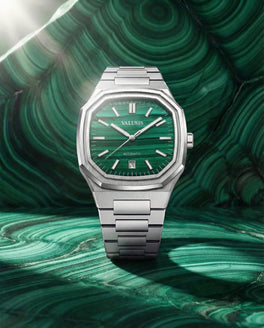
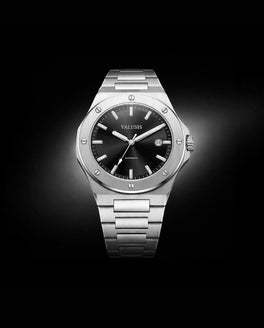
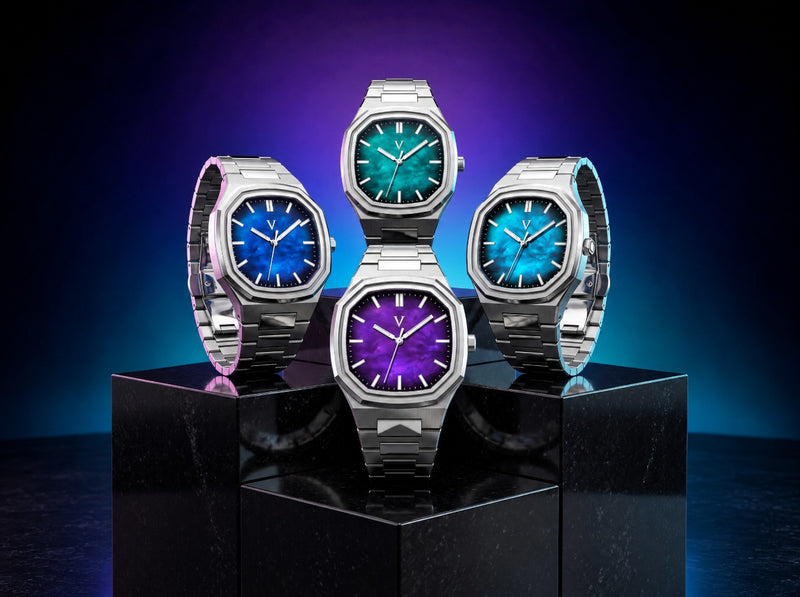
The case is the main body. It houses the movement and determines the shape — round, cushion, tonneau. Valusis uses an octagonal cushion case: architecturally distinctive, dimensionally balanced.

Case material defines longevity. 316L surgical steel is the baseline at Valusis. Cheaper watches use pot-metal alloys — lighter, softer, and visibly inferior after six months of wear.

THE DIAL
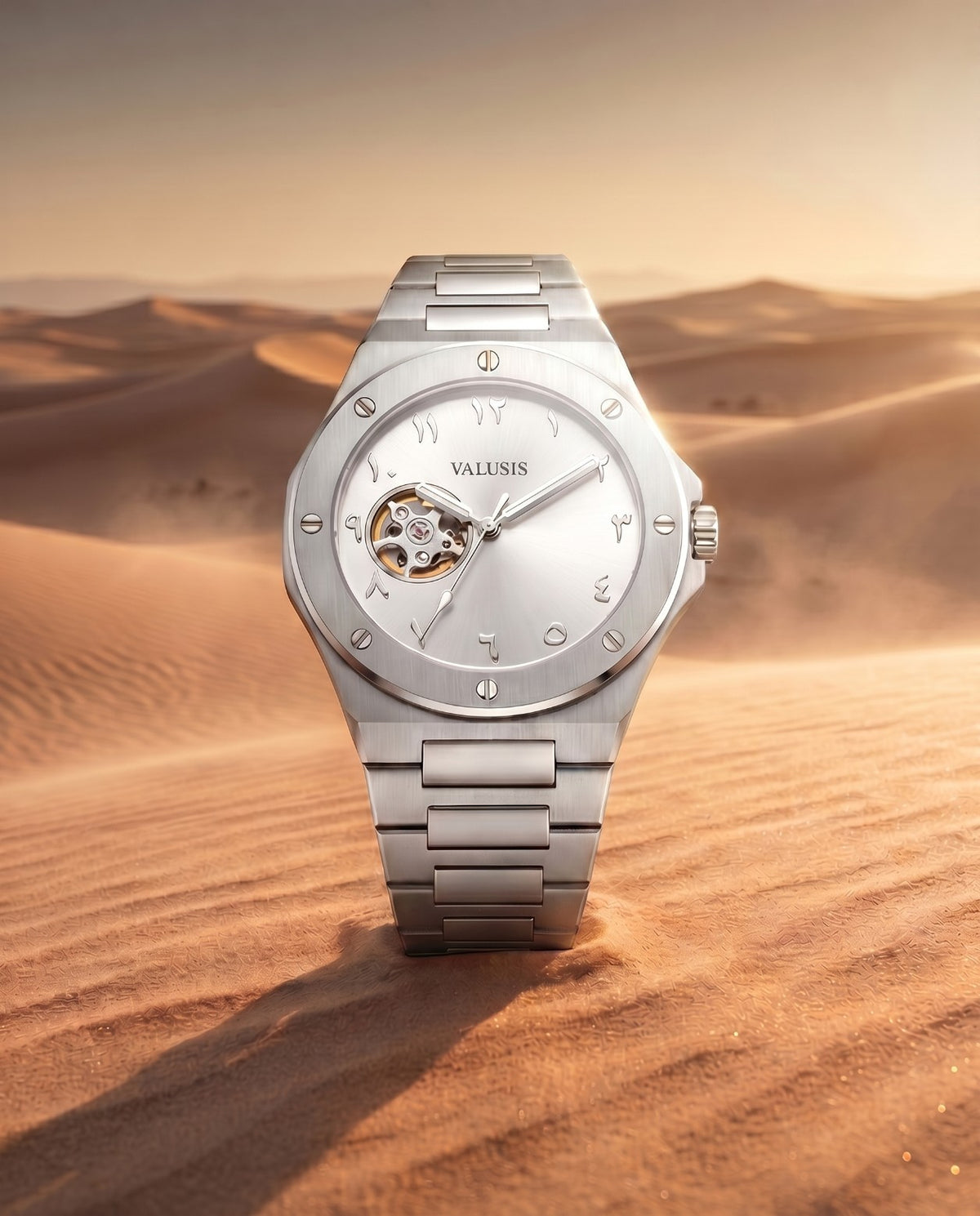
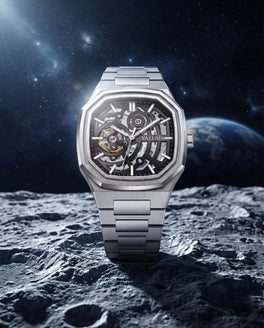
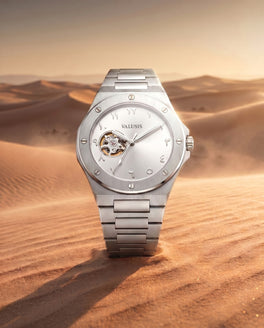
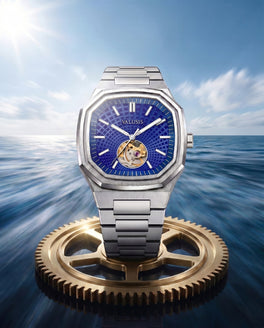
The dial is the face. It carries the time — and in some configurations, much more. A skeleton dial is an open-lattice structure that reveals the movement beneath. An open-heart dial has a single aperture at a specific position.

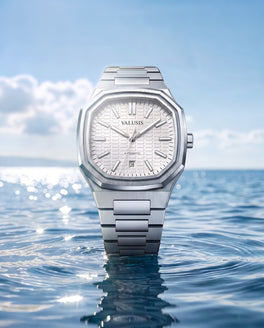
Indices are the hour markers. On Valusis, they're applied — each one individually set into the dial. Applied indices cast shadows. Printed indices are flat. The difference is visible under any light.

HANDS, CROWN & BEZEL
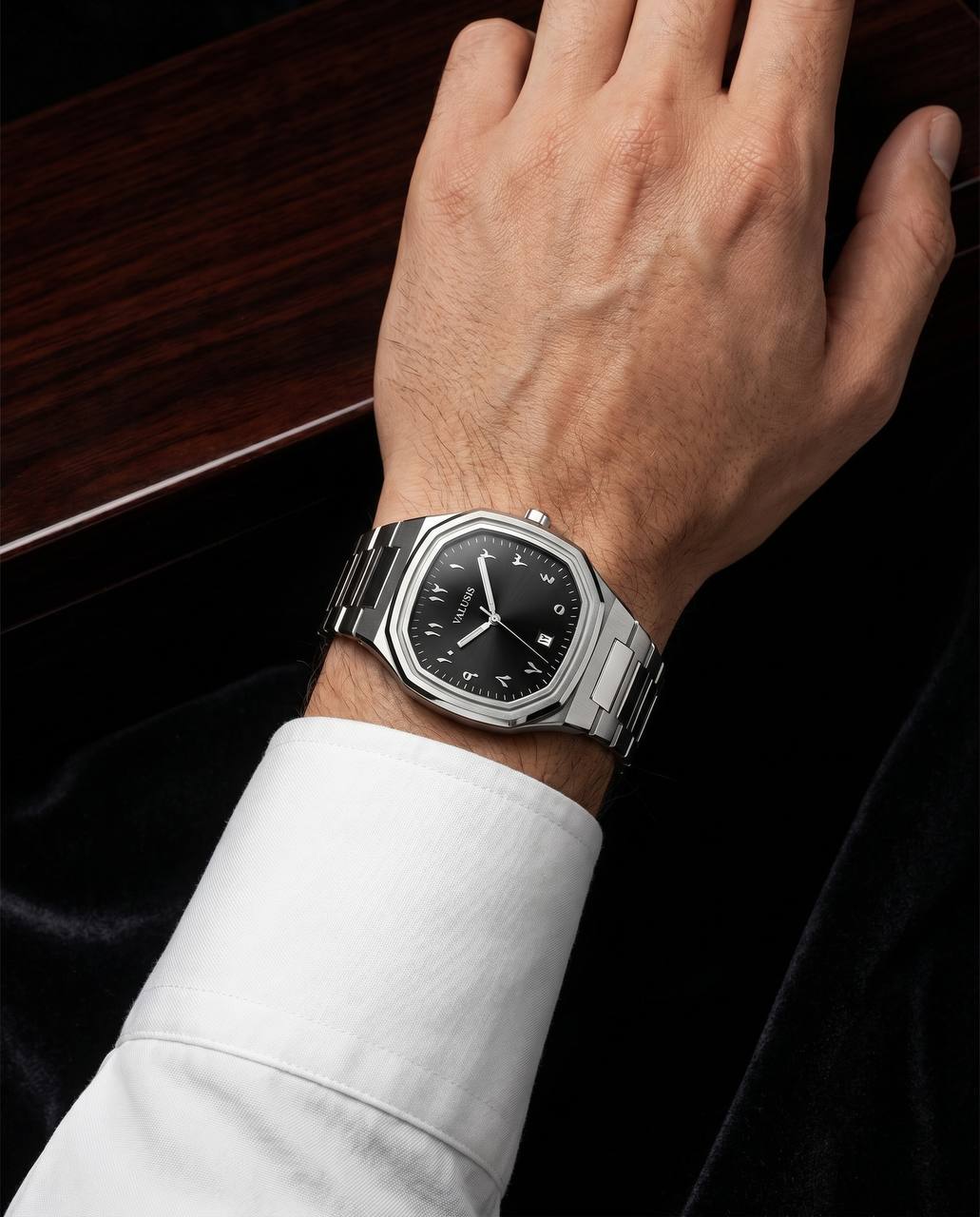
The hands point to hours and minutes. Valusis hands are sword-style — elongated, pointed, luminous-tipped for low-light reading. The crown is the push/pull mechanism at 3 o'clock: position 1 winds the movement manually, position 2 sets the time.

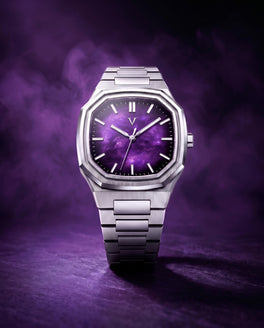
The bezel is the ring that frames the crystal. On the Volt, it follows the octagonal case shape — architectural, chamfered, alternately finished. Some sport watches have rotating bezels for elapsed time tracking. Valusis bezel is fixed.

LUG, CASEBACK & CLASP
Lugs are the extensions from the case that hold the bracelet or strap. Lug width determines which straps fit — typically 20mm or 22mm on Valusis models. Lug-to-lug distance determines how the watch sits on the wrist.

The caseback seals the movement. On open-caseback models, sapphire glass allows you to see the movement from the back. Closed casebacks carry engravings — on Valusis, the Dubai origin marking.
