





Is a Luxury Watch Worth It? An Honest Answer for 2026
Is a Luxury Watch Worth It? An Honest Answer for 2026
It's a question that generates strong opinions. Ask a watch enthusiast and they'll give you a philosophical argument about mechanical artistry and heirloom value. Ask a personal finance blogger and they'll tell you it's irrational consumer spending dressed up in leather and sapphire crystal.
The honest answer is more nuanced than either. Whether a luxury watch is "worth it" depends entirely on how you define luxury — and how you define worth.

What Does "Luxury Watch" Actually Mean?
The term "luxury watch" is doing enormous work in this conversation. It can mean a Rolex Submariner at USD 10,000. It can mean an A. Lange & Söhne at USD 50,000. Or it can mean any watch that is more than a cheap fashion accessory — a piece with real movement engineering, quality materials, and intentional design.
If you're asking whether a Rolex is worth it, the answer is: probably yes, as an investment asset and status marker, but only if you have disposable income that makes USD 10,000 a trivial purchase. For most people, that's not the relevant question.
The more useful question is: is a watch in the USD 400–800 range — real automatic movement, sapphire crystal, quality finishing — worth buying instead of a USD 50 fashion piece? And to that, the answer is clearly yes.
The Economics of a Real Automatic Watch
A well-made automatic watch at USD 500 will, with a service every 8–10 years (cost: USD 150–250), last 30–50 years. Possibly longer. Over 30 years, that's an annualised cost of roughly USD 20–25 per year, plus the cost of two services.
A USD 50 fashion watch typically lasts 2–3 years before the quartz movement fails, the plating wears off, or the crown stops functioning. Over 30 years, you'll buy 10–15 of them. The total spend is comparable — but the fashion watches leave nothing behind.

The Emotional ROI
This is where the calculation gets interesting, because it's not only about money. A watch you care about — one with a movement you can see working, a dial that catches different light throughout the day, a history of being worn to meaningful events — generates a different category of value entirely.
You put it on in the morning and it feels like a deliberate choice. You take it off at night and place it somewhere specific. Other people notice it. It starts conversations. It becomes, over time, associated with moments, decisions, and phases of your life in a way that nothing digital ever does.
That's not sentimentality. That's an honest accounting of what a good watch does that a phone can't.
The Rolex Trap
Many men approach the watch conversation with a binary frame: either they buy a cheap quartz piece, or they save for a Rolex. Neither extreme is optimal for most people.
The USD 400–800 bracket is the sweet spot — and it's where the value-per-dollar curve peaks. Below this range, movement quality and finishing drop sharply. Above USD 1,500, you're paying increasingly for brand heritage and status rather than additional mechanical quality.
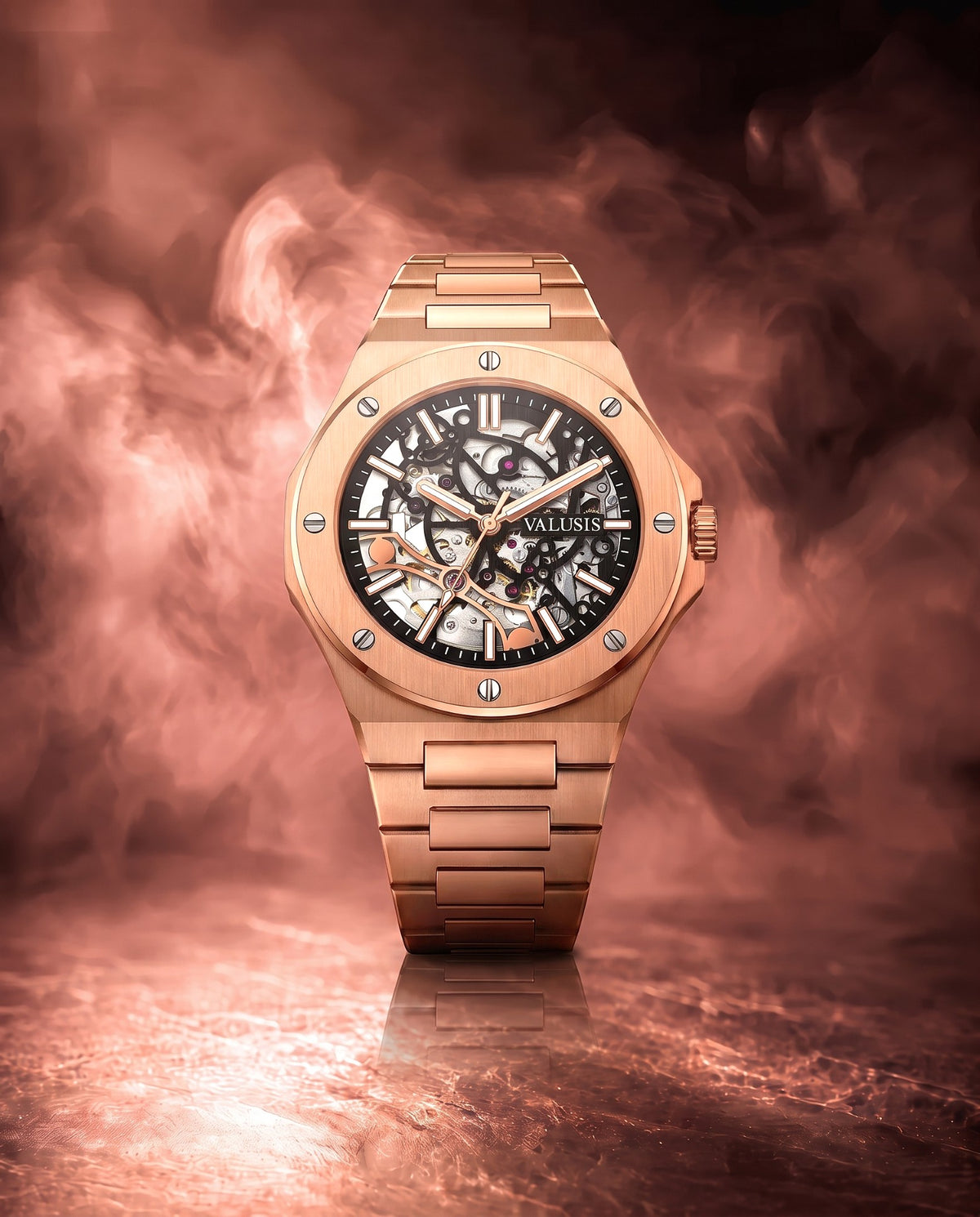
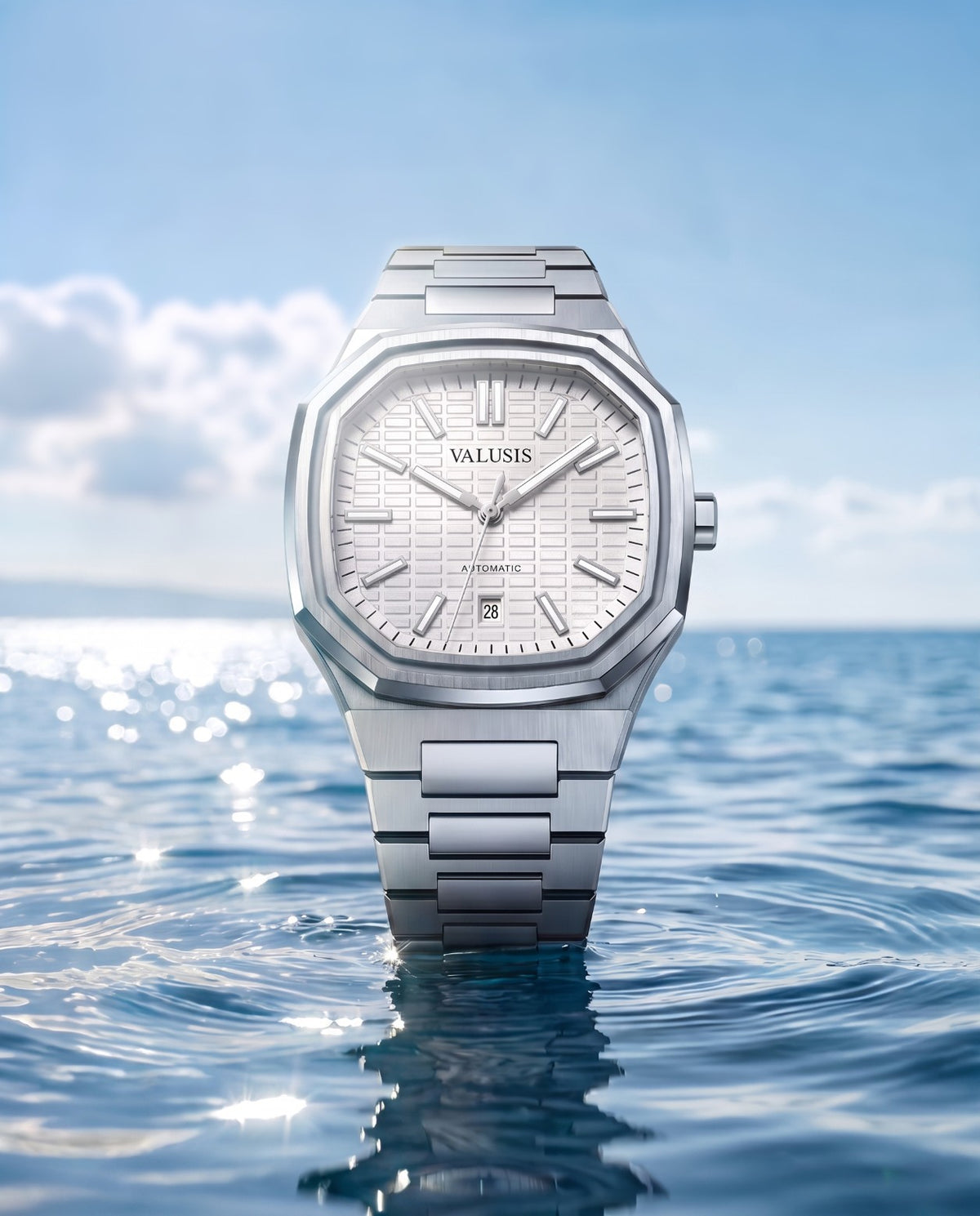
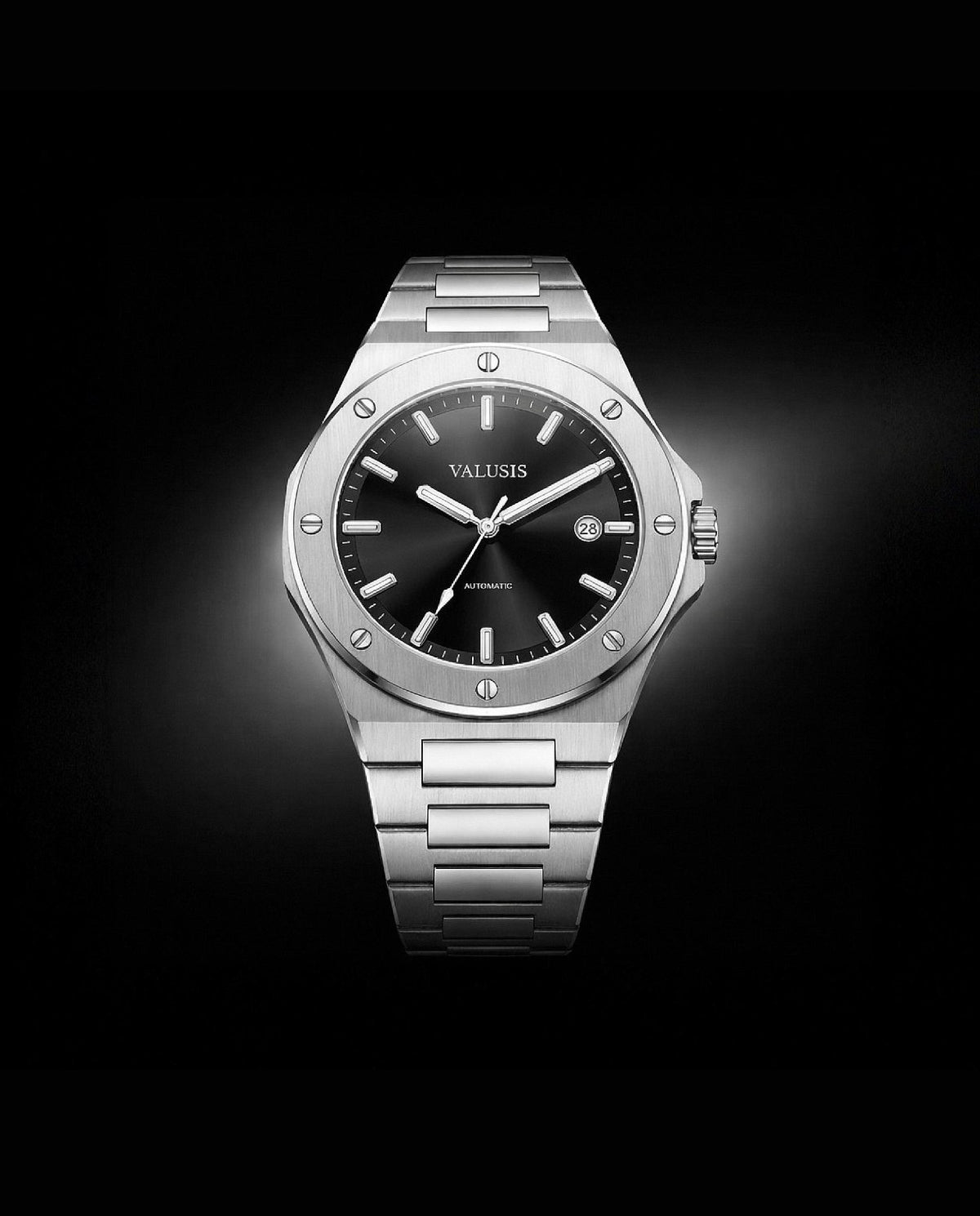
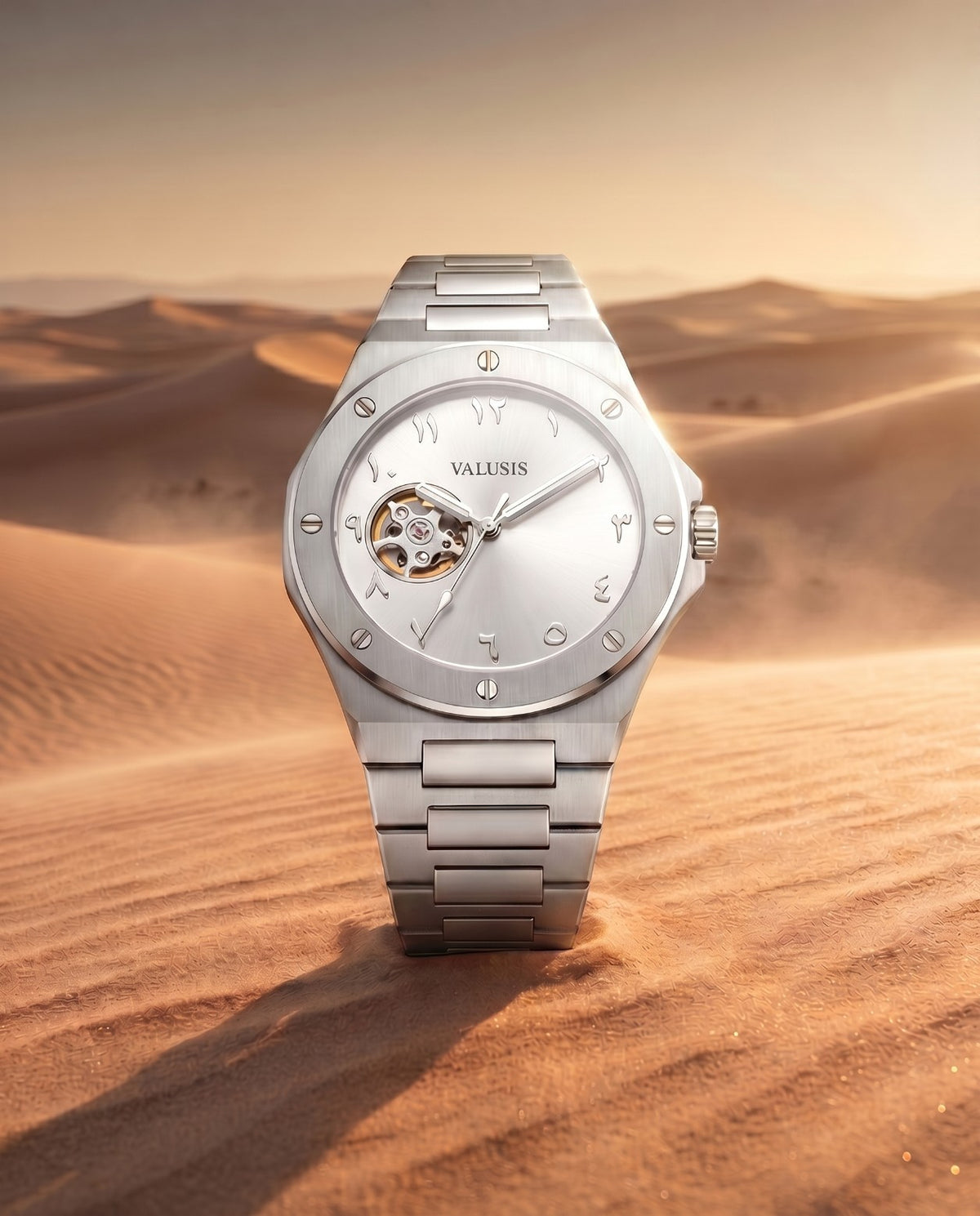
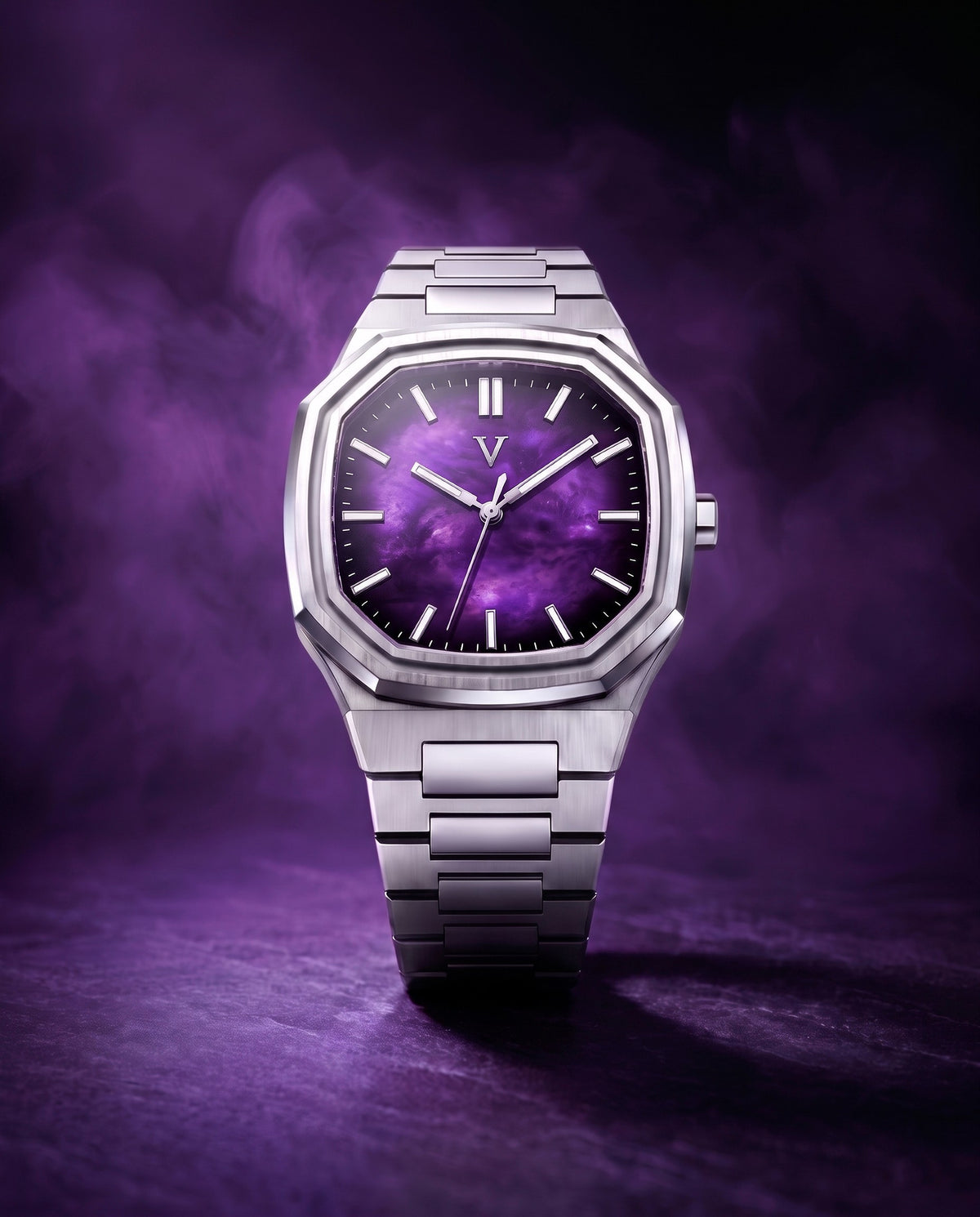
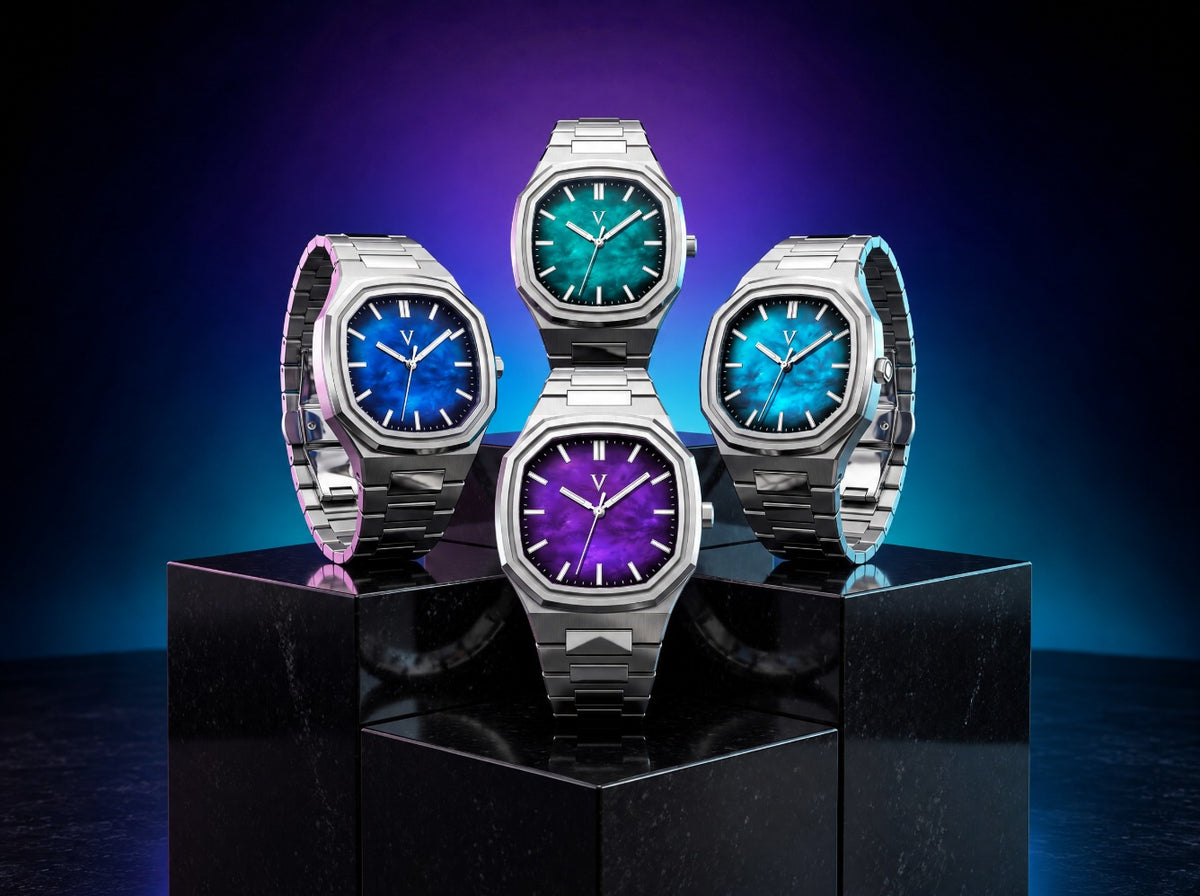
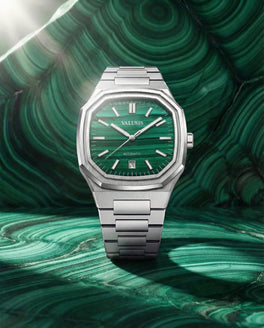
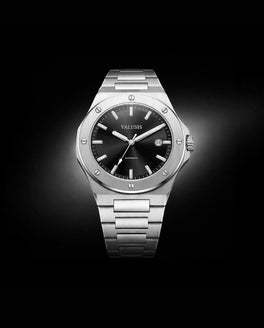
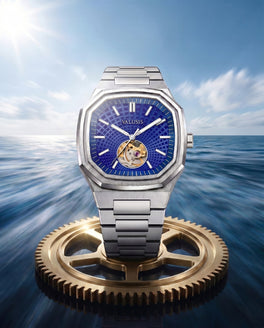
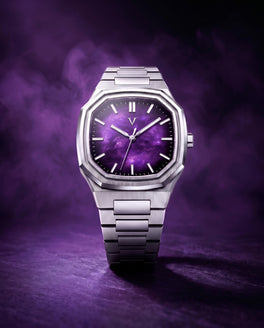
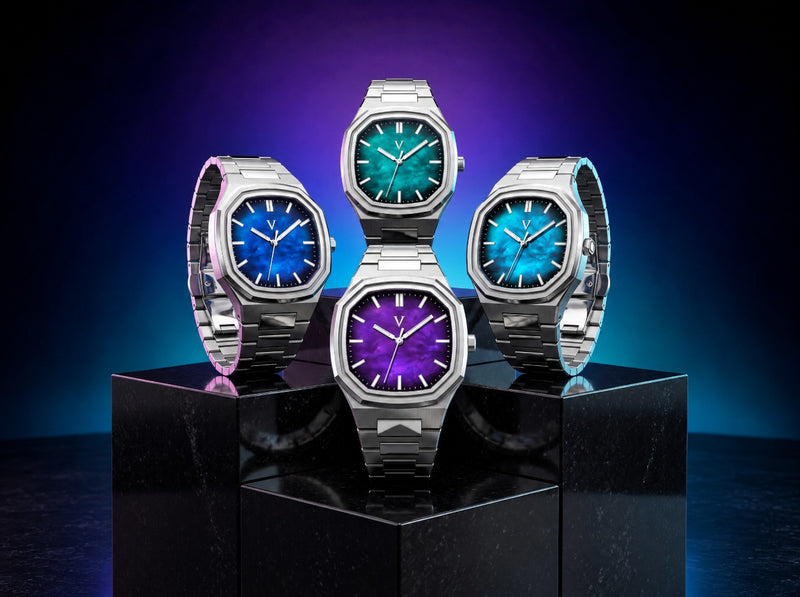
Brands like Valusis have made the USD 400–800 bracket genuinely compelling. You get automatic movements — Miyota from Japan or Swiss SW200 — that are used in watches costing considerably more. You get sapphire crystal. You get 10ATM or 20ATM water resistance. You get designs that hold up against pieces at triple the price.
Is It an "Investment"?
Unless you're buying a Rolex Daytona or a pre-owned Patek in mint condition, a watch is not a financial investment. It is an experiential investment — one that pays dividends in daily pleasure, self-expression, and the quiet confidence of wearing something that is exactly what it claims to be.
A watch in the USD 400–800 range from a brand like Valusis will not appreciate in value the way a Rolex will. It will hold its value reasonably if well maintained. But that's the wrong metric. The right metric is: did this watch serve you well, for a long time, and did it mean something?
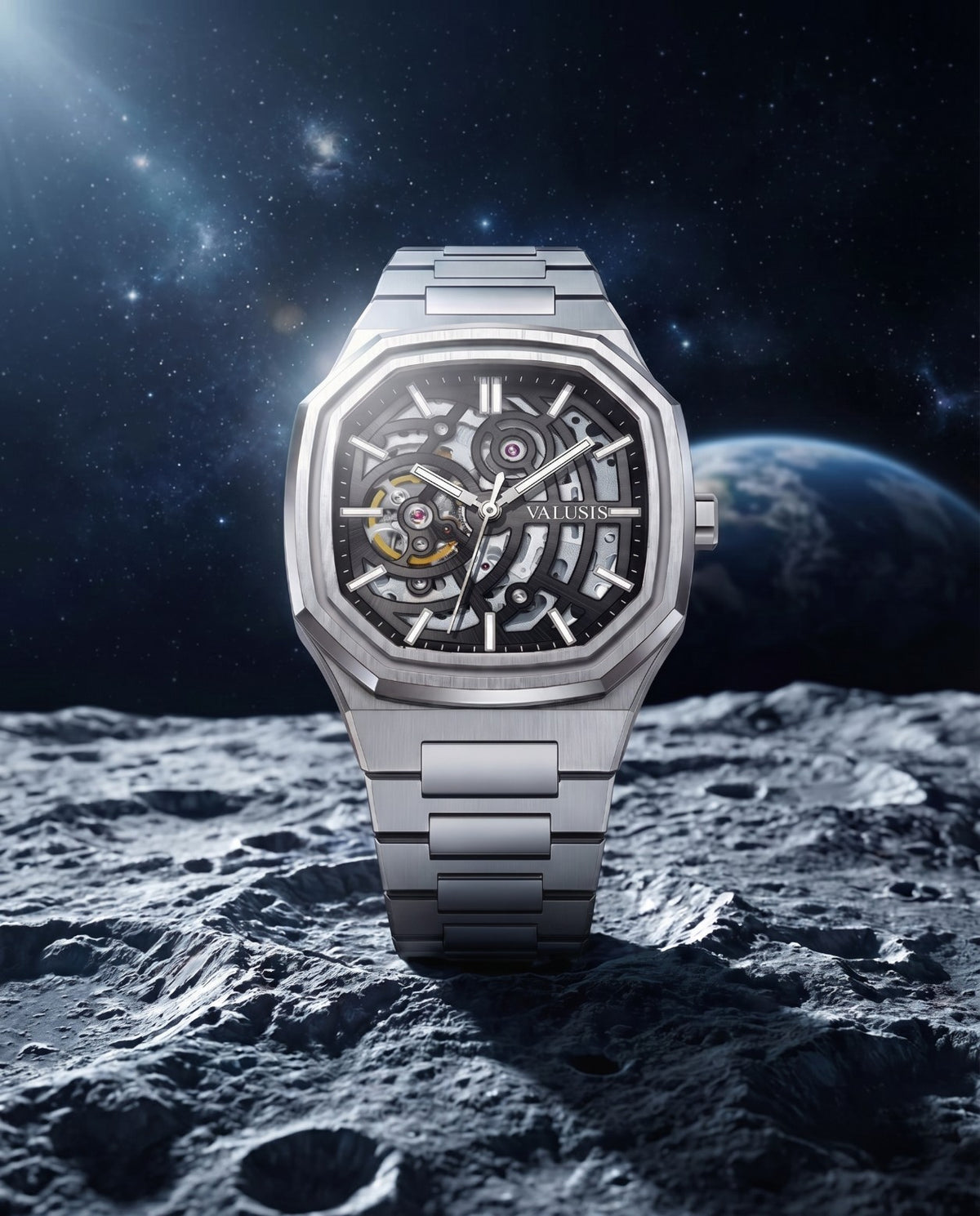
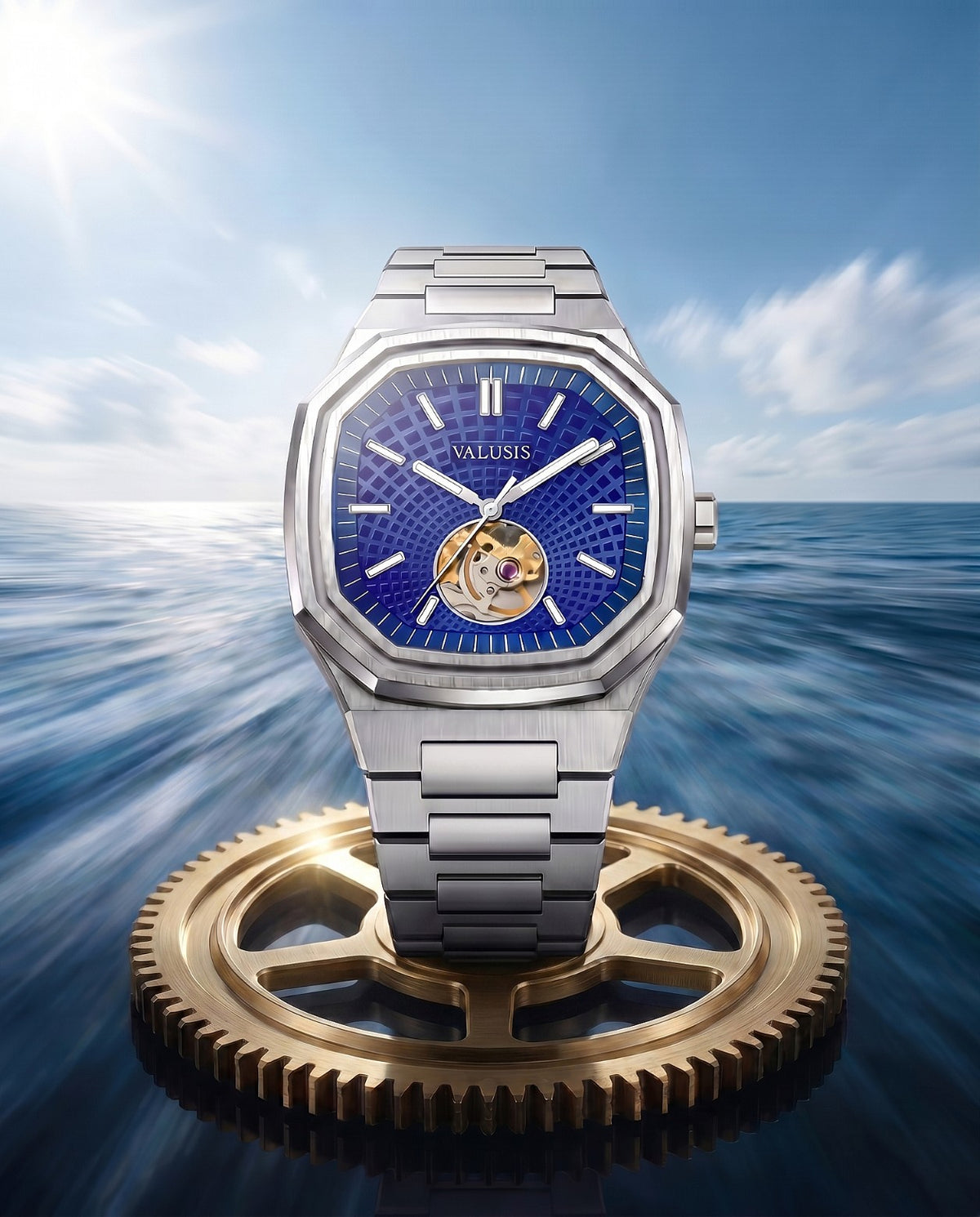
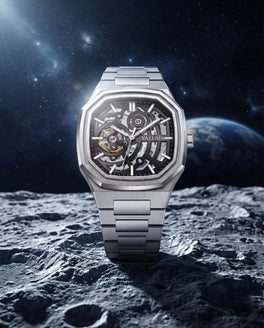
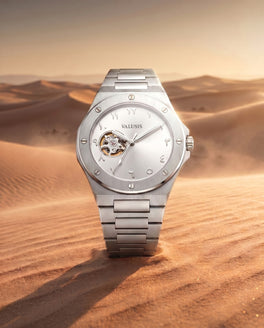
"At USD 600, the Valusis Volt Skeleton isn't a compromise. It's a decision — to own something real, something mechanical, something that doesn't need a charger." — Valusis, Dubai
Our Recommendation
If you're asking whether a luxury watch is worth it, you're probably not asking about a Rolex. You're asking whether it's worth stepping up from fashion-brand territory into something with real mechanical substance.
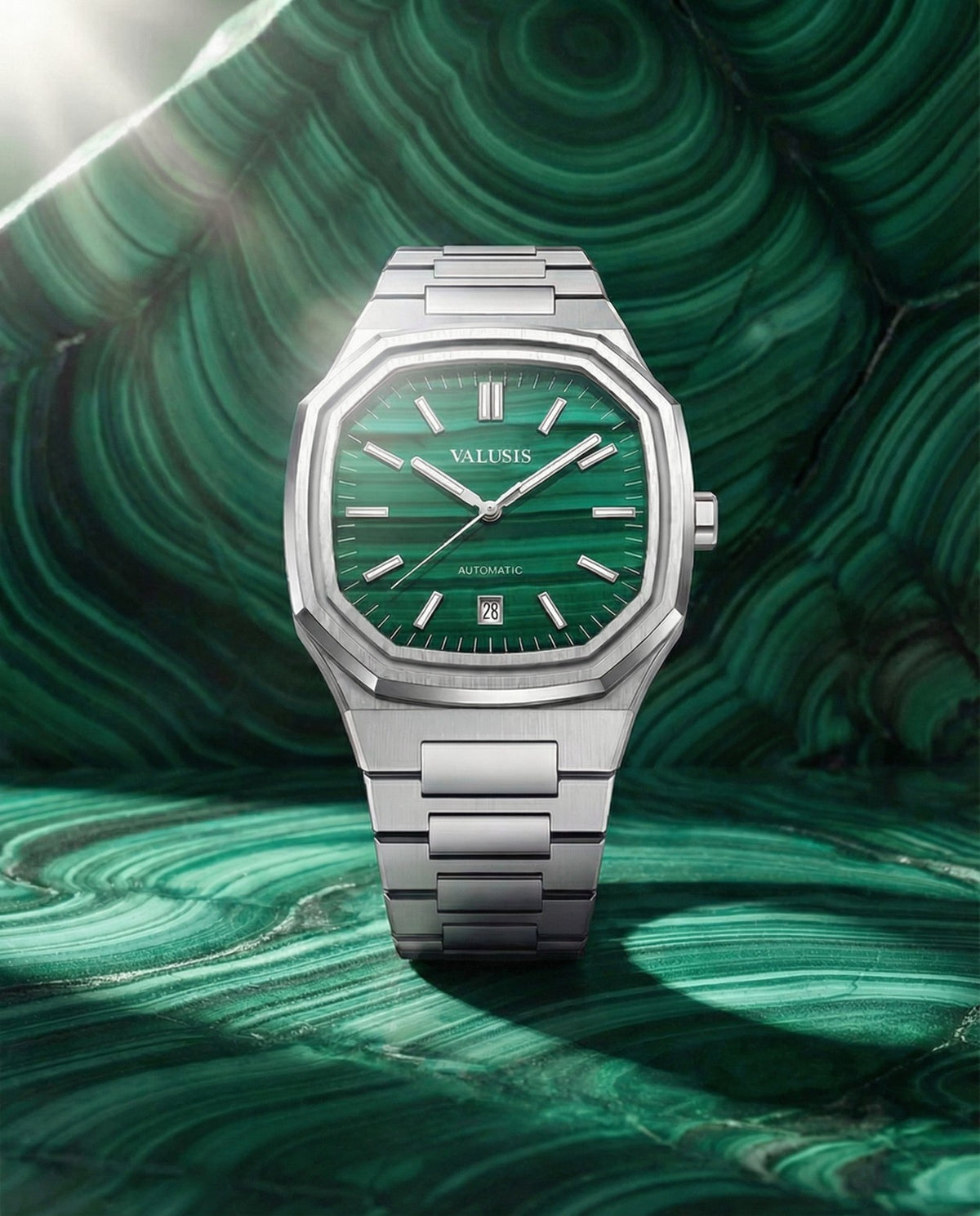
The answer is yes. And the Valusis range — starting at USD 210, reaching USD 600 for the Volt Skeleton and USD 800 for the Tiger Eye — is one of the best arguments for that decision you'll find anywhere in this price bracket.
Valusis Quick Specs
- Volt Skeleton — USD 600 | Japanese Miyota automatic | Sapphire crystal | 10ATM
- Tiger Eye — USD 800 | Swiss SW200 | Natural tiger eye dial | Sapphire crystal | 20ATM
- Entry price — from USD 210
- Founded — 2019, Dubai UAE (Valusis LLC-FZ)
- Reviews — 917 five-star reviews | 3 industry awards