





The Skeleton Watch: History & Craft
NOTHING HIDDEN
THE SKELETON WATCH:
HISTORY & CRAFT
Skeleton watchmaking began as an act of confidence. If the movement is worth wearing, show it.
 SHOP SKELETON WATCHES
THE ORIGINS
Skeleton watches emerged in 18th-century France as proof of craft. Removing all non-essential material from a movement — while keeping it running — is a demonstration of mastery.

At the time, skeleton pieces were reserved for royalty — not for gold and jewels, but because of the skill required. A watchmaker who could skeleton a movement was considered elite.

THE MODERN REVIVAL
Skeleton fell from fashion in the 20th century as mass production made movements invisible by default. The 2000s revival was a reaction — a rejection of the black-box watch.

Today skeleton is the most requested complication under $1,000. People want to see what they're wearing. They want proof that something real is happening inside.

THE VALUSIS APPROACH
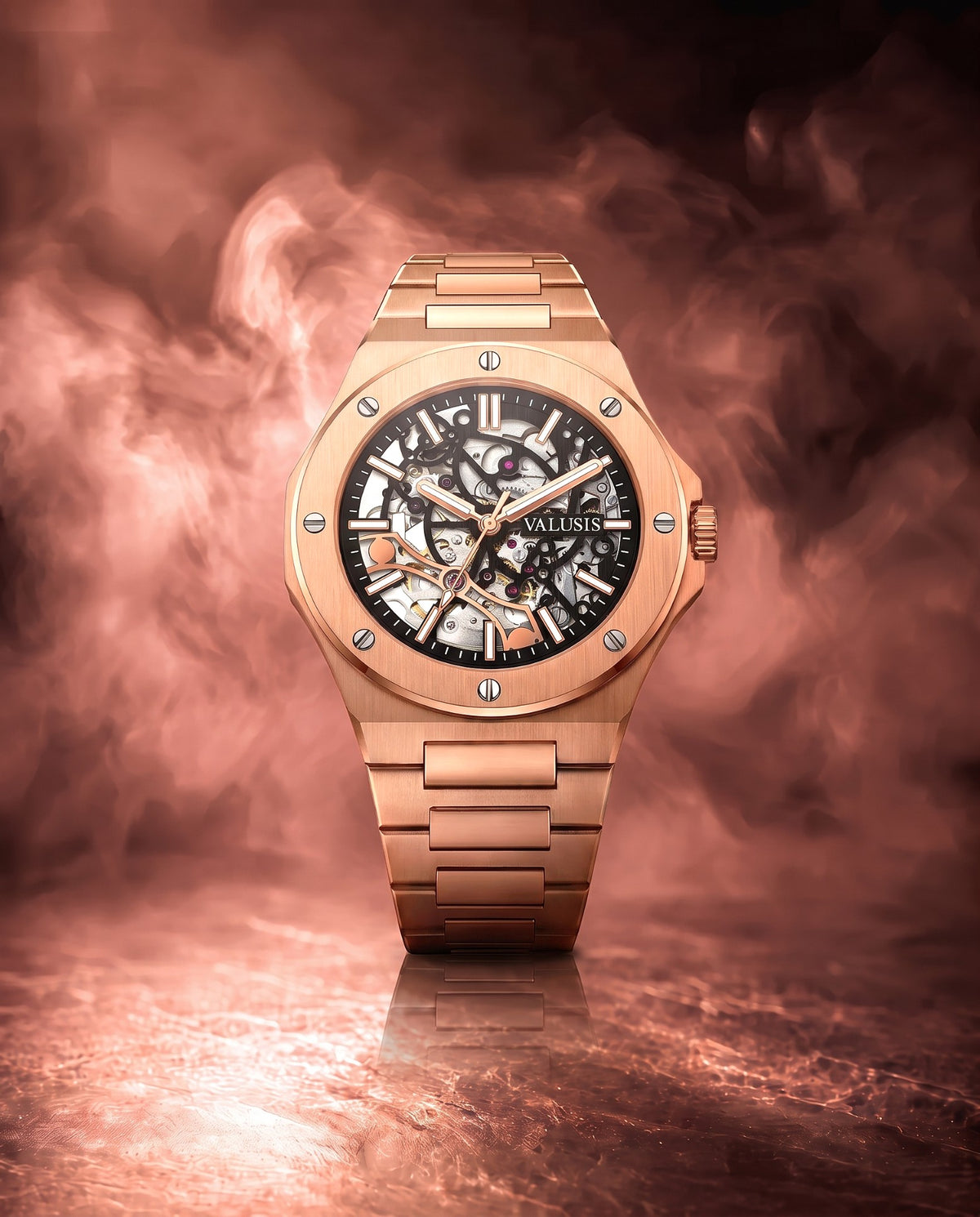
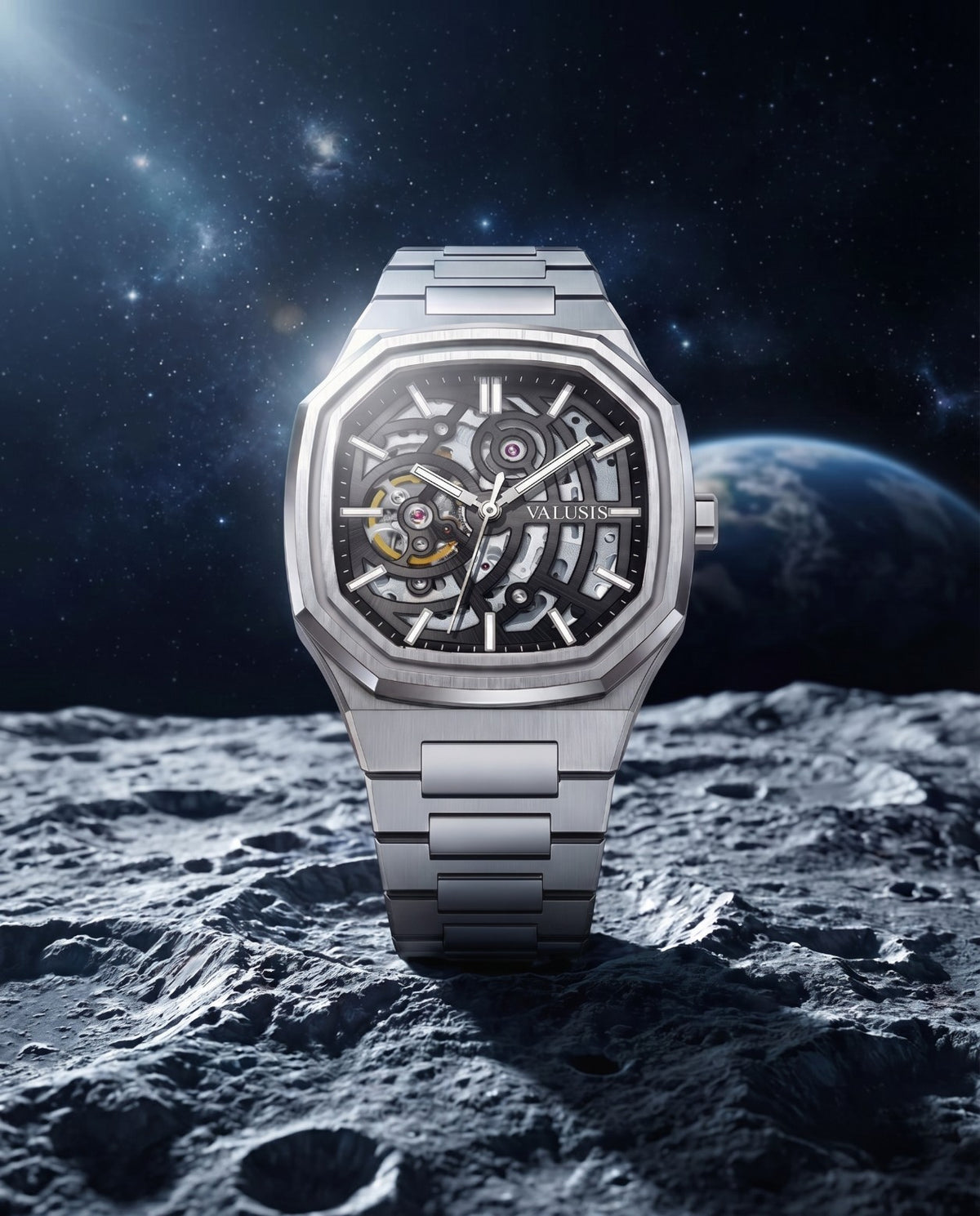
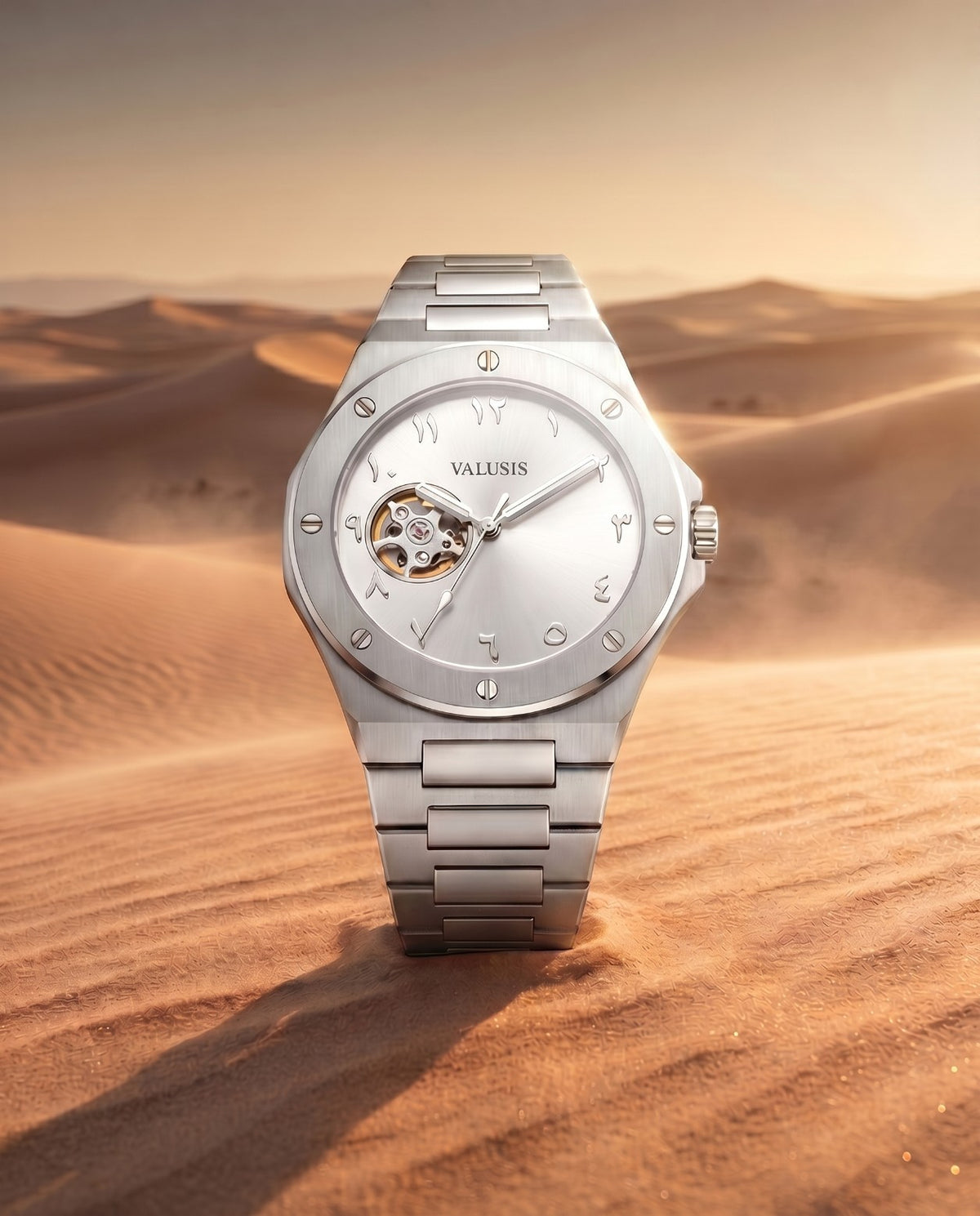
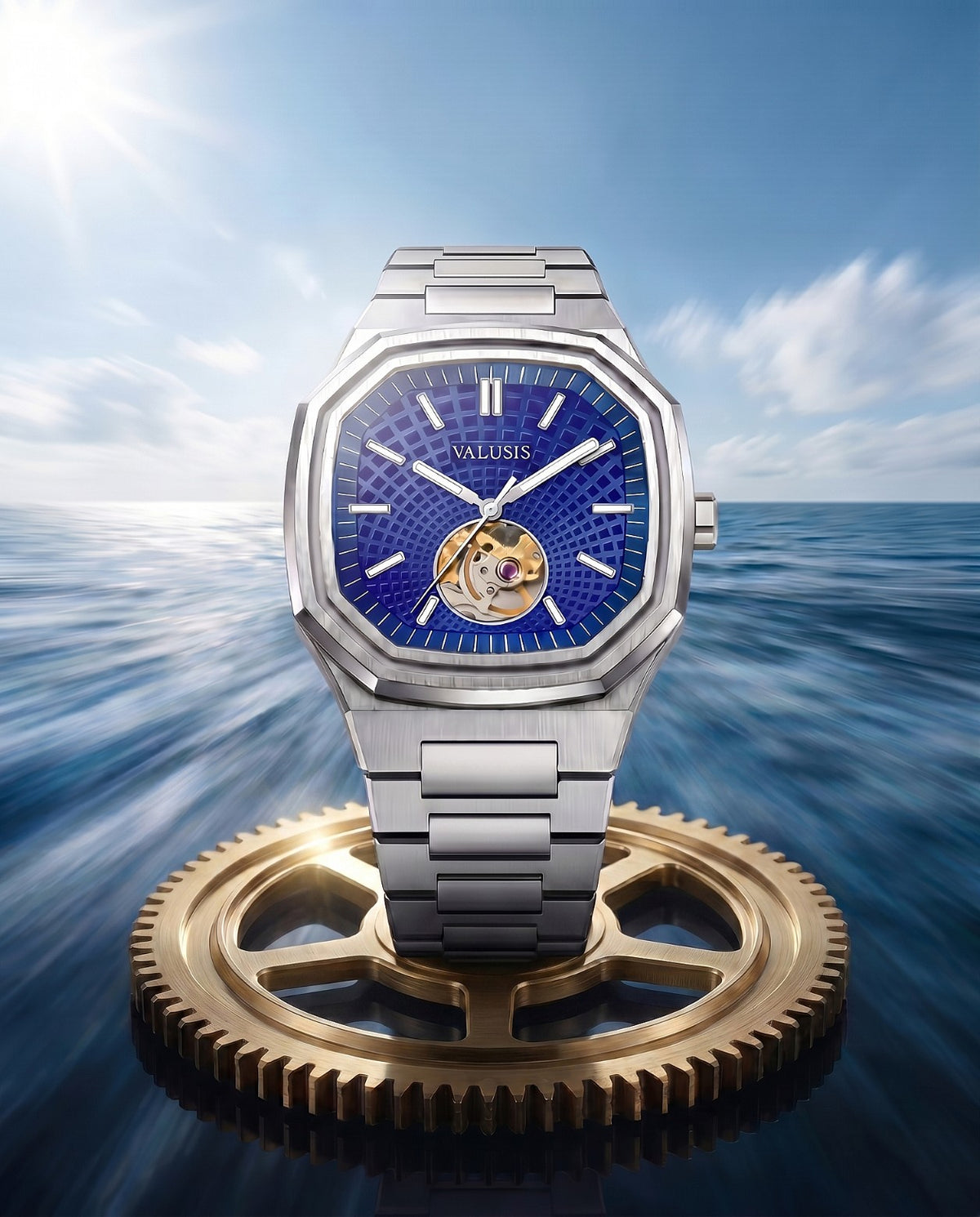
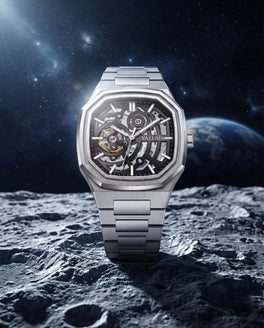
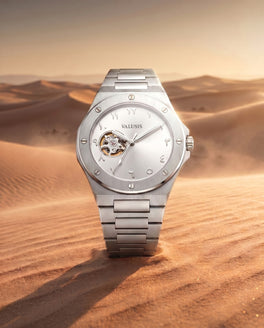
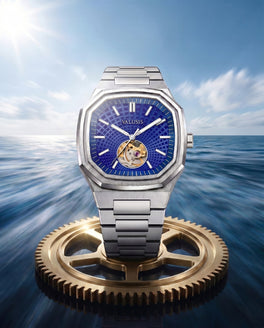
The Volt Skeleton uses an NH70 — 21 jewels, fully skeletonized bridges, visible balance wheel and escapement. Every component that could be removed has been. What remains is mechanical art.

The Skeleton II adds two-tone silver and rose gold accents on the bridges and rotor. A more formal execution of the same idea. Both sit under anti-reflective sapphire crystal.
