





The Anatomy of a Watch
KNOW WHAT YOU'RE WEARING
THE ANATOMY
OF A WATCH
Every part of a watch has a name. Every name has a purpose. Here's a complete breakdown.
 EXPLORE THE COLLECTION
THE CASE
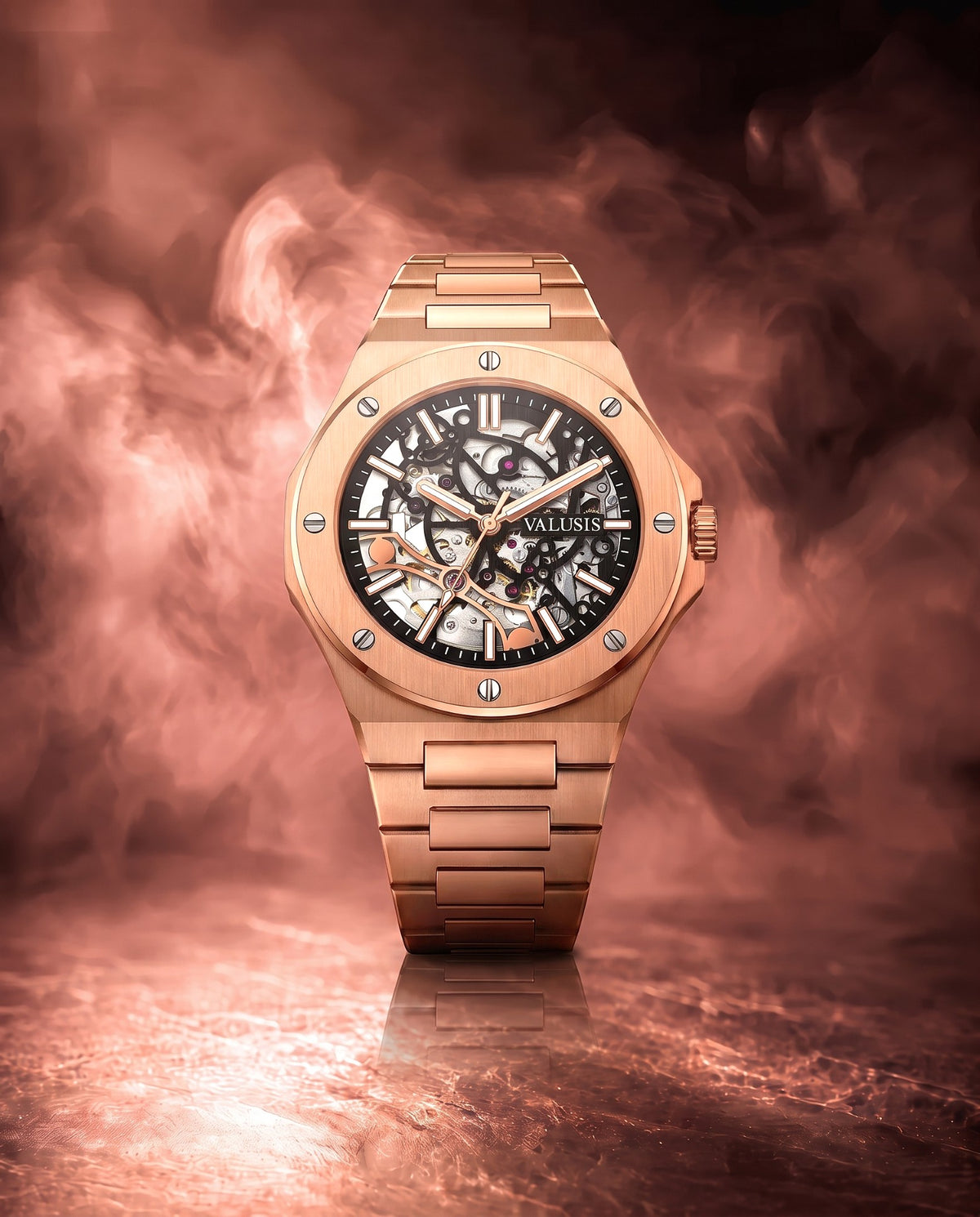
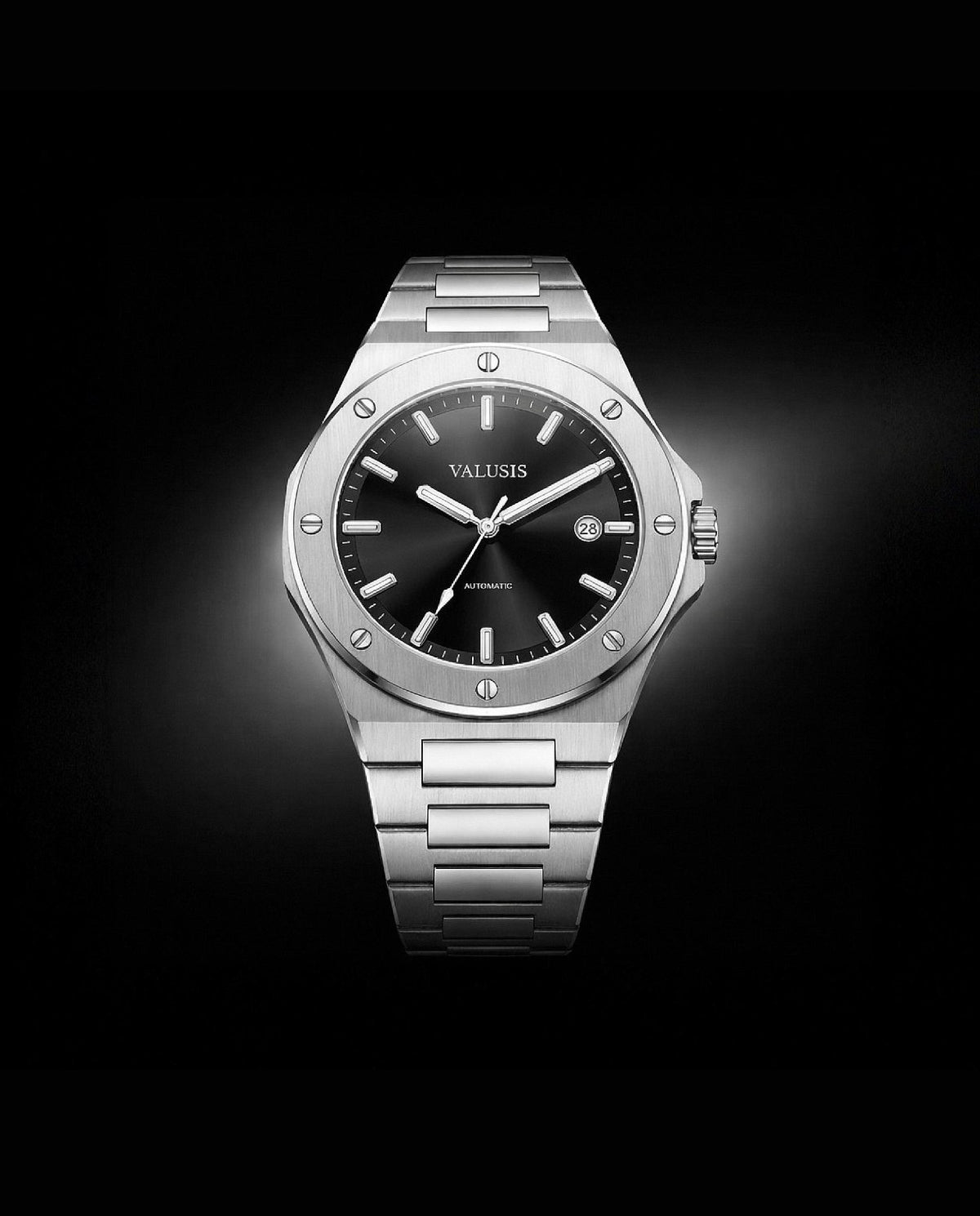
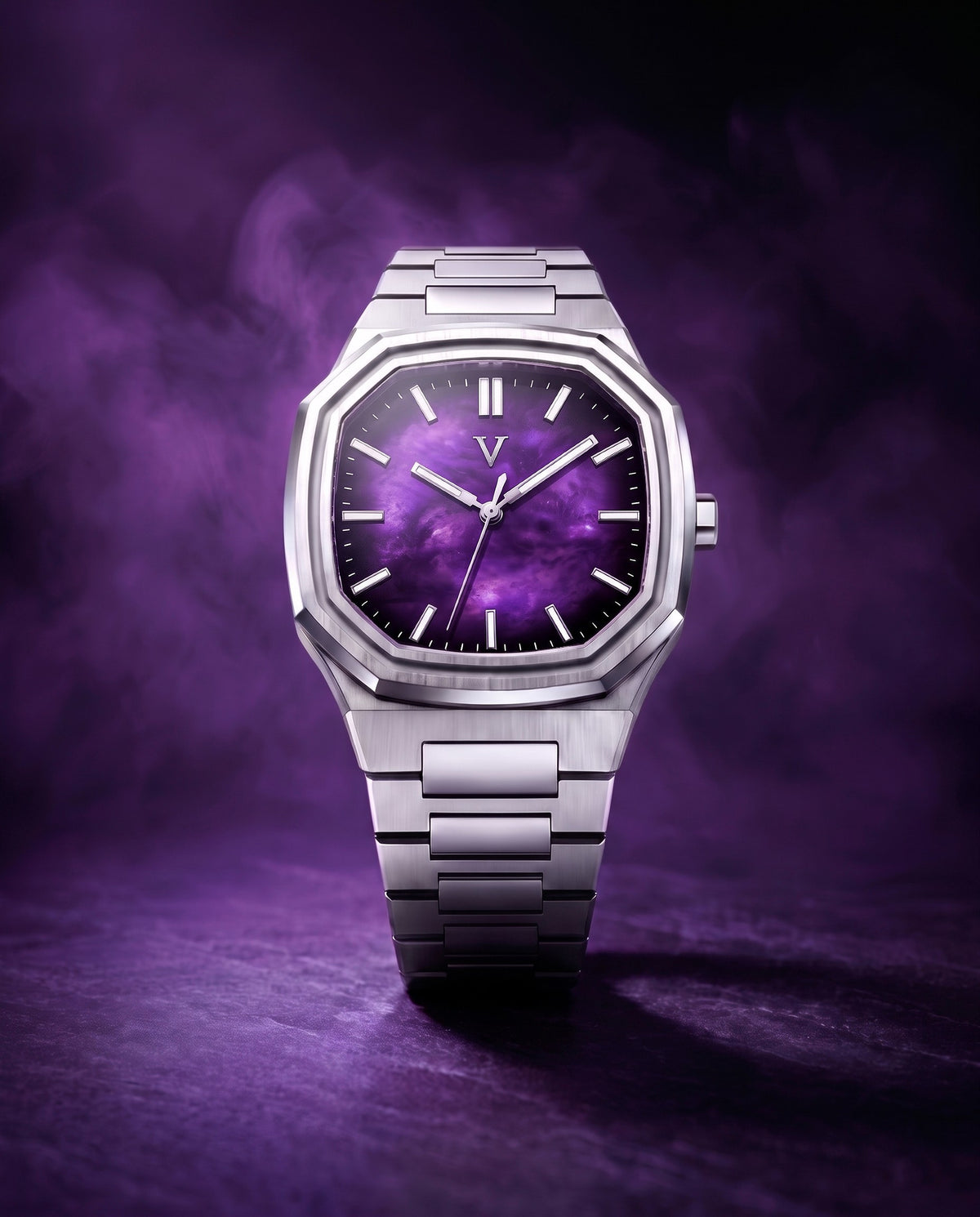
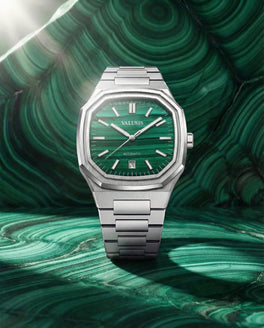
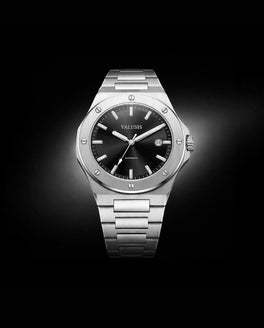
The case is the outer shell that houses the movement and protects everything inside. Valusis uses 316L surgical-grade steel — the same grade used in medical implants.

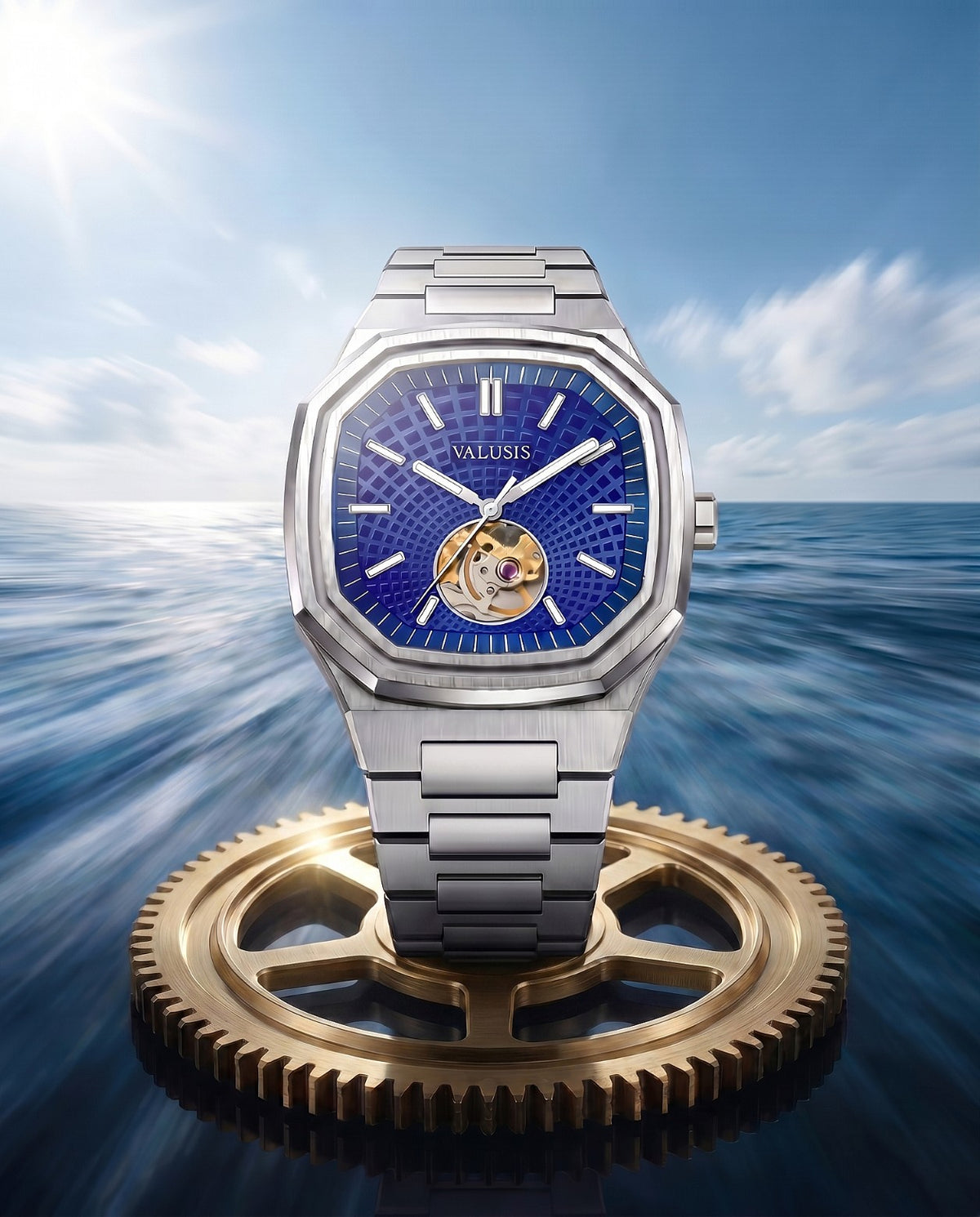
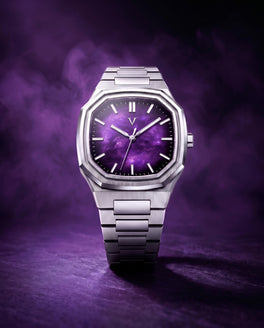
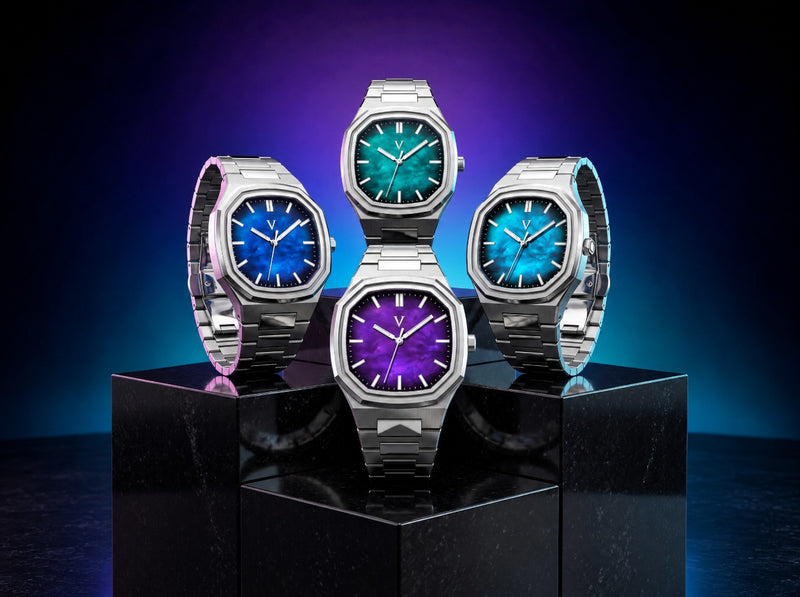
The octagonal cushion shape isn't just aesthetic. Every edge is bevelled, alternating between brushed and polished surfaces. This is finishing work most brands skip at this price point.

THE DIAL
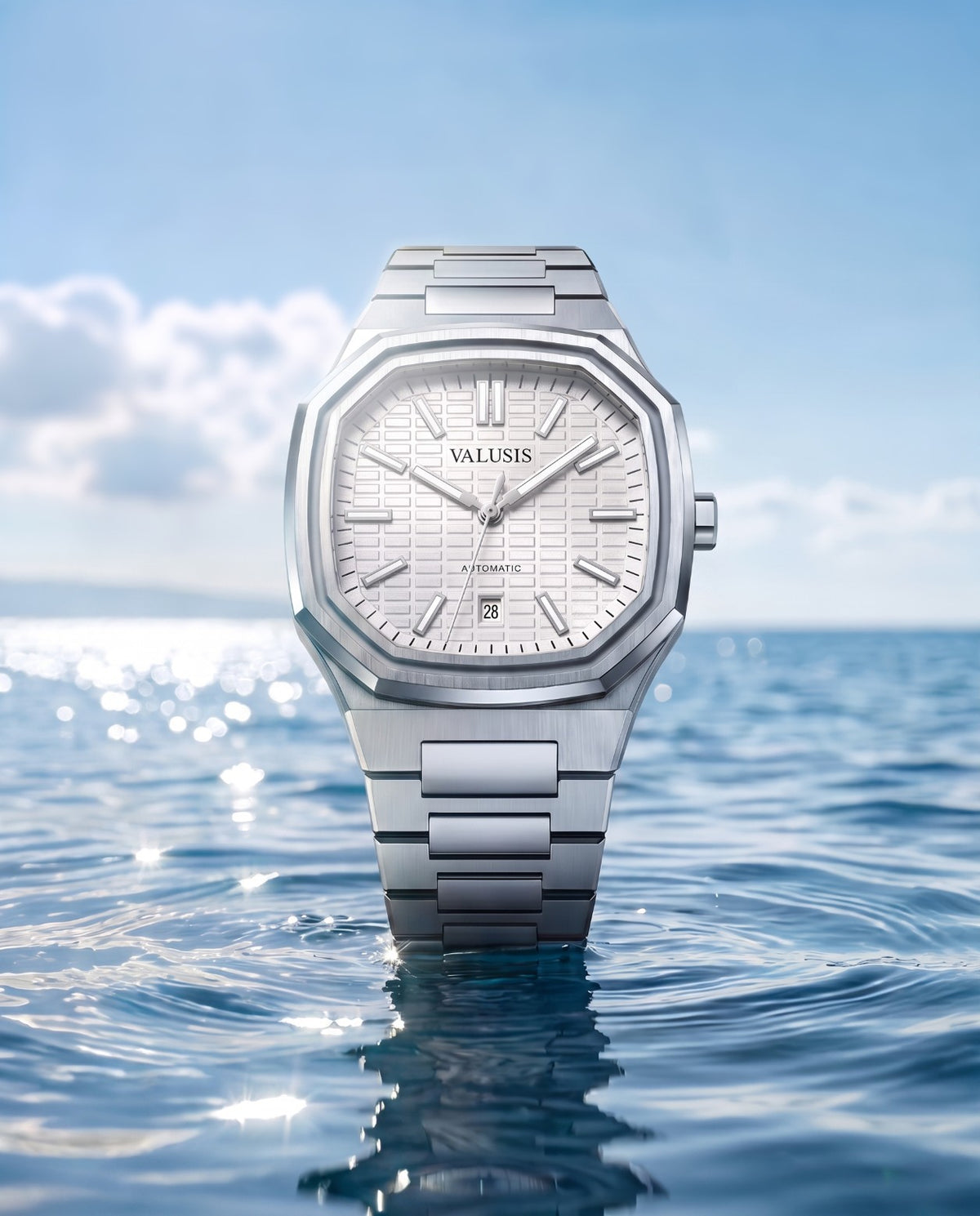
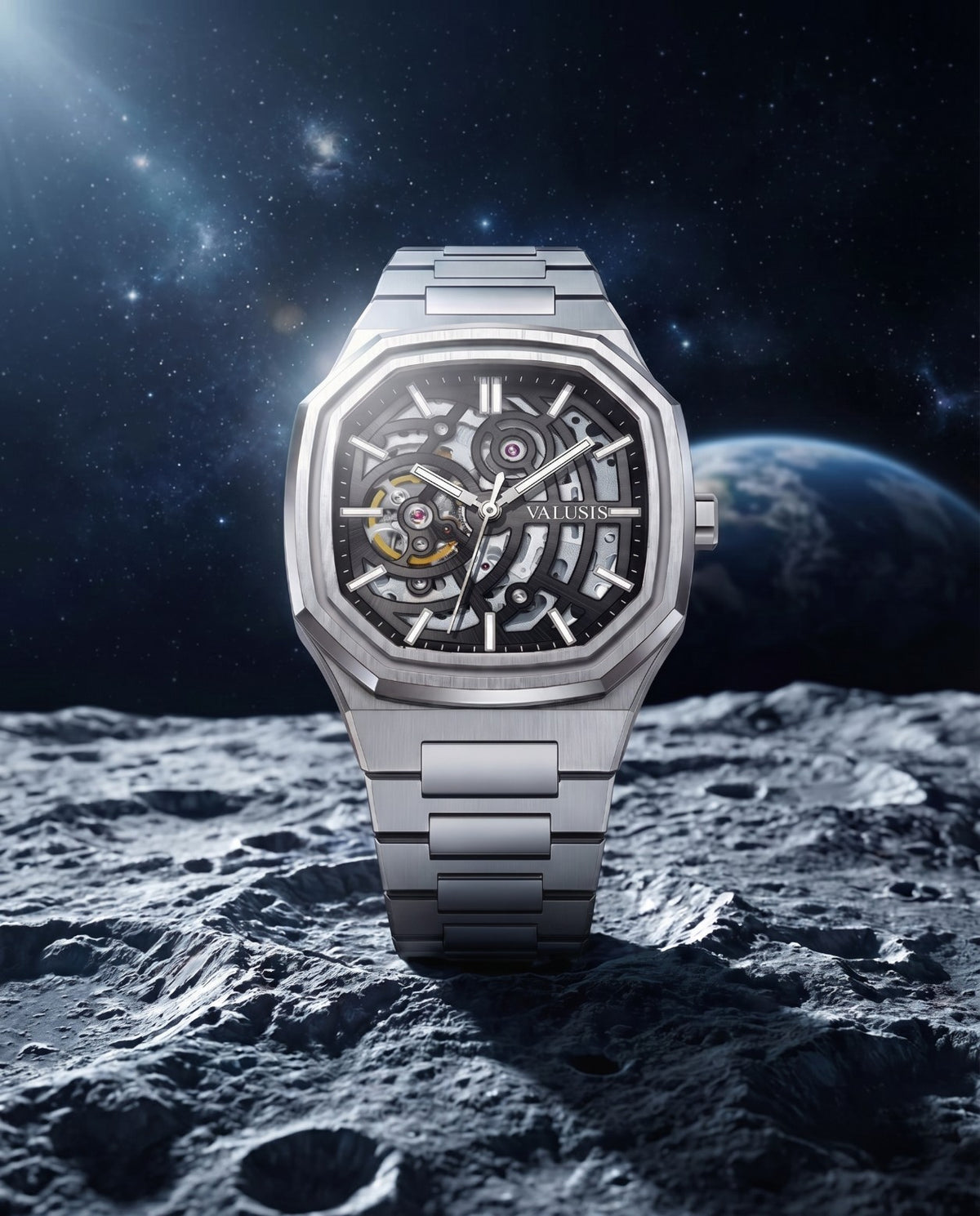
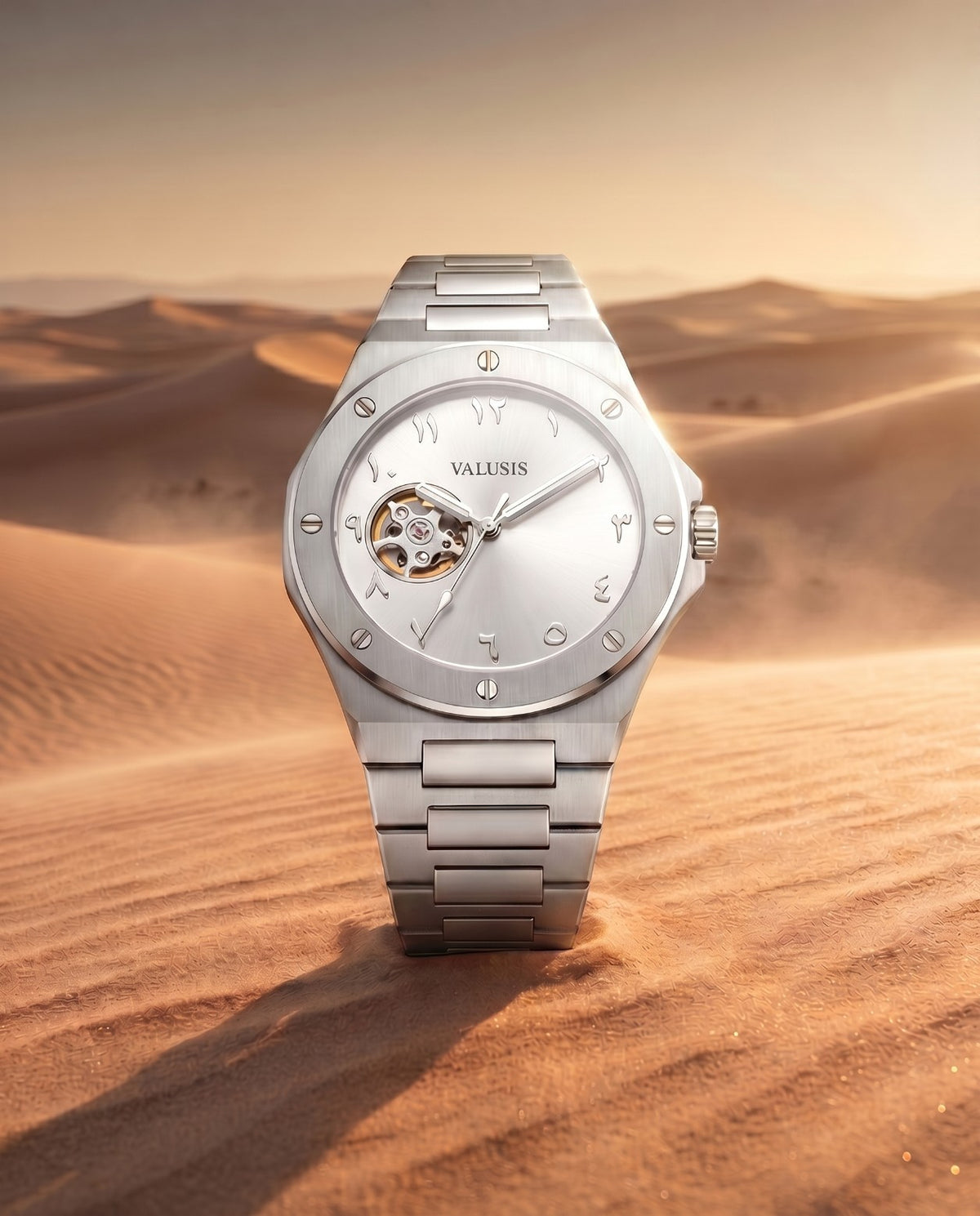
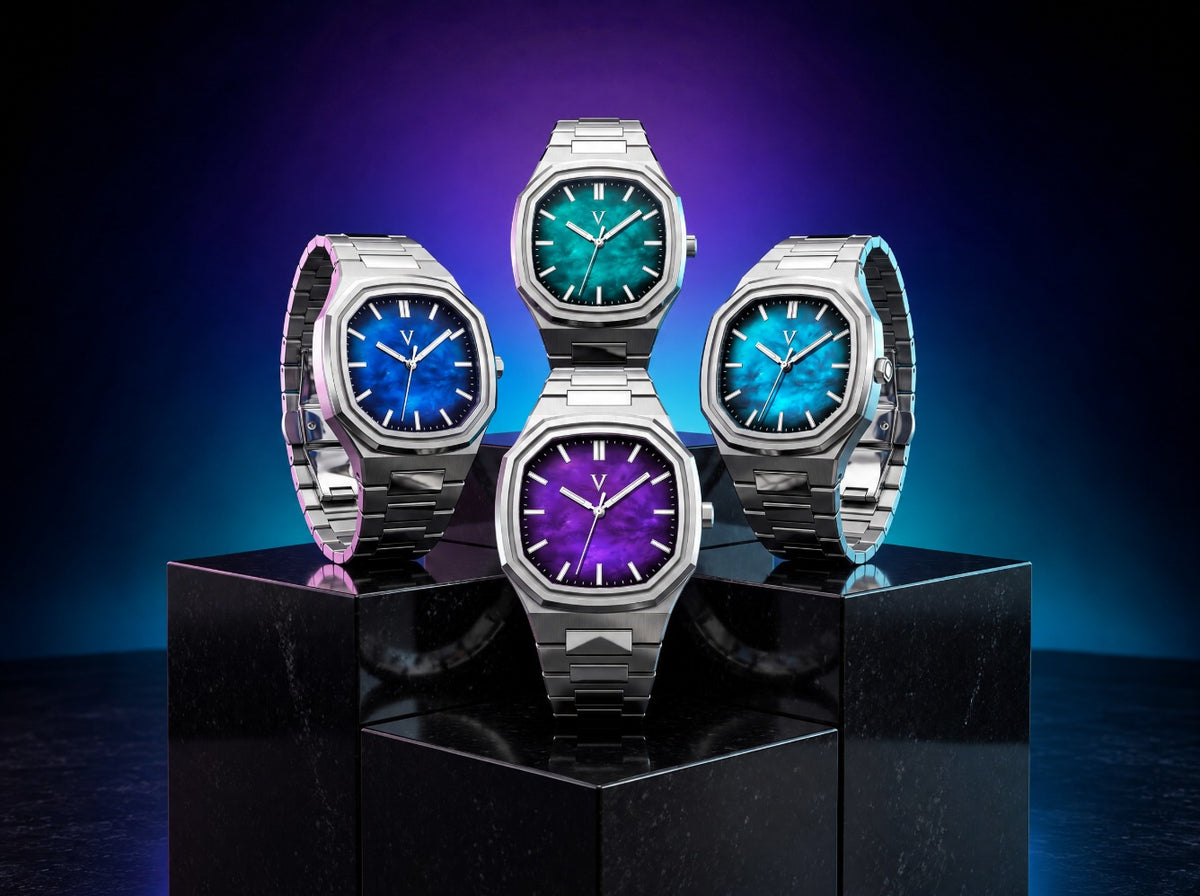
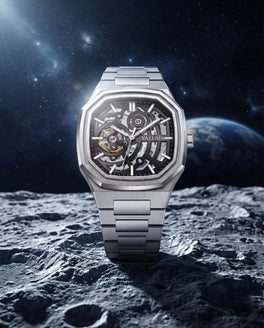
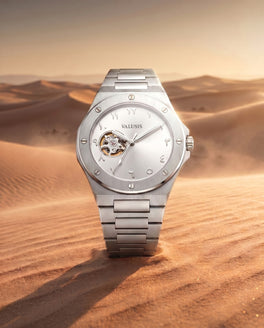
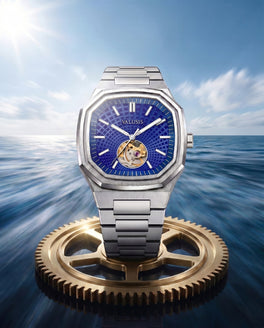
The dial is the face of the watch. It carries the hours, minutes, sometimes date — and on skeleton models, an open window into the movement itself.

Hour markers are called indices. On Valusis watches they're applied individually to the dial — not printed. Applied indices catch the light. Printed ones don't.
THE BEZEL, CROWN & CASEBACK
The bezel frames the crystal. The crown at 3 o'clock is how you set the time. On Valusis, both are finished with the same care as the rest of the case.

The caseback seals the movement. Some Valusis models have a transparent sapphire caseback — you can see the rotor spinning from the back. Others carry the solid steel Dubai engraving.

THE BRACELET & CLASP
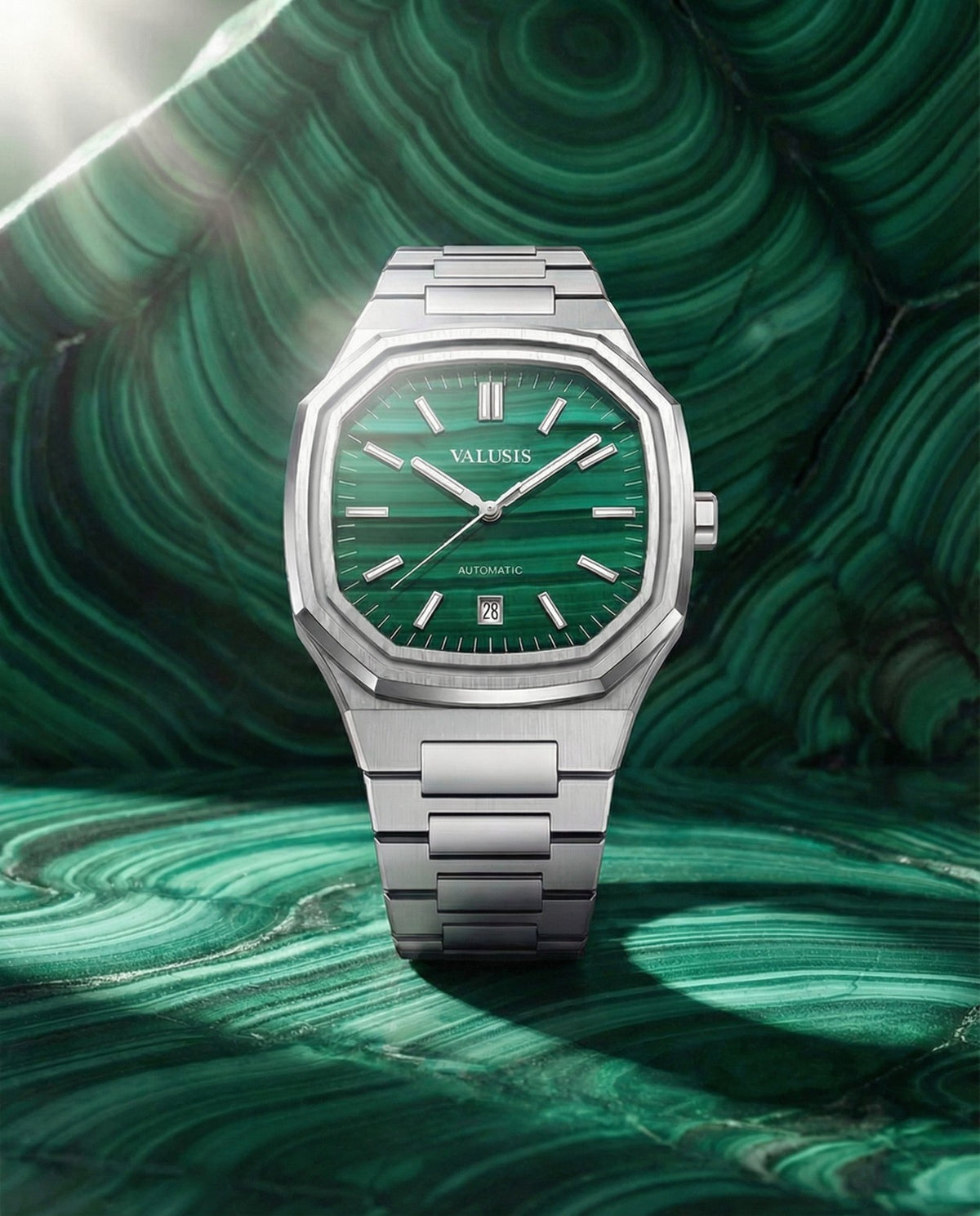
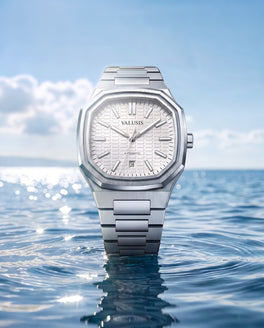
The bracelet flows directly from the case. Each link alternates brushed and polished finish. This level of detail is what separates a $300 watch from a $3,000 one.

The clasp is a push-button deployant. It sits flat on the wrist, opens clean, and doesn't scratch. It's standard on every Valusis — not an upgrade.
