





The Bracelet Is Half the Watch
EVERY LINK HAS A PURPOSE
THE BRACELET
IS HALF THE WATCH
The bracelet defines how a watch sits, moves, and ages. It's where most brands cut corners. Not here.
 EXPLORE THE COLLECTION
WHY THE BRACELET MATTERS
A cheap bracelet pinches, gaps, rattles, and oxidises within months of daily wear. You notice it every time you put the watch on. It undermines everything the dial and movement deliver.

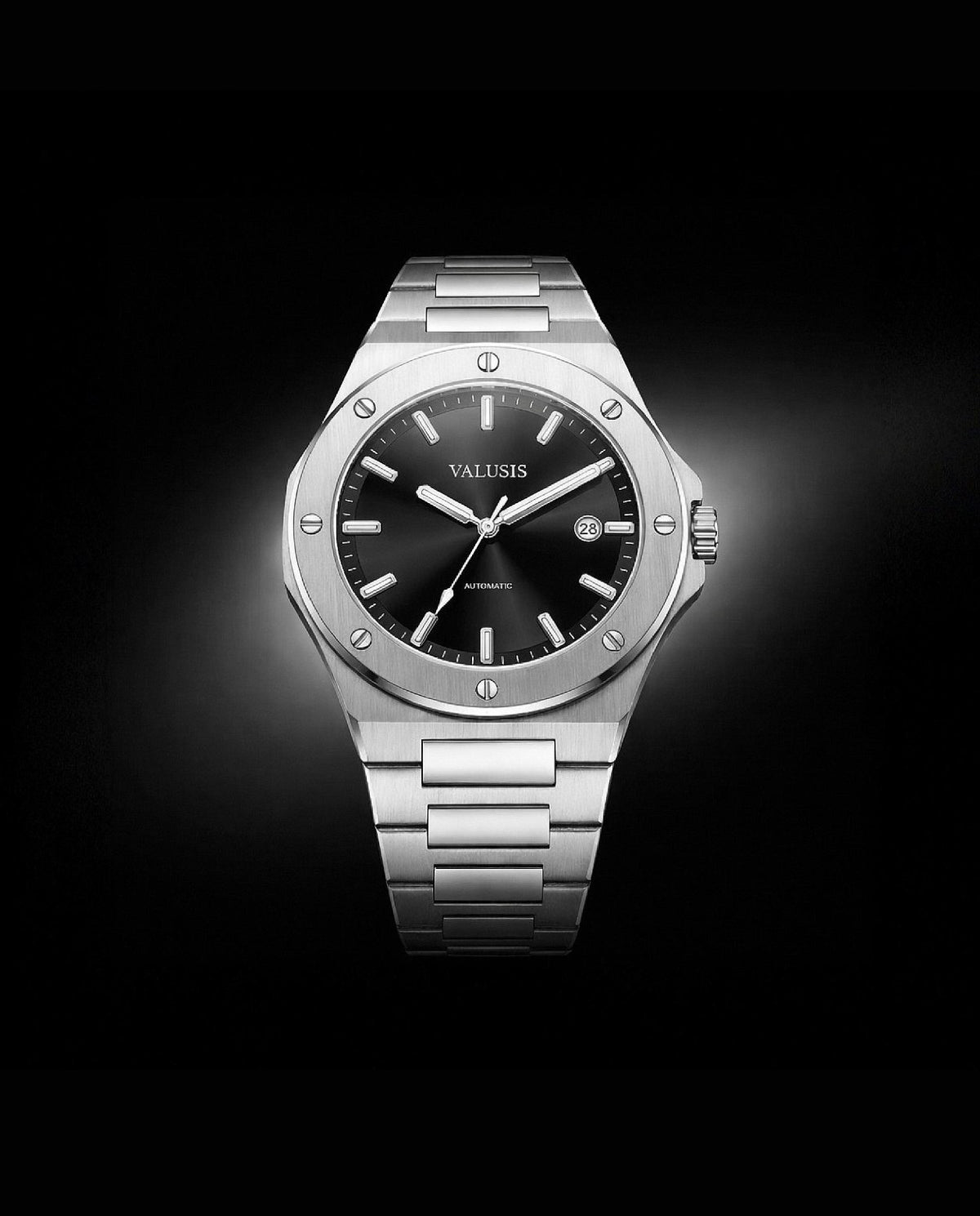
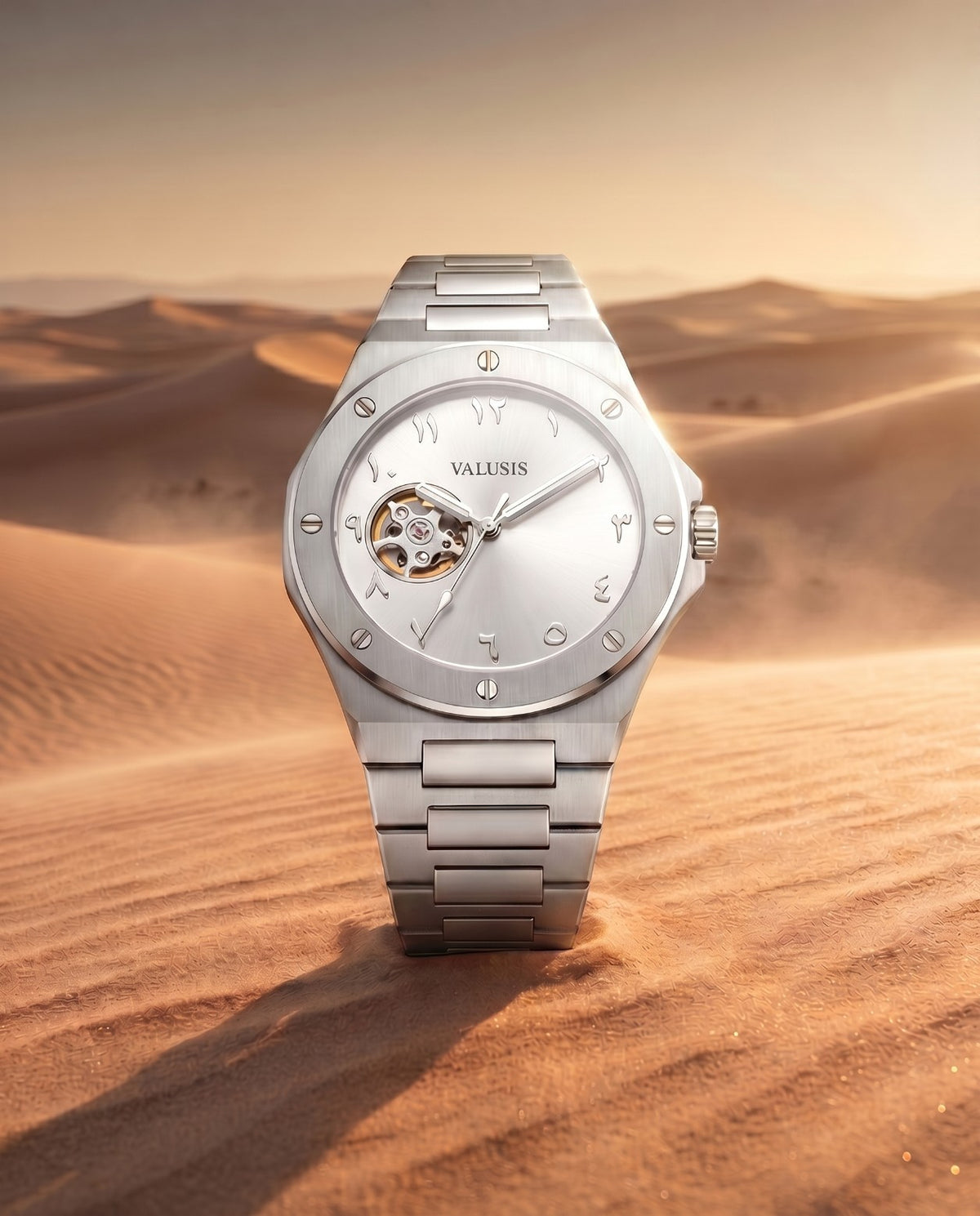
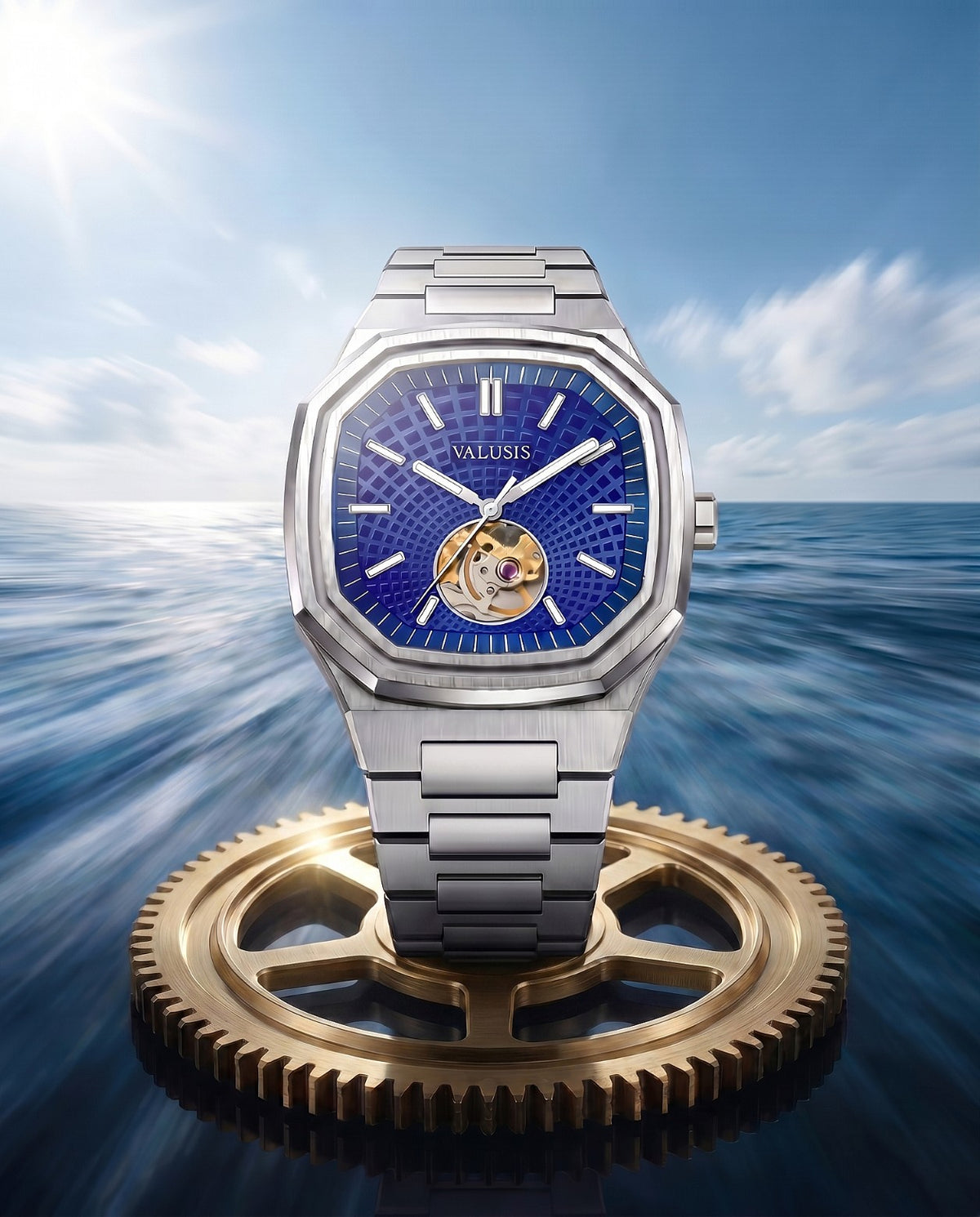
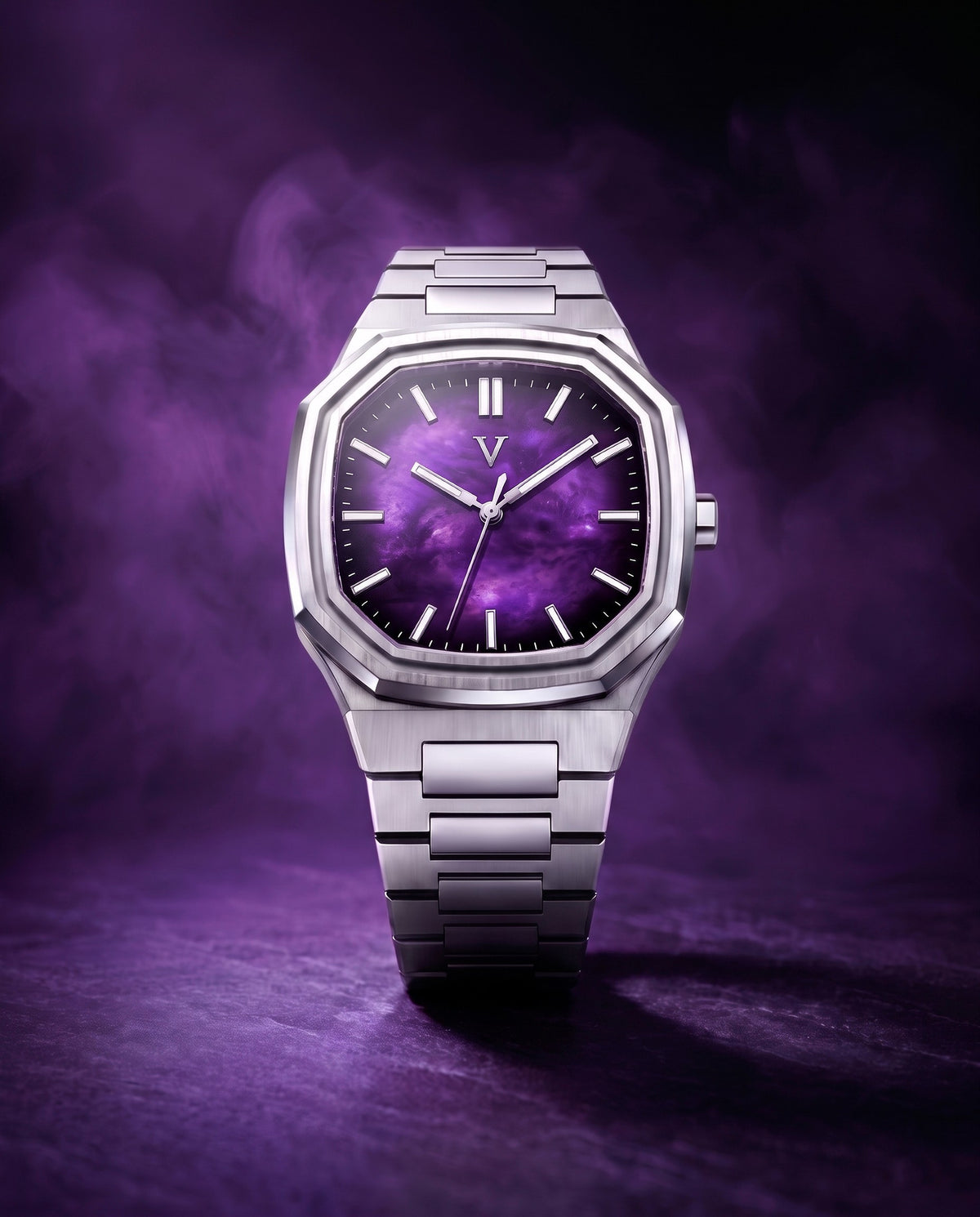
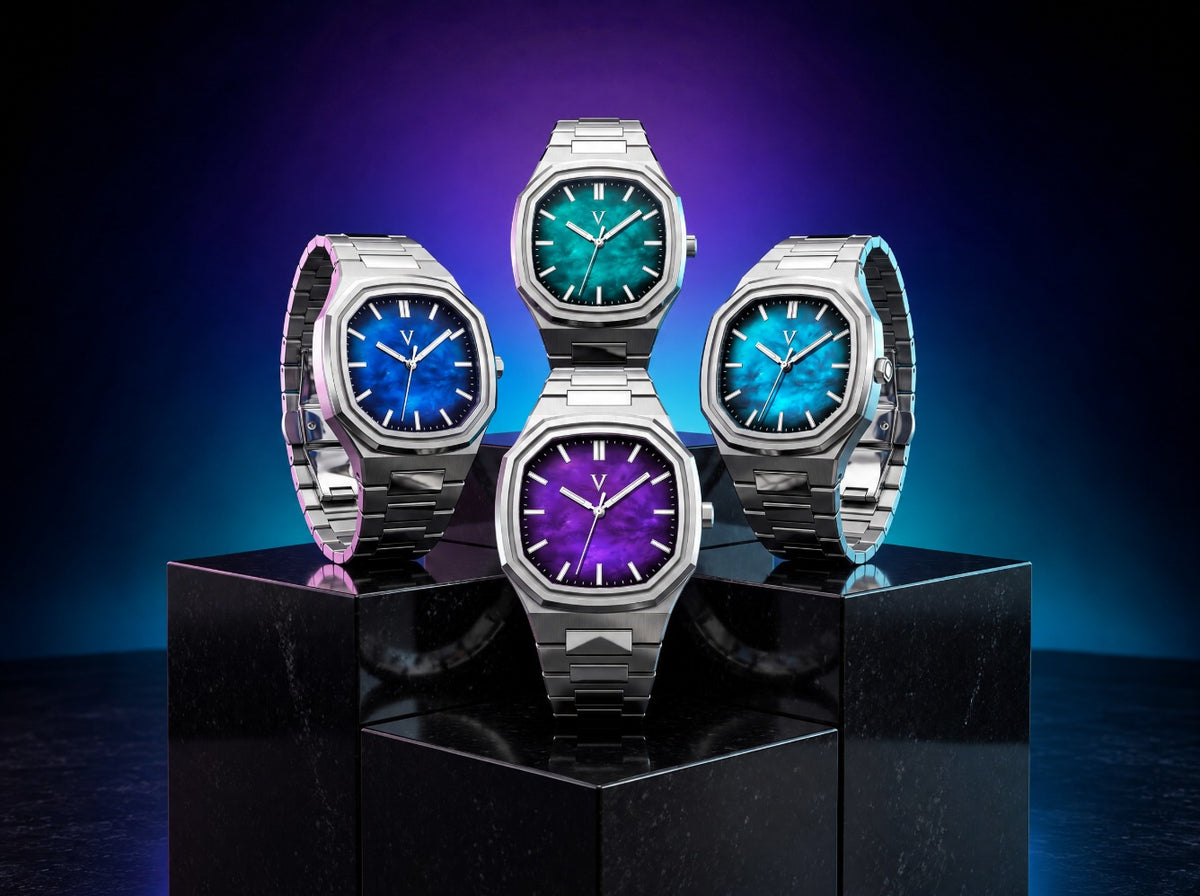
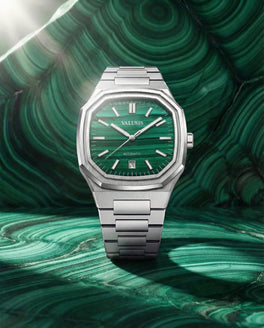
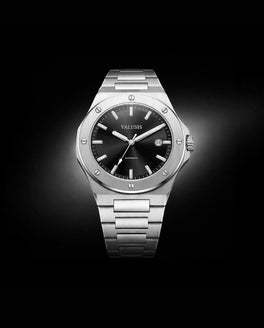
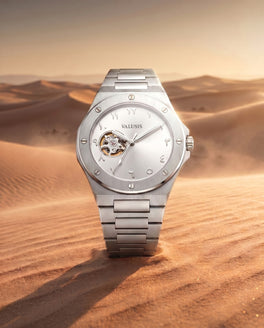
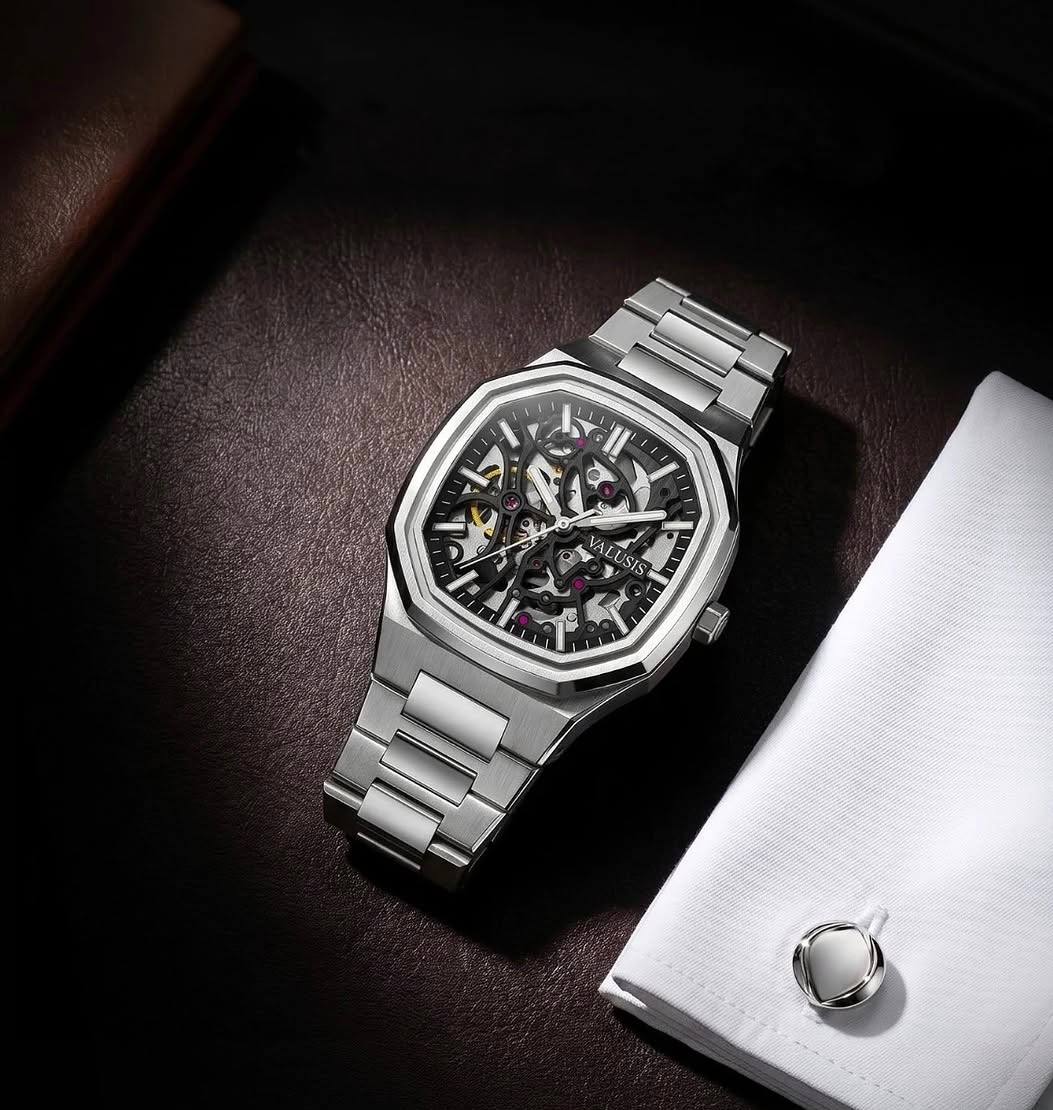
Valusis builds the bracelet with the same specification as the case — 316L surgical steel, alternating brushed and polished links. The finish is consistent across every link because each one is finished individually.

316L SURGICAL STEEL THROUGHOUT
316L isn't just a marketing claim. It's a specific alloy grade — corrosion-resistant, hypoallergenic, and capable of holding a fine polish for years. The same grade used in surgical implants.

Cheaper watches use 304-grade steel or pot-metal alloys. You can't tell immediately — but within two years, the bracelet shows it. Tarnishing, discolouration, rough edges.

THE INTEGRATED DESIGN
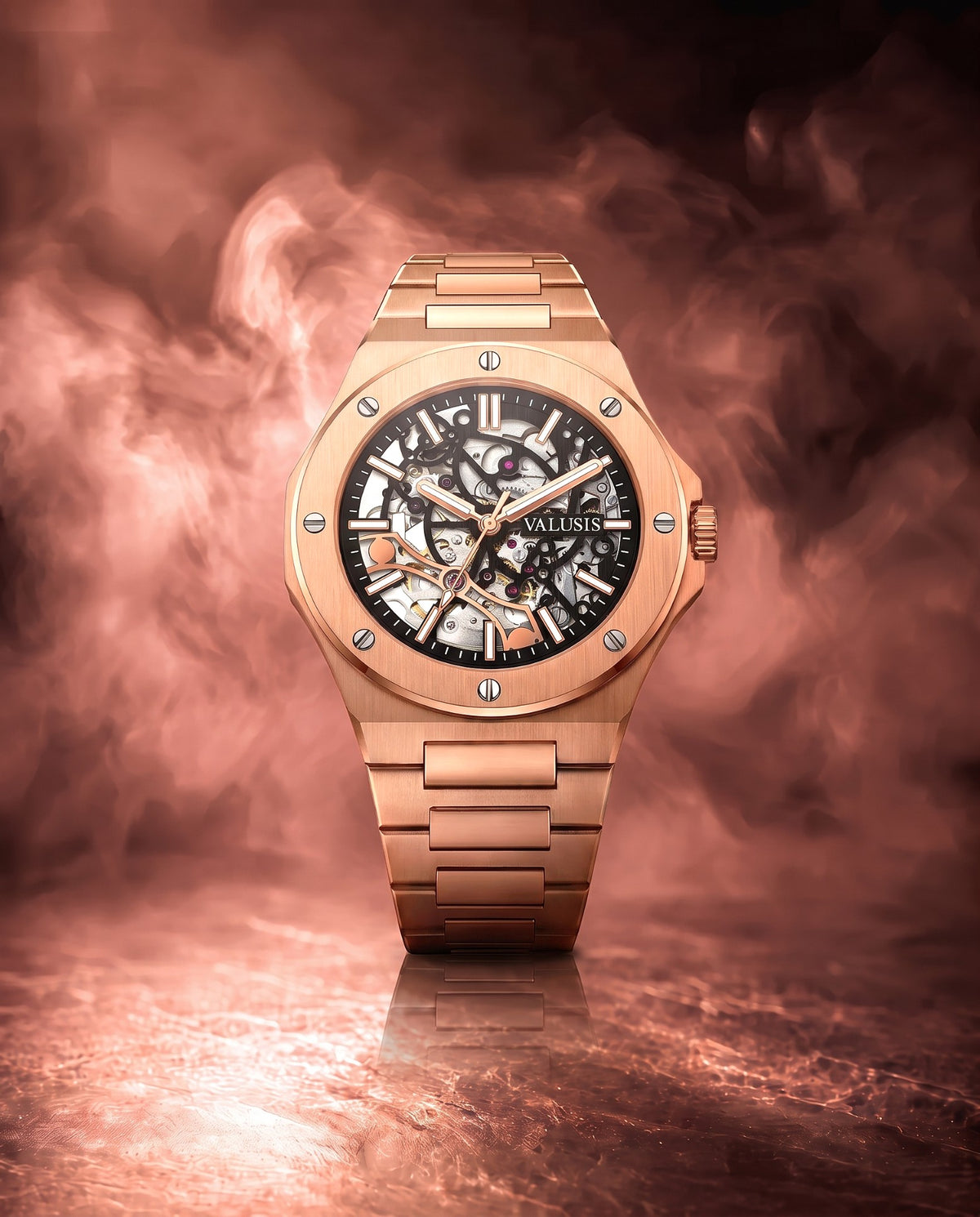
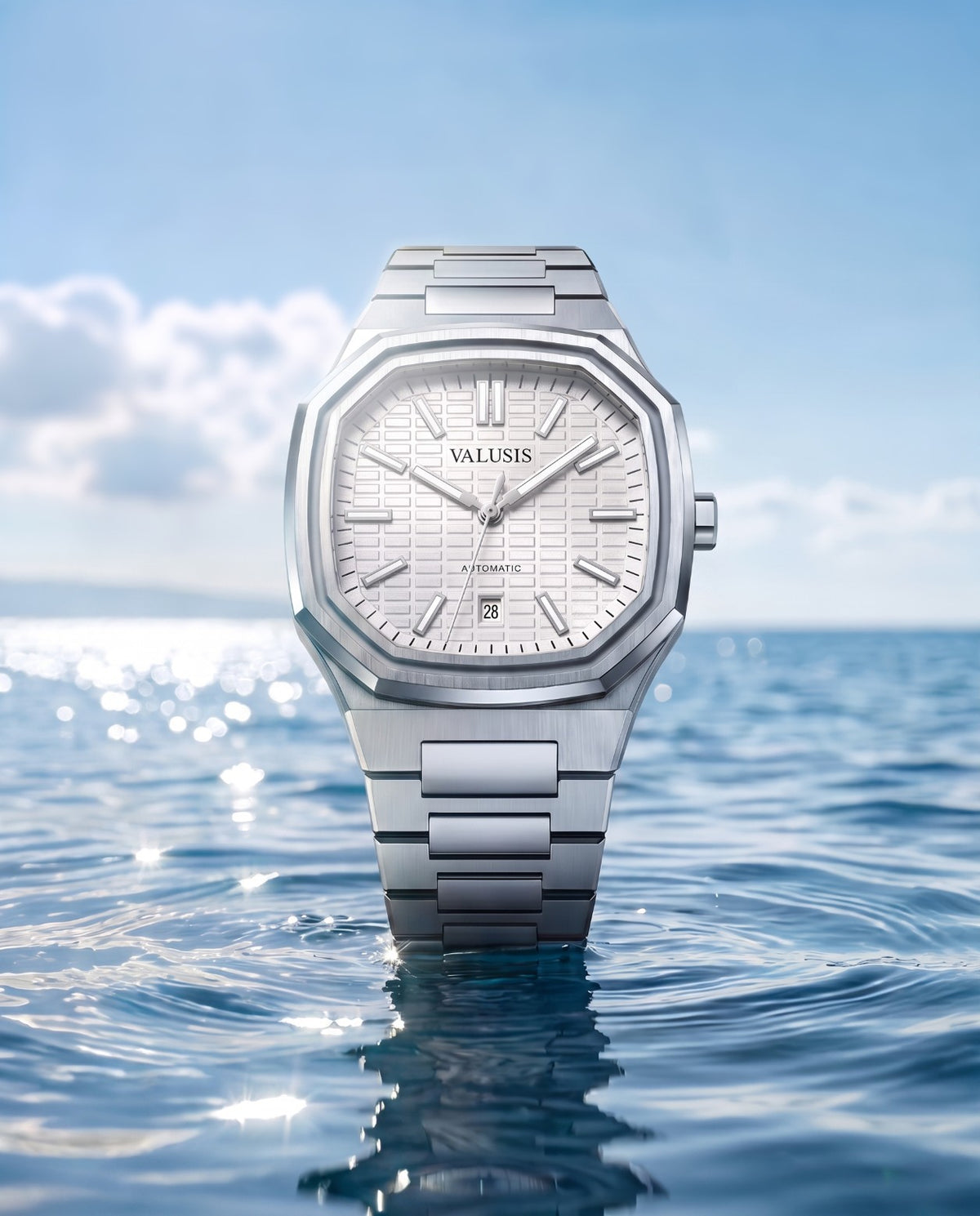
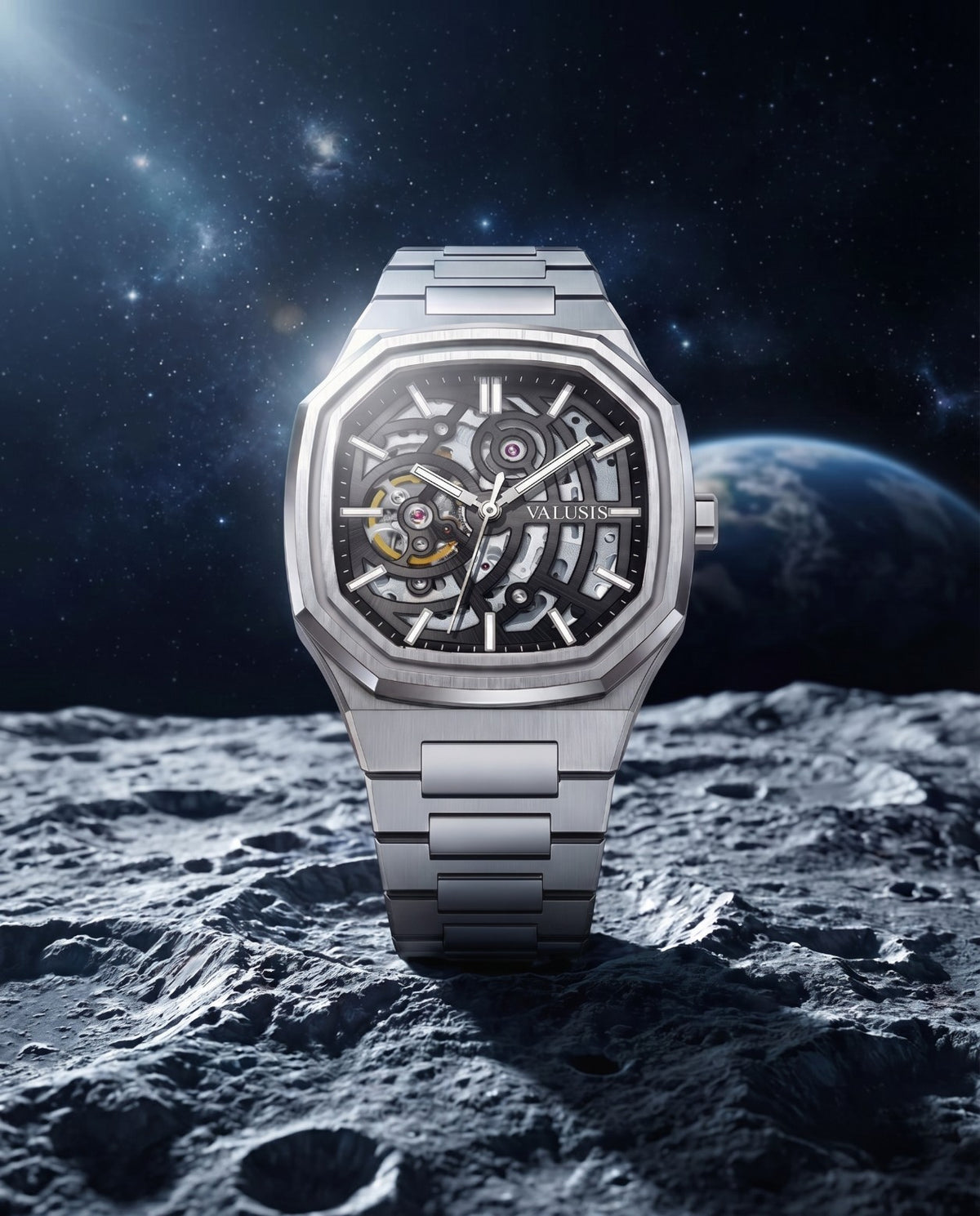
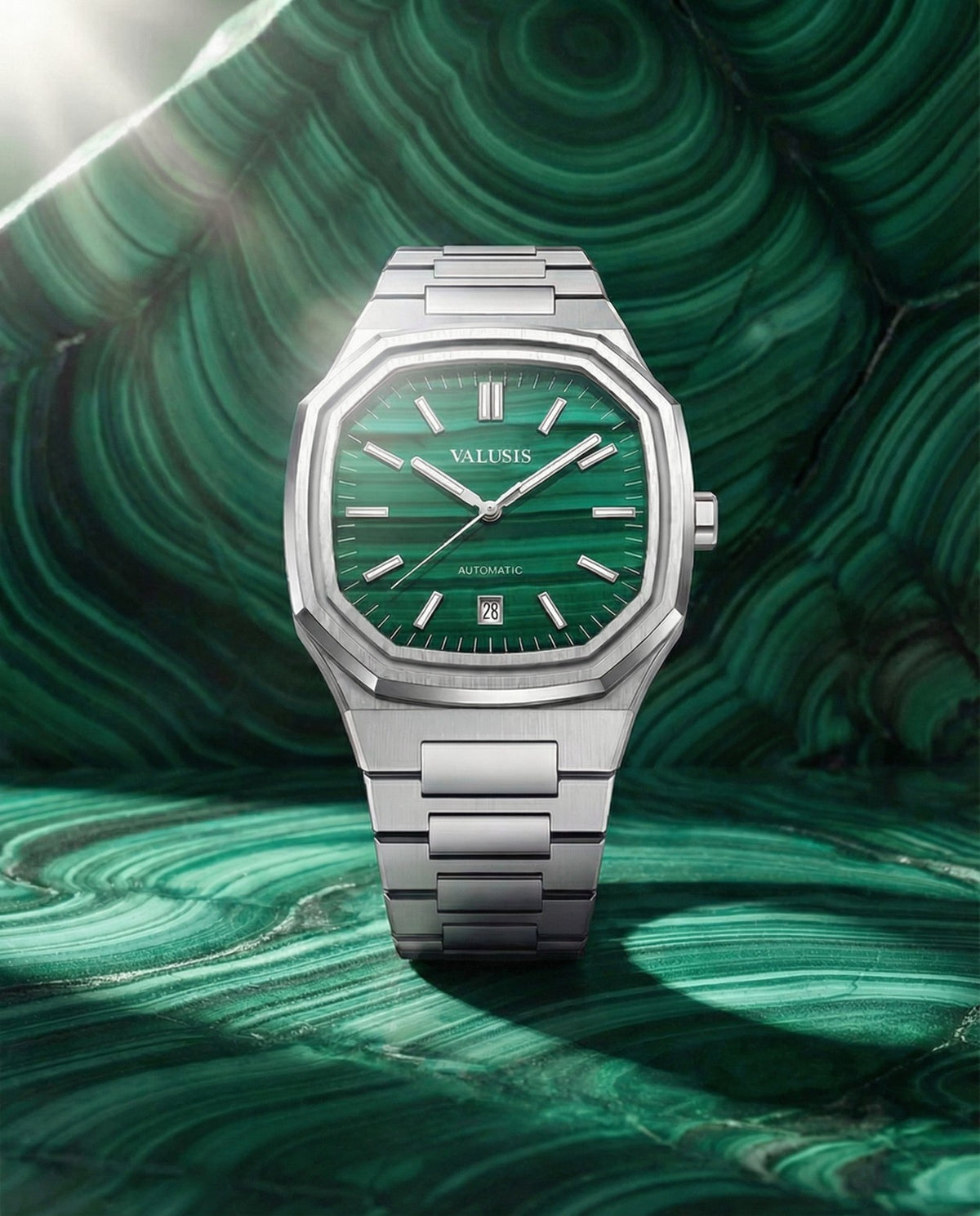
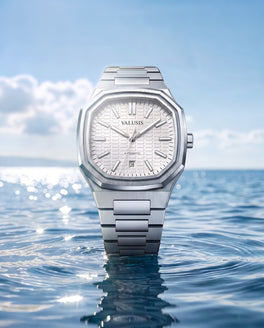
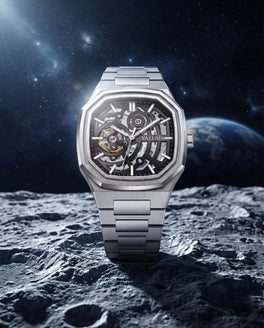
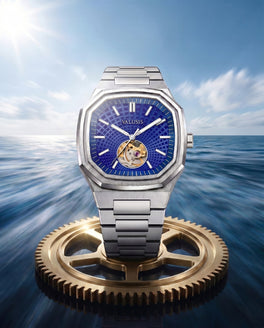
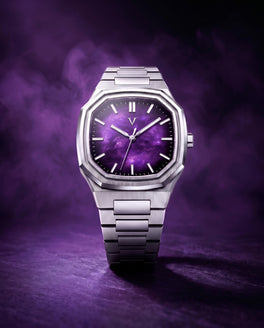
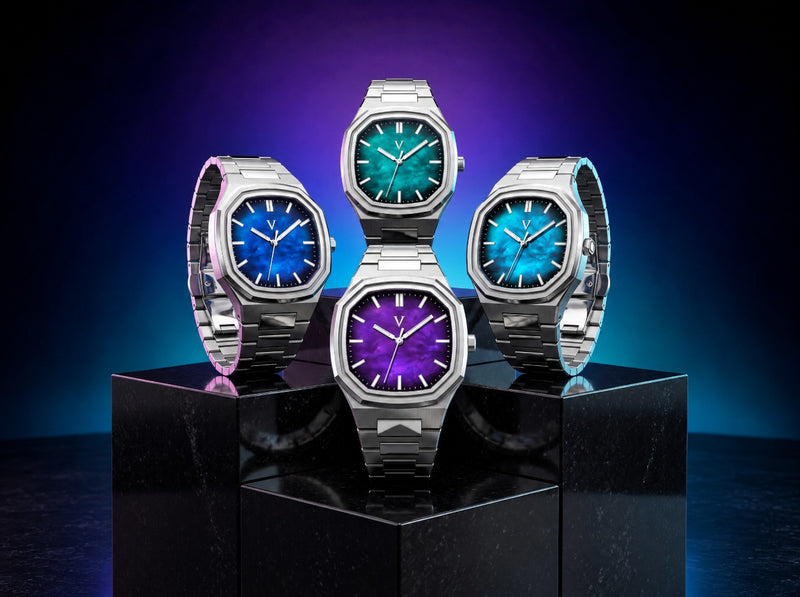
The bracelet flows directly from the case with no visible gap or transition piece. This is called an integrated bracelet — it's an expensive design choice that creates a seamless, architectural look.

Most watches at this price point use a generic strap or a bracelet that clips on. Valusis integrates the bracelet at the design stage because the watch is designed as one object, not assembled from parts.

THE CLASP
The push-button deployant clasp opens flat and sits flush against the wrist. It doesn't catch on shirt cuffs. It doesn't scratch surfaces when you set the watch down.

It's the kind of hardware that other brands offer as a premium upgrade. Valusis includes it as standard — because a watch worn comfortably every day is a watch that earns its place.
